The United Nations has condemned the violent storming of one of its agency offices in Libya’s capital, Tripoli, after people forced their way into a facility where migrants were present.
The UN office in Libya said the incident involved “severe acts of violence” and denounced what it described as repeated disturbances at a service centre operated by a UN agency on Monday morning.
The UN did not identify the agency involved. However, videos circulating on social media since Monday appeared to show people forcing their way into an International Organization for Migration facility in Tripoli, damaging furniture and ordering those inside to leave.
In a statement issued overnight from Monday to Tuesday, the United Nations said such incidents “must not be repeated.”
Libyan authorities have not publicly commented on the incident. The UN said, however, that it was aware of steps being taken by authorities to address the events and investigate the circumstances surrounding them.
Migration tensions rise in Libya
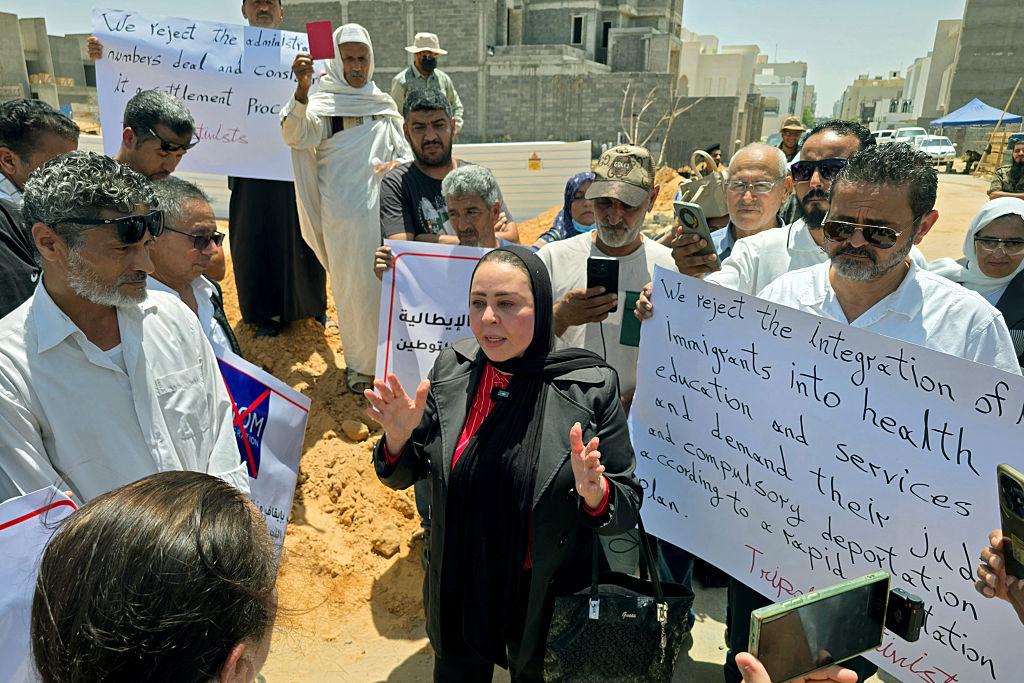
Migration and refugee issues have become increasingly contentious in Libya in recent months, amid allegations circulating locally that international organisations are seeking to permanently settle foreign nationals in the country.
Following campaigns on social media, protesters have repeatedly gathered outside offices belonging to UN agencies, particularly the International Organization for Migration and the UN refugee agency, UNHCR.
Some demonstrators have blocked entrances and demanded that the agencies close their offices and that their employees leave Libya.
Against that backdrop, the United Nations urged public debate over migration to be based on “reliable information.”
Libya has remained politically divided since the fall of longtime leader Muammar Gaddafi in 2011.
The country is split between the UN-recognised government based in Tripoli in western Libya, led by Prime Minister Abdulhamid Dbeibah, and rival authorities in the east, where military commander Khalifa Haftar and his family wield significant influence.
Years of instability have also allowed people-smuggling networks to expand, with Libya remaining one of the main departure points for migrants and refugees attempting to cross the Mediterranean to Europe.