Prices of essential food and consumer goods have surged across Sudan’s capital, Khartoum, with some commodities rising by more than 40 percent in a week as disruptions to trade with Egypt and a weakening Sudanese pound intensify the country’s economic crisis.
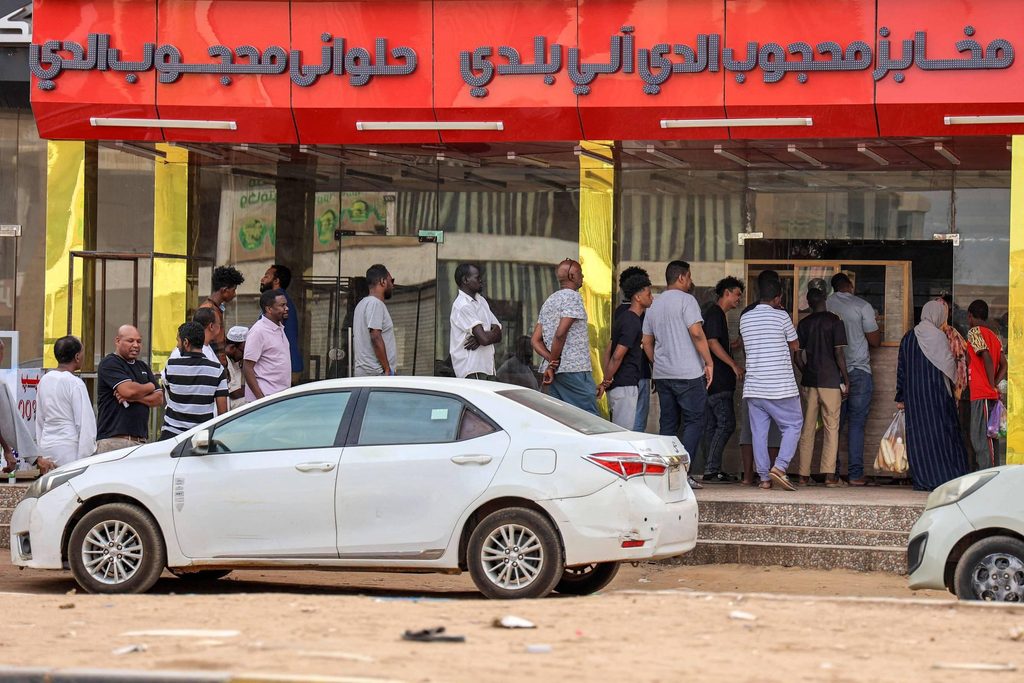
Markets in Omdurman recorded sharp price increases on Saturday, with traders adjusting prices several times within hours, according to local Sudanese media.
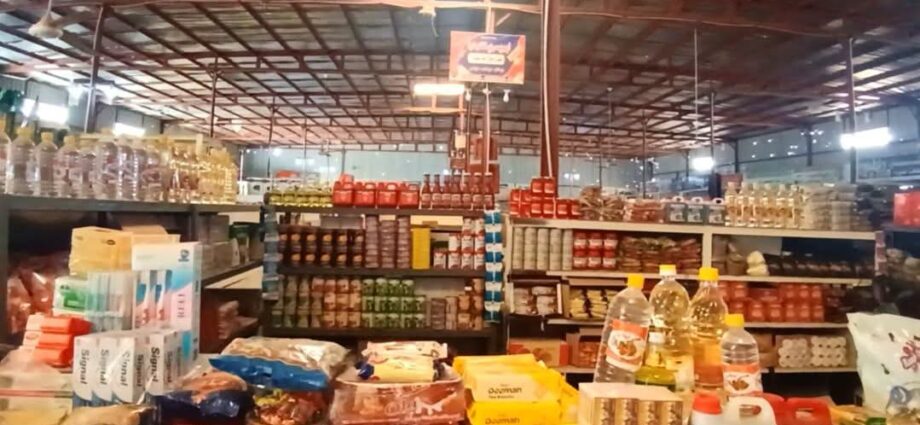
A sack of sugar climbed to 400,000 Sudanese pounds from 330,000 a week earlier, an increase of approximately 21 percent, while a container of groundnut oil jumped from 400,000 to more than 570,000 pounds.
The price of an ardeb of onions, a traditional unit of measurement, rose to 820,000 pounds from 600,000, while a 25-kilogram bag of wheat flour increased to 160,000 pounds from 125,000.
Other essential commodities also recorded steep increases. A sack of white rice reached 245,000 pounds, a pack of 40 laundry soap bars climbed to 80,000 pounds, and a sack of coffee rose to 2.1 million pounds. A sack of lentils was selling for 180,000 pounds.
Traders attributed the sharp increases partly to the suspension of Egyptian cargo shipments into Sudan following the killing of two Egyptian truck drivers and the wounding of a third in a shooting in Khartoum last week.
Egyptian authorities suspended commercial truck crossings through the Qustul border terminal on Thursday, citing security concerns. The restrictions have disrupted a major supply route for goods entering Sudan.
The latest disruption has compounded existing economic pressures, including fuel shortages, rising transportation costs and the continued depreciation of the Sudanese pound.
The local currency has weakened to around 9,000 pounds against the US dollar on the parallel market, increasing the cost of imported goods and placing further pressure on household budgets.
Residents interviewed by local Sudanese media expressed growing frustration over the escalating cost of living, saying their purchasing power had deteriorated to the point where basic necessities were becoming increasingly unaffordable.
One resident said families could no longer keep pace with the rising prices and had few options for coping with the crisis.
Residents called on the authorities to introduce urgent measures to stabilise markets and ease the financial burden on households.
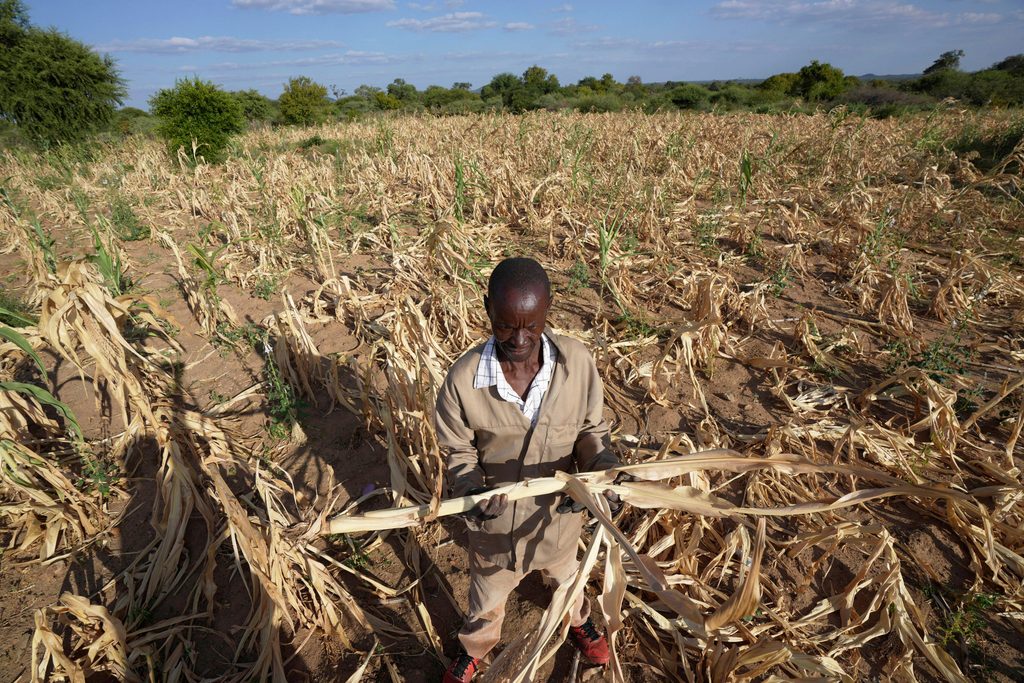
The latest price increases follow months of economic instability linked to Sudan’s continuing war, which has severely disrupted agricultural production, commercial activity and transport networks.
Sudan’s Central Bureau of Statistics reported annual inflation of 26.14 percent in August, with urban inflation reaching 38.05 percent, highlighting the mounting pressure on households already struggling with declining incomes and widespread economic disruption.