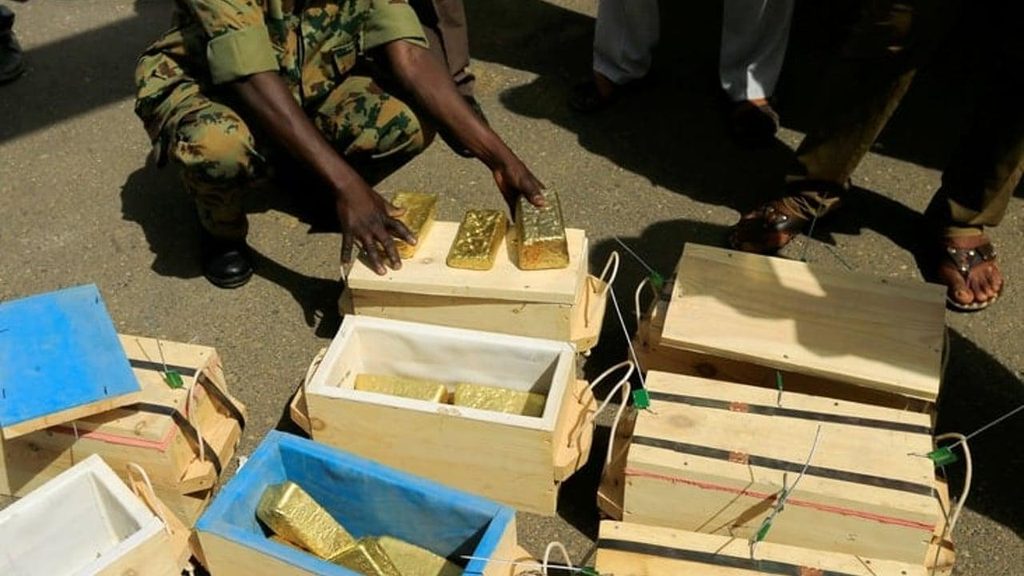
Sudan’s warring factions have developed extensive international commercial networks that convert gold, agricultural products and livestock into funds for military operations, allowing the conflict to sustain itself despite sanctions and repeated international ceasefire efforts, according to research published on Friday.
The study, released by the Arab Reform Initiative, describes a war economy in which commodities extracted or traded in Sudan move through regional markets before entering international supply chains, often obscuring their origins and the armed groups benefiting from their sale.
Researcher Alessandra Bajec argues that these arrangements have created a financial system extending beyond Sudan’s borders, linking armed factions, commercial intermediaries, foreign governments and international commodity buyers.
The research examines the economic structures supporting both the Sudanese Armed Forces (SAF) and the Rapid Support Forces (RSF), tracing their origins to the extensive commercial privileges granted to military institutions under former ruler Omar al-Bashir.
Both factions inherited financial networks spanning banking, mining, trade and telecommunications, allowing them to develop separate economic systems that continued operating after the outbreak of war in April 2023.
Gold becomes a substitute for conventional financing
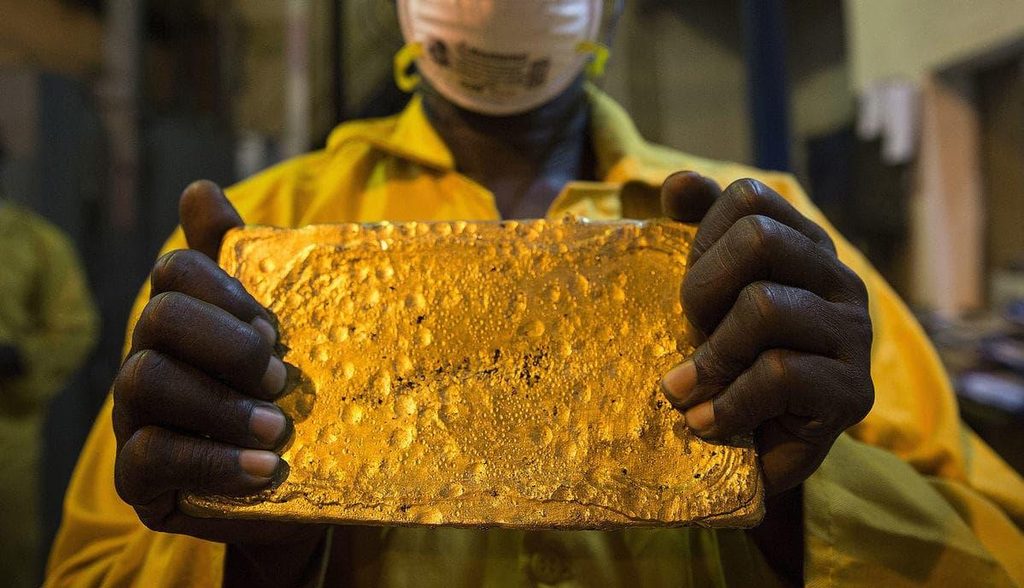
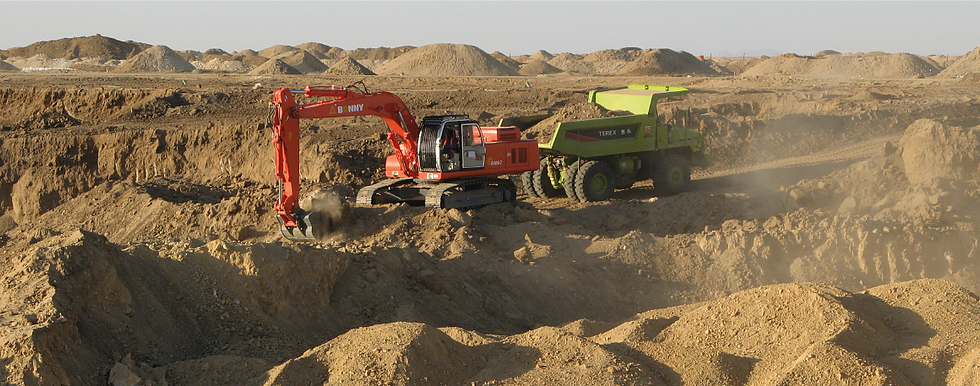
Gold remains the most important commodity in Sudan’s wartime financial system, accounting for at least 70 percent of export revenues, according to the study.
Unlike conventional banking transactions, gold can be transported, exchanged and converted into foreign currency through informal commercial channels.
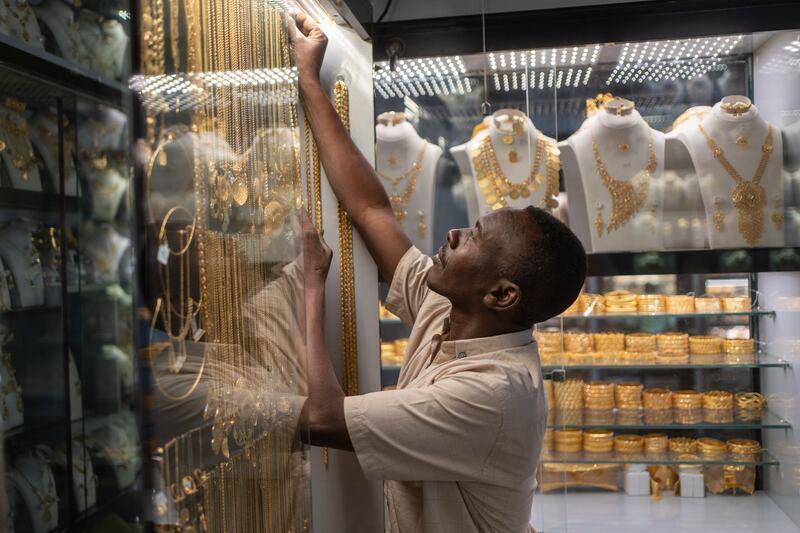
The report identifies Sudanese gold moving through Egypt, Chad, Libya and South Sudan before reaching international markets, particularly Dubai.
According to the research, gold extracted from areas controlled by rival armed factions can eventually enter the same international trading systems, making it difficult to identify which military interests benefited from individual shipments.
Once refined, the original source of the metal can become increasingly difficult to establish.
The study cites an investigation suggesting that gold linked to Sudan’s Khartoum refinery may have entered international industrial supply chains after the facility was seized in 2023. That connection was presented as an investigative finding rather than proof that any particular manufacturer knowingly purchased conflict-linked material.
Gum arabic enters global markets through opaque supply chains
The report also identifies gum arabic as a significant source of wartime income.
Sudan has historically supplied approximately 70 to 80 percent of global demand for the agricultural product, which is used in soft drinks, confectionery, pharmaceuticals and cosmetics.
Research cited in the study indicates that Sudanese gum arabic can be transported through neighbouring countries, where its origin may become difficult to trace before it is re-exported to overseas buyers.
Armed actors are alleged to benefit through informal taxation, control of transport routes and other payments imposed on traders.
The findings raise questions about whether international companies have adequate systems to identify the original source of Sudanese commodities and detect possible links to conflict financing.
Livestock trade creates another revenue channel
Livestock exports represent a further source of income for armed groups and commercial intermediaries.
Sudan has traditionally supplied cattle, sheep and other livestock to regional markets, including Saudi Arabia and Egypt.
The study describes how wartime disruption has increased the importance of informal transport routes, with armed groups allegedly collecting protection fees, imposing taxes and seizing animals along trading corridors.
These payments can generate revenues without appearing in official government budgets or conventional financial reporting.
The report also distinguishes oil infrastructure from other commodities. It finds that pipelines, pumping stations and refineries have primarily provided military leverage and access to fuel, rather than functioning as the principal source of wartime financing.
Foreign commercial networks complicate sanctions
Beyond commodity production, the study examines the international relationships that allow Sudanese armed actors to access financing, military equipment and markets.
It identifies Egypt as a major political and economic supporter of the Sudanese army, while discussing reported Turkish and Iranian military assistance and Russia’s strategic interests on Sudan’s Red Sea coast.
The research also describes allegations of financial and logistical assistance to the RSF through networks associated with the United Arab Emirates, alongside commercial and transit routes through neighbouring states.
The UAE has repeatedly denied providing military support to the RSF.
The study argues that existing sanctions have struggled to address the intermediaries linking commodity producers, international buyers, transport companies and financial networks.
Rather than relying exclusively on restrictions against military commanders, the author calls for greater scrutiny of gold dealers, commodity traders, logistics companies and other commercial entities potentially involved in sustaining military operations.
It also recommends stronger commodity-tracing requirements, coordinated customs enforcement and financial investigations capable of identifying companies that benefit from conflict-related trade.
The research concludes that diplomatic agreements alone are unlikely to produce lasting peace unless the commercial arrangements that make continued fighting financially sustainable are also addressed.