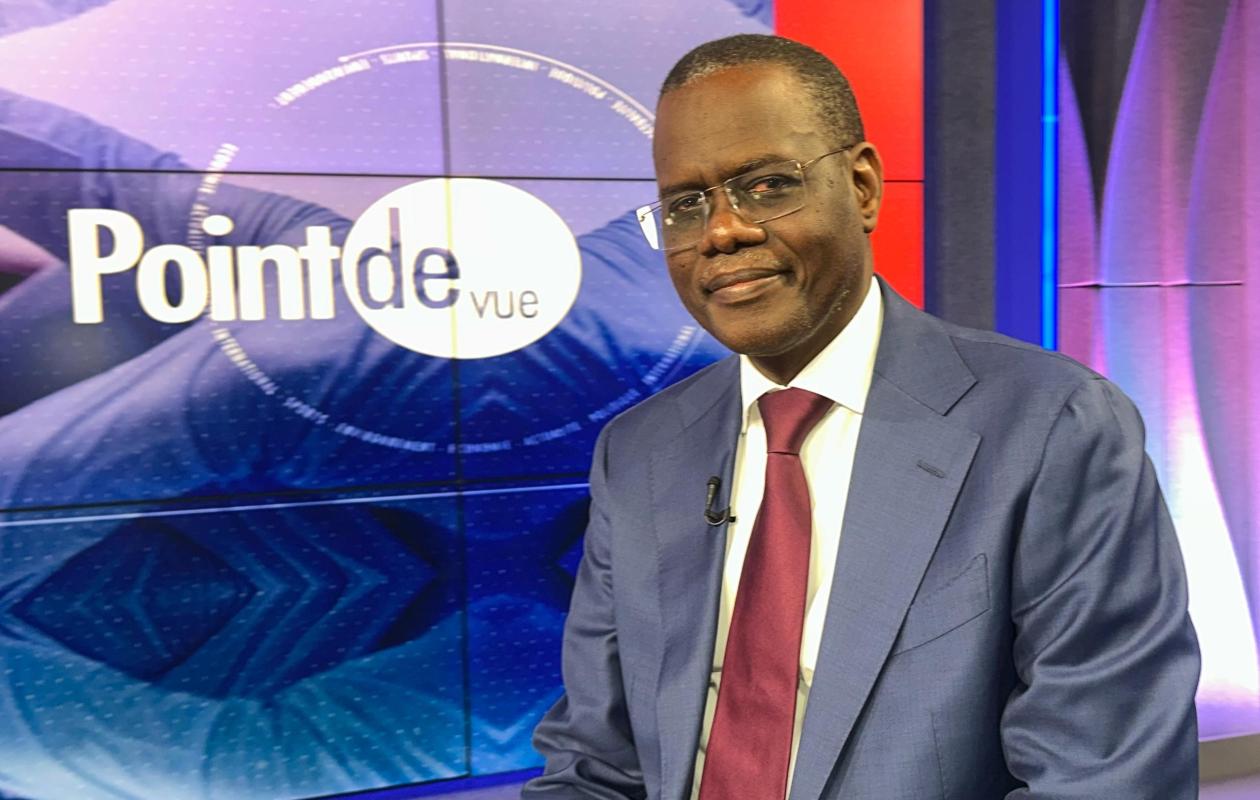
Senegal must clear around $3.5 billion in payment arrears as part of a wider effort to stabilise its public finances, Prime Minister Ahmadou Al Aminou Lo said on Tuesday.
Lo told lawmakers that outstanding arrears had reached 1.956 trillion CFA francs, or roughly $3.5 billion, as of March 2025. He warned that the accumulated obligations could weigh on economic activity and put jobs at risk if they are not addressed.
The government is trying to repair public finances after previously undisclosed debt under the former administration led the International Monetary Fund to suspend an earlier lending programme in 2024.
Senegal and the IMF announced last week that they had reached a staff-level agreement on a new $2.2 billion programme covering three years.
Lo said Dakar does not intend to carry out a conventional debt restructuring. Instead, the government plans to pursue what it describes as debt “reprofiling.”
Under that approach, Senegal would seek to extend repayment periods and renegotiate borrowing costs rather than reduce the face value of its obligations.
“Reprofiling involves extending maturities and renegotiating interest rates,” Lo said.
The prime minister also said the government is renegotiating around 30 mining agreements as part of broader efforts to strengthen state finances and improve the terms of contracts in the extractive sector.
Senegal’s Economy and Finance Ministry said last week that authorities had agreed to an “enhanced common framework” aimed at restoring debt sustainability. It said debt denominated in CFA francs would be excluded from the planned adjustments.
However, the government has so far provided limited details about what the enhanced framework will involve.
The existing G20 Common Framework was established during the COVID-19 pandemic to coordinate debt treatments involving traditional Paris Club creditors as well as major newer lenders, including China.
The mechanism was designed to streamline negotiations and ensure creditors receive broadly comparable treatment, but it has faced criticism over slow negotiations and uncertainty surrounding outcomes.
Although Senegal insists its plan does not amount to a restructuring, maturity extensions and reductions in interest rates can still be viewed by investors as restructuring measures because they change the original terms of the debt.
The government is now under pressure to reduce its arrears, restore confidence among lenders and investors, and prevent fiscal tightening from further slowing economic activity.