Residents of Um Dafuq locality in Sudan’s South Darfur state have expressed mixed reactions to a decision by the Rapid Support Forces (RSF) to restrict the movement of grain outside the locality, amid concerns over food availability, market prices and farmers’ livelihoods.
Residents told Darfur24 that the RSF had informed vehicle owners of the restrictions, prompting objections from agricultural producers and traders who fear the measure will limit their access to external markets and reduce their earnings.
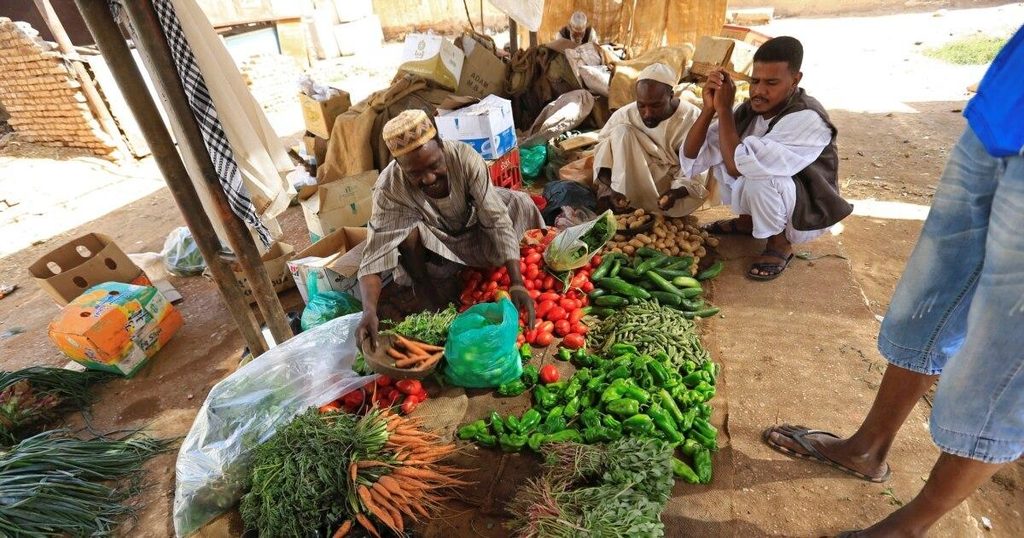
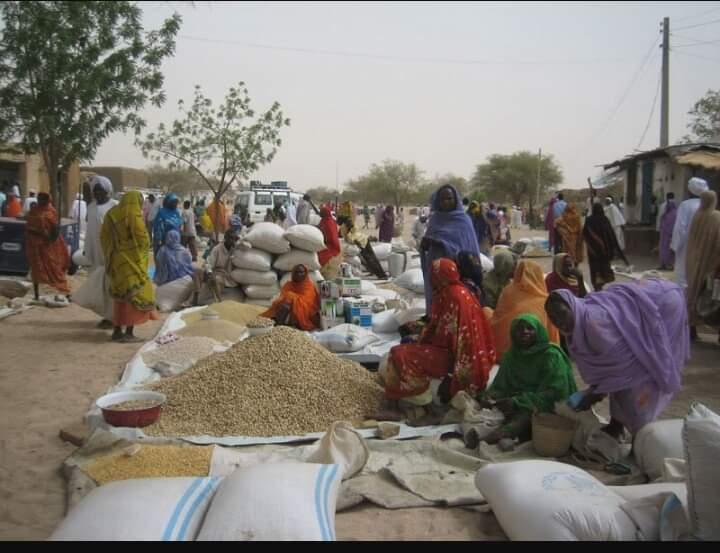
Farmers said grain prices, particularly those of millet, remained low despite the rising cost of other essential food commodities, creating financial difficulties for agricultural producers.
They argued that access to wider markets would allow them to secure better prices for their harvests and offset the increasing cost of living.
Other residents, however, welcomed the restrictions, expressing concern that the movement of large quantities of grain outside the locality could lead to shortages in local markets and drive up food prices.
Supporters of the measure fear that declining grain supplies could further undermine food security and place additional pressure on households already struggling with difficult economic conditions.
Sources told Darfur24 that RSF personnel had detained four trucks carrying millet outside the locality before releasing them after imposing fines of 500,000 Sudanese pounds on each vehicle. The trucks were reportedly allowed to retain their cargo.
One truck owner said drivers had been required to pay the fines before being released and were warned against transporting grain outside the locality again.
Um Dafuq is an important border locality in South Darfur, situated near the Central African Republic and regional trade routes connecting southwestern Sudan with neighbouring countries.
Agriculture and cross-border commerce are important sources of income for local communities, making restrictions on the movement of agricultural commodities particularly significant for farmers, traders and consumers.
The dispute highlights the challenges of balancing food security with the economic interests of agricultural producers amid Sudan’s ongoing war and worsening humanitarian crisis.
No official explanation from the RSF regarding the restrictions was included in the report.