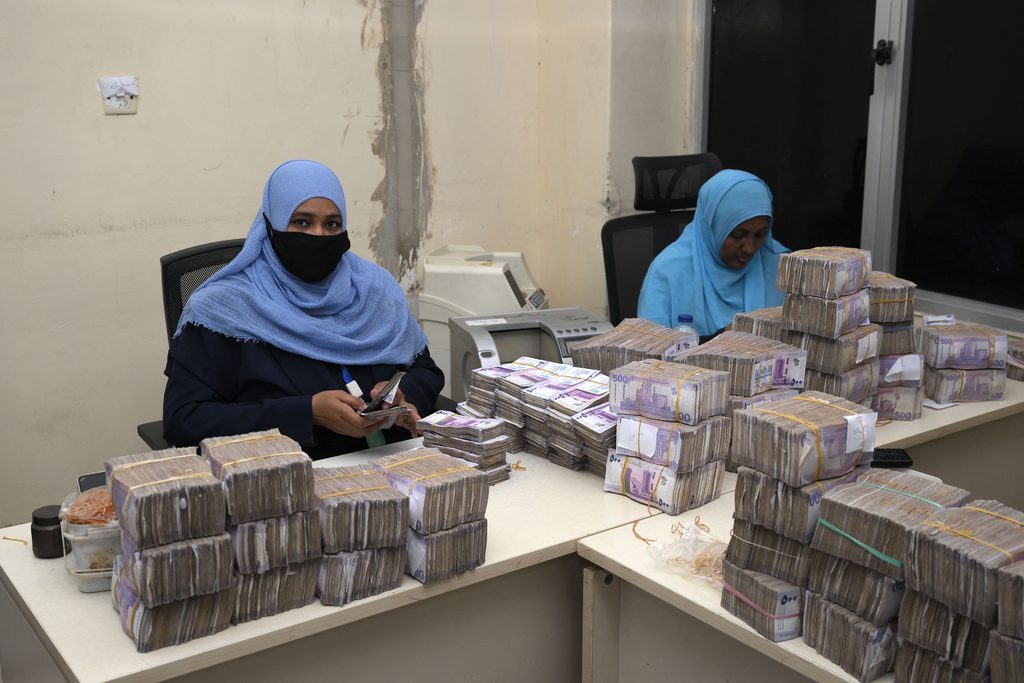
A United Nations assessment has revealed the scale of Sudan’s worsening economic and humanitarian crisis, with 98% of surveyed households reporting rising prices for essential goods and millions struggling to access food, healthcare, education and clean water.
The International Organization for Migration (IOM) said 68% of households face unmet livelihood needs, highlighting the growing financial pressure on families as the country’s war continues to devastate incomes, infrastructure and basic services.
The findings were published on November 9 as part of the IOM’s 2026 Multisectoral Needs Assessment, conducted through its Displacement Tracking Matrix (DTM).
The survey covered 23,736 households, including displaced families, returnees and people who remained in their communities. Interviews were conducted between July 23 and August 17 across 185 localities in Sudan’s 18 states.
Families exhaust savings as living costs surge
The assessment found that 68% of households had resorted to crisis-level coping strategies to survive deteriorating economic conditions.
These included spending their savings, borrowing money, selling productive assets and cutting essential household expenditure.
Nearly all respondents, or 98%, reported increases in the prices of basic commodities, underscoring the widespread impact of inflation and declining purchasing power.
The findings come amid severe economic disruption caused by Sudan’s prolonged conflict, which has damaged agricultural production, disrupted trade routes and reduced employment opportunities.
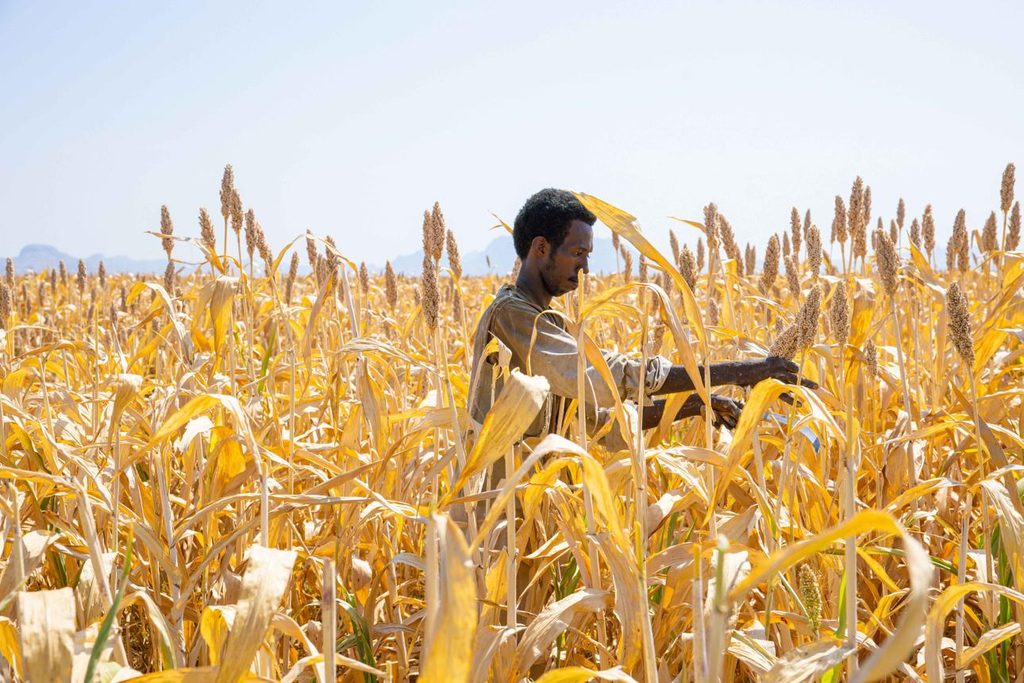
Food insecurity remains a major concern, with 31% of surveyed households reporting inadequate or borderline food consumption.
Of those assessed, 23% recorded borderline food consumption scores, while another 8% fell into the poor consumption category.
The figures suggest that a substantial proportion of Sudanese families are struggling to maintain regular access to sufficient and nutritious food.
Displaced families face worsening water shortages
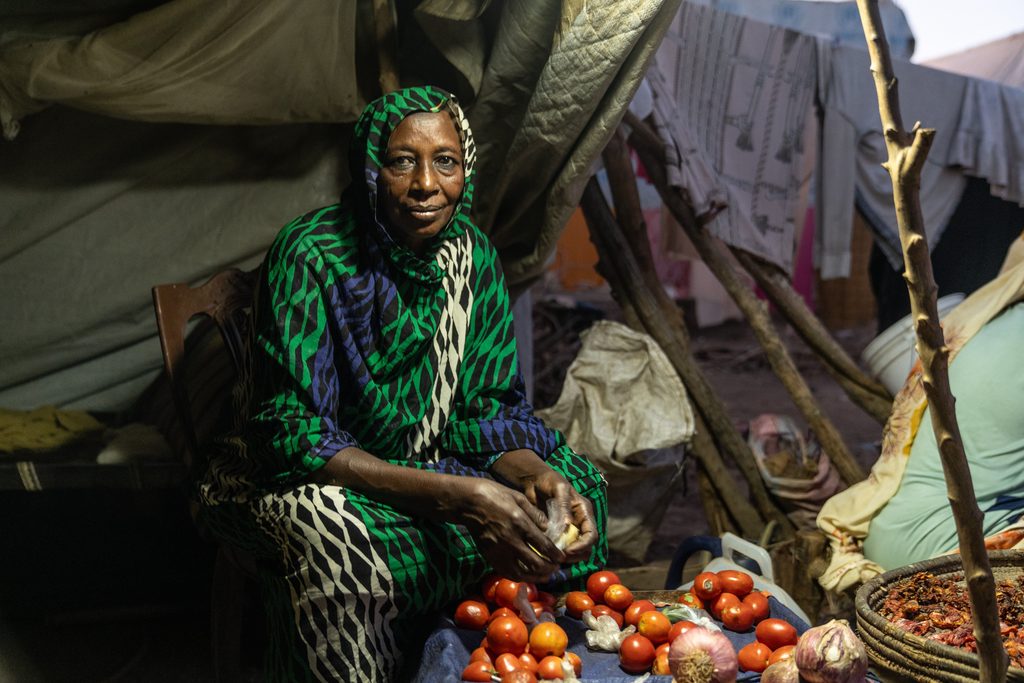
Access to clean water emerged as the second most widespread unmet need identified by the assessment.
According to the IOM, 59% of households reported unmet water-related needs, while 30% said accessing water presented a direct challenge.
Conditions were particularly severe among internally displaced families, 79% of whom reported unmet water needs, compared with 56% of households that had remained in their original communities.
The disparity highlights the additional pressures facing displaced populations, many of whom have been forced to settle in areas with inadequate infrastructure and limited public services.
Nearly half of families report education disruption
Sudan’s education sector has also been severely affected by the conflict.
The assessment found that 42% of households had unmet education needs.
Among families with children aged between five and 18, 45% reported that their children had not attended formal education during the 2025–2026 academic year.
The findings illustrate the continuing disruption to schooling across the country, where educational institutions have been affected by insecurity, displacement and shortages of essential resources.
Financial hardship has further limited families’ ability to cover transport, school supplies and other educational expenses.
Healthcare increasingly beyond reach
Access to medical treatment remains another major challenge.
The IOM found that 38% of households requiring medical services during the three months preceding the assessment were unable to obtain the necessary care.
Displaced households faced the greatest difficulties, with 48% reporting that their healthcare needs had gone unmet.
The figure stood at 37% among non-displaced households and 31% among returnees.
The findings point to significant inequalities in healthcare access, particularly for families uprooted by fighting and living far from functioning medical facilities.
Displaced households bear the heaviest burden
The assessment also identified widespread shortages of adequate shelter and protection services.
Some 38% of households reported unmet shelter needs, while 37% faced protection-related concerns.
Among displaced families, unmet protection needs reached 60%, compared with 33% among non-displaced households.
The disparities extended to economic survival.
Unmet livelihood needs affected 83% of displaced households, compared with 66% of families that had not been forced to leave their homes.
Across nearly every sector examined, displaced populations reported greater difficulties accessing essential services and maintaining basic living standards.
Survey highlights nationwide humanitarian pressures
The IOM said the assessment underwent field-level verification and checks to ensure geographical coverage and consistency of the information collected.
It cautioned that the findings were representative at the level of the localities surveyed and that figures for smaller geographical areas should not be treated as definitive estimates.
Three localities in South Kordofan — Al-Buram, Heiban and Um Durein — were excluded because security and administrative restrictions prevented interviews from taking place.
The findings provide a broad picture of the pressures facing Sudanese households, as economic deterioration, displacement and the collapse of essential services continue to compound the humanitarian consequences of the war.
For millions of families, the assessment indicates that securing food, clean water, healthcare and education has become an increasingly difficult daily struggle.