Egypt has formally made its designation of the Muslim Brotherhood as a terrorist organisation permanent, replacing a temporary listing with a classification backed by final judicial rulings, more than a decade after the group was outlawed.
The decision, published in Egypt’s official legal gazette on November 8, follows an April 2026 ruling by the country’s Court of Cassation, its highest appeals court, effectively cementing the organisation’s status under Egyptian counterterrorism legislation.
According to the Egyptian Public Prosecution, the measure replaces a temporary designation issued in December 2022 and establishes a new legal basis for maintaining the Brotherhood on the country’s list of terrorist entities.
The decision also permanently places three individuals on Egypt’s separate list of terrorists following final criminal convictions.
A decade-long crackdown
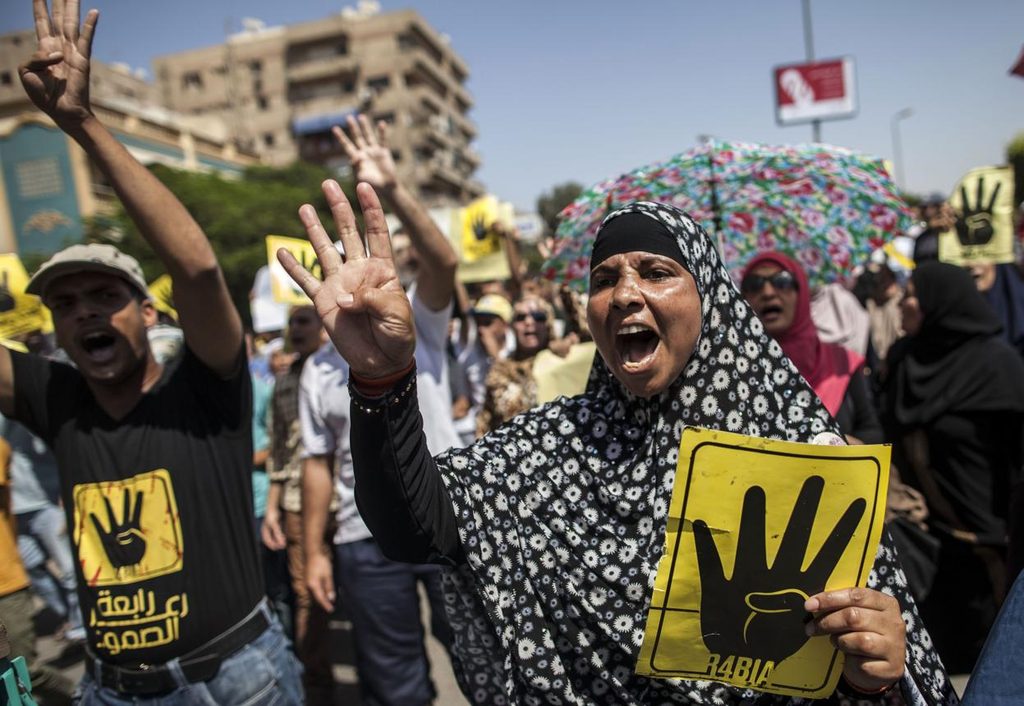
The Muslim Brotherhood, founded in Egypt in 1928, has faced sustained government repression since the military removed President Mohamed Morsi from power in July 2013 following mass protests against his administration.
Morsi, a senior Brotherhood figure, became Egypt’s first democratically elected president in 2012. His removal triggered a sweeping crackdown on the organisation, including mass arrests, asset seizures and the closure of affiliated institutions.
In December 2013, Egyptian authorities declared the Brotherhood a terrorist organisation and prohibited its activities.
A subsequent law introduced in 2015 established a judicial framework for identifying terrorist organisations and individuals, allowing courts to impose restrictions on their operations, financing and assets.
The latest designation stems from a Cairo Criminal Court judgment issued in May 2023 and upheld by the Court of Cassation on April 2, 2026.
Unlike earlier temporary listings, the new classification is based on final criminal judgments.
Financial and political consequences
The permanent designation reinforces existing restrictions on the Brotherhood’s activities inside Egypt, including prohibitions on organising meetings, raising funds and operating affiliated premises.
Authorities can also freeze assets associated with designated terrorist entities under Egypt’s counterterrorism legislation.
Individuals separately placed on terrorist lists face additional restrictions, potentially including travel bans, passport cancellations, asset freezes and limitations on holding public office.
However, the organisation’s designation does not automatically classify every member or supporter as an individually listed terrorist.
The measures further narrow the Brotherhood’s ability to re-establish an organised political presence in Egypt, where its remaining networks have operated under intense security pressure.
Regional and international implications
The decision comes amid growing international scrutiny of Muslim Brotherhood organisations and their financial networks.
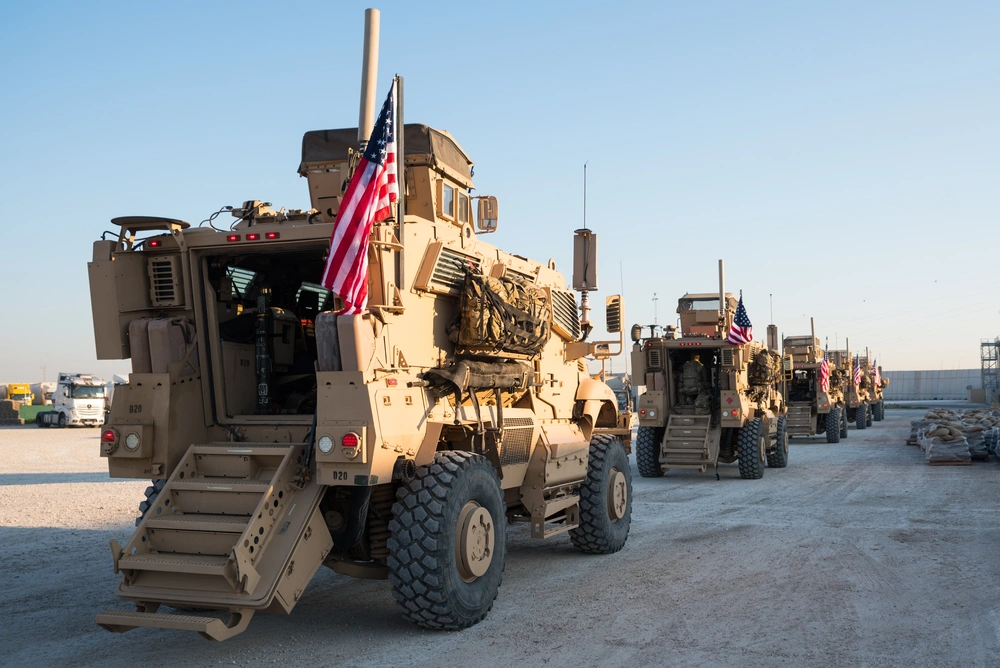
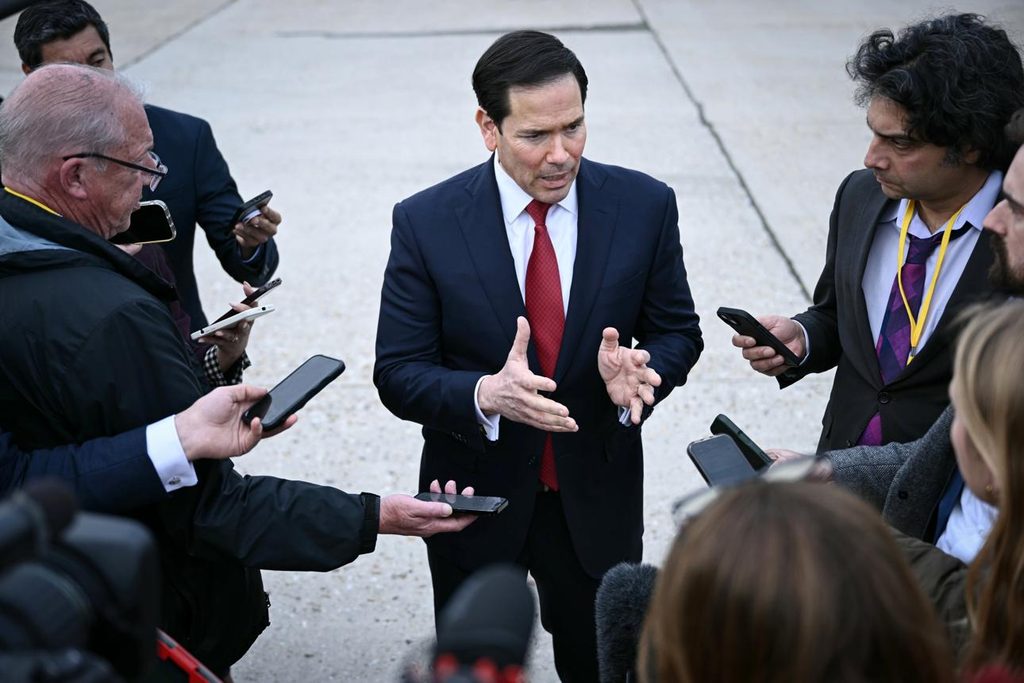
In January 2026, the United States designated the Egyptian and Jordanian branches of the Muslim Brotherhood as Specially Designated Global Terrorists, accusing them of providing material support to Hamas.
Washington subsequently expanded sanctions targeting individuals and organisations allegedly involved in financing Hamas through Brotherhood-linked networks.
Egypt’s latest judicial action could strengthen Cairo’s efforts to pursue financial investigations and seek international cooperation against individuals linked to the organisation.
However, any extradition requests or attempts to freeze assets overseas would remain subject to the laws and judicial procedures of the countries involved.
The Brotherhood has historically maintained networks outside Egypt, including in Turkey and the United Kingdom, while divisions between rival leadership factions have complicated its attempts to rebuild a unified political movement.
Political reconciliation increasingly unlikely
The designation further reduces the prospect of the Brotherhood returning to Egyptian political life under its existing organisational structure.
Egyptian authorities have consistently defended their campaign against the movement as necessary to protect national security and prevent political violence.
Human rights organisations, however, have criticised Egypt’s extensive use of terrorism legislation against political opponents, journalists and civil society activists.
Human Rights Watch has repeatedly accused Egyptian authorities of employing terrorism-related charges to suppress peaceful dissent and restrict fundamental freedoms.
Although the Brotherhood was already prohibited from operating legally in Egypt, the latest ruling marks another significant development in the government’s long-running campaign against the organisation.
With its designation now grounded in final court judgments, the movement faces an increasingly entrenched legal and political exclusion from the country where it was founded nearly a century ago.