Iran has sent its response to a U.S. proposal aimed at launching peace talks to end the ongoing war, Iranian state media reported Sunday, while two vessels were allowed to transit the heavily contested Strait of Hormuz amid continued regional tensions.
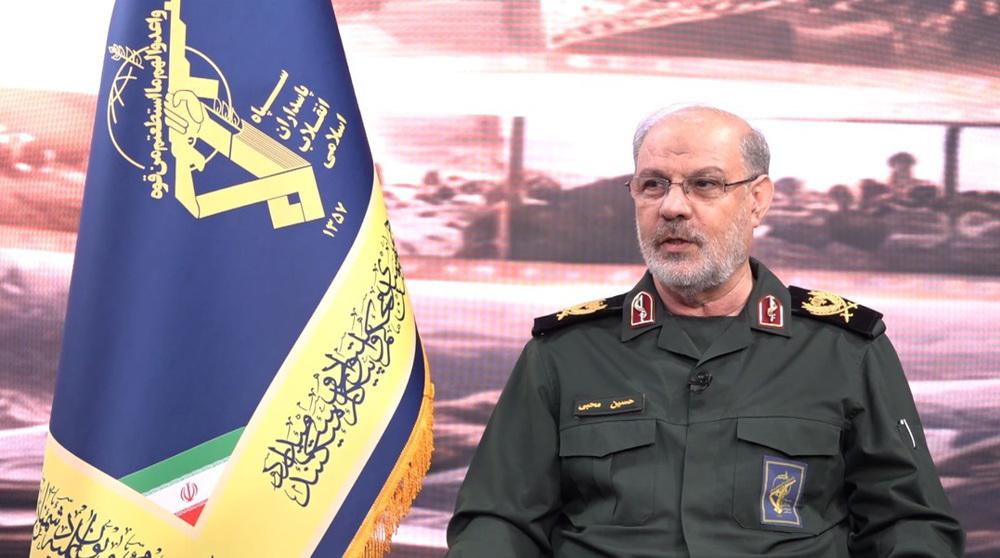
According to Iranian state television, Tehran’s response was delivered through mediator Pakistan and focused on ending the conflict across multiple fronts, particularly in Lebanon, while also addressing the security of shipping through the strategic waterway. Iranian media did not specify whether the move could lead to the reopening of the strait.
The reported response came after Washington proposed halting the fighting before broader negotiations begin on more contentious issues, including Iran’s nuclear programme. The United States had not publicly commented on Iran’s reply by Sunday evening.
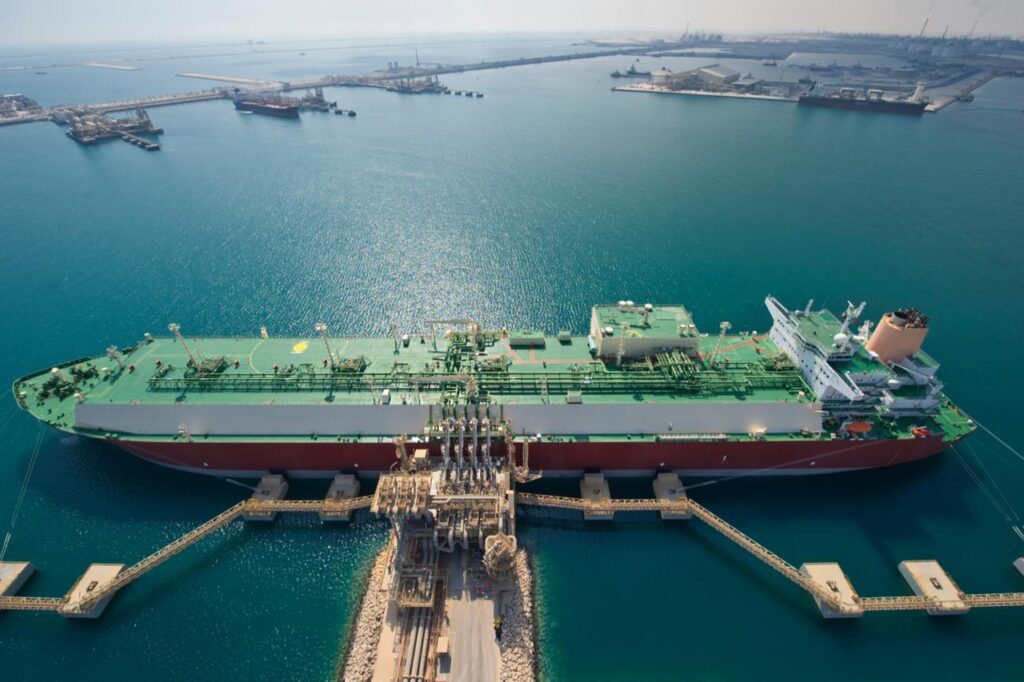
Despite lingering tensions, a QatarEnergy-operated liquefied natural gas carrier safely crossed the Strait of Hormuz on Sunday and headed toward Pakistan’s Port Qasim, according to shipping analytics firm Kpler. It marked the first Qatari LNG vessel to transit the waterway since the U.S.-Israeli war against Iran began on Feb. 28.
Sources said the shipment had been approved by Tehran as part of efforts to build confidence with Qatar and Pakistan, both of which have been involved in mediation efforts. A Panama-flagged bulk carrier bound for Brazil also reportedly crossed the strait using a route designated by Iranian armed forces, according to Iran’s semi-official Tasnim news agency.
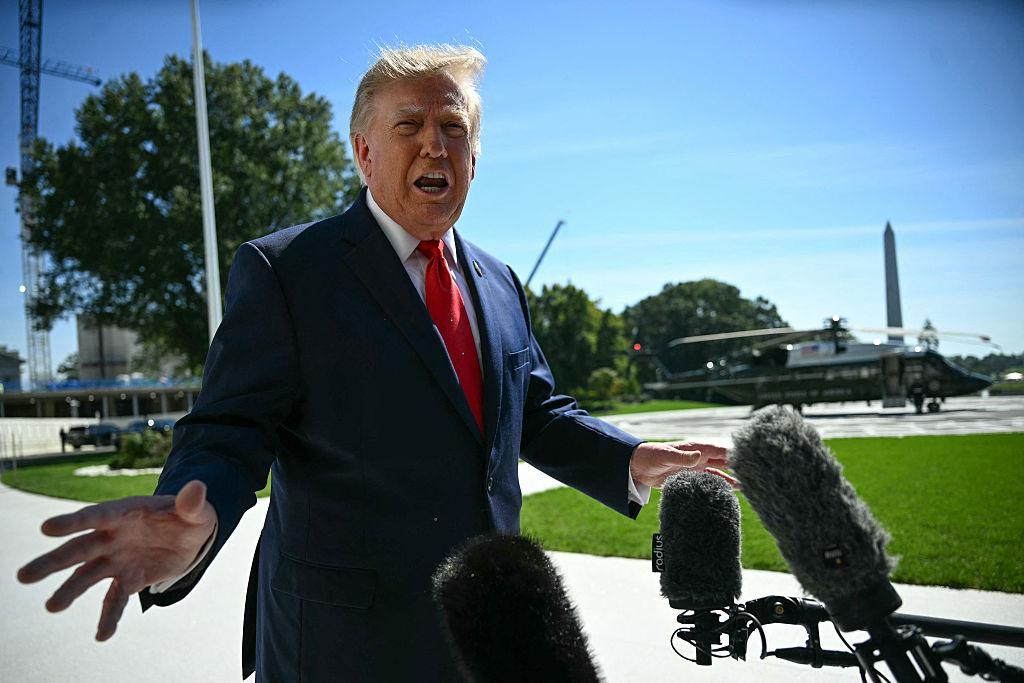
The developments come as pressure mounts on U.S. President Donald Trump to de-escalate the conflict ahead of his planned visit to China this week. The war has contributed to a growing global energy crisis and heightened concerns over the world economy.
Regional security concerns remained high on Sunday, with the United Arab Emirates reporting that it intercepted two drones originating from Iran, while Qatar condemned a drone strike on a cargo vessel in its territorial waters. Kuwait also said its air defences had intercepted hostile drones that entered its airspace.
Iran has largely restricted non-Iranian shipping through the Strait of Hormuz, a critical maritime corridor that previously carried around one-fifth of global oil supplies. The strait has become one of the central flashpoints in the war.
Qatari Prime Minister Mohammed bin Abdulrahman al-Thani, who discussed mediation efforts with U.S. Secretary of State Marco Rubio on Saturday, reportedly warned Iranian Foreign Minister Abbas Araqchi that using the strait as leverage would deepen the crisis and undermine freedom of navigation. Turkey’s foreign minister also held talks with Araqchi, according to a Turkish foreign ministry official.
Meanwhile, Iranian lawmakers said they were drafting legislation that would formalise Iran’s management of the Strait of Hormuz, including provisions restricting passage for vessels belonging to what Tehran describes as “hostile states.”
Fighting has also persisted in southern Lebanon between Israel and the Iran-backed Hezbollah movement despite a U.S.-brokered ceasefire announced in April. The latest round of talks between Israel and Lebanon is expected to begin in Washington on May 14.
The United States has faced challenges in rallying international support to secure the Strait of Hormuz, with NATO allies declining calls to deploy naval forces without a comprehensive peace agreement and internationally backed mission. Britain said Saturday it was preparing to deploy a warship to the Middle East in support of a potential multinational maritime operation.