Iran has warned it will launch “long and painful strikes” against US positions if Washington resumes military attacks, as tensions over the closure of the Strait of Hormuz continue to rattle global energy markets.
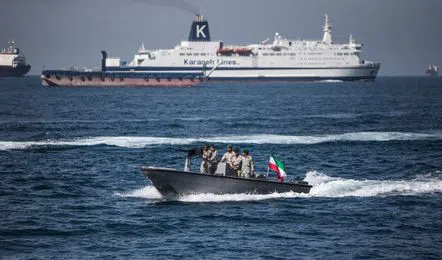
The warning comes amid a fragile ceasefire in the ongoing US-Israeli war on Iran, now in its second month, with the strategic waterway still effectively shut — disrupting nearly 20% of global oil and gas flows.
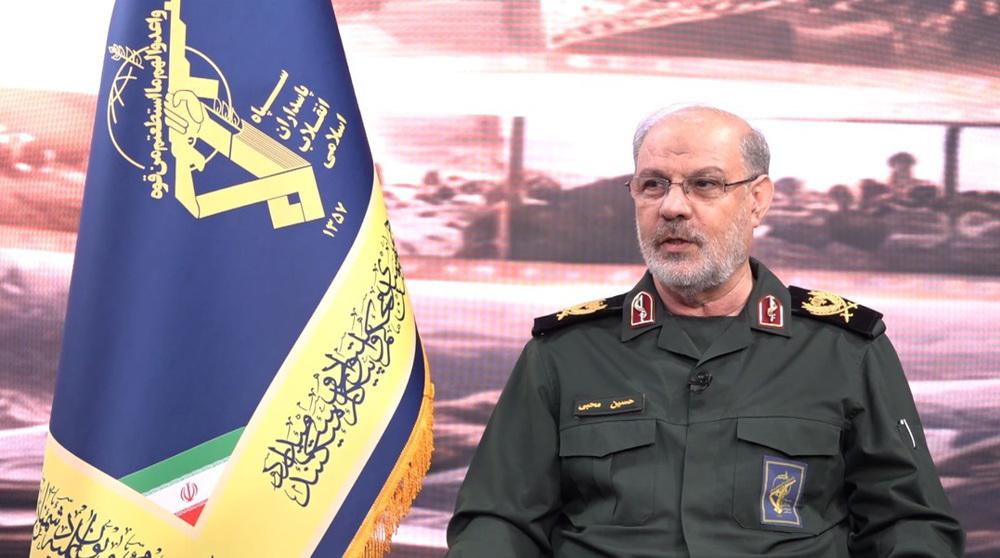
A senior commander in Iran’s Revolutionary Guards said any renewed US assault, even if limited, would trigger retaliation targeting American bases and naval assets across the region.
“We’ve seen what happened to your regional bases — the same will happen to your warships,” the commander was quoted as saying.
Iranian leadership has also signaled it intends to maintain control over the Strait of Hormuz, rejecting foreign presence in the waterway. Supreme Leader Mojtaba Khamenei said Tehran would eliminate what he described as “enemy abuses” in the strait under a new framework of control.
The standoff has intensified pressure on global markets. Benchmark Brent crude briefly surged past $126 per barrel before easing, reflecting fears of prolonged disruption to energy supplies.
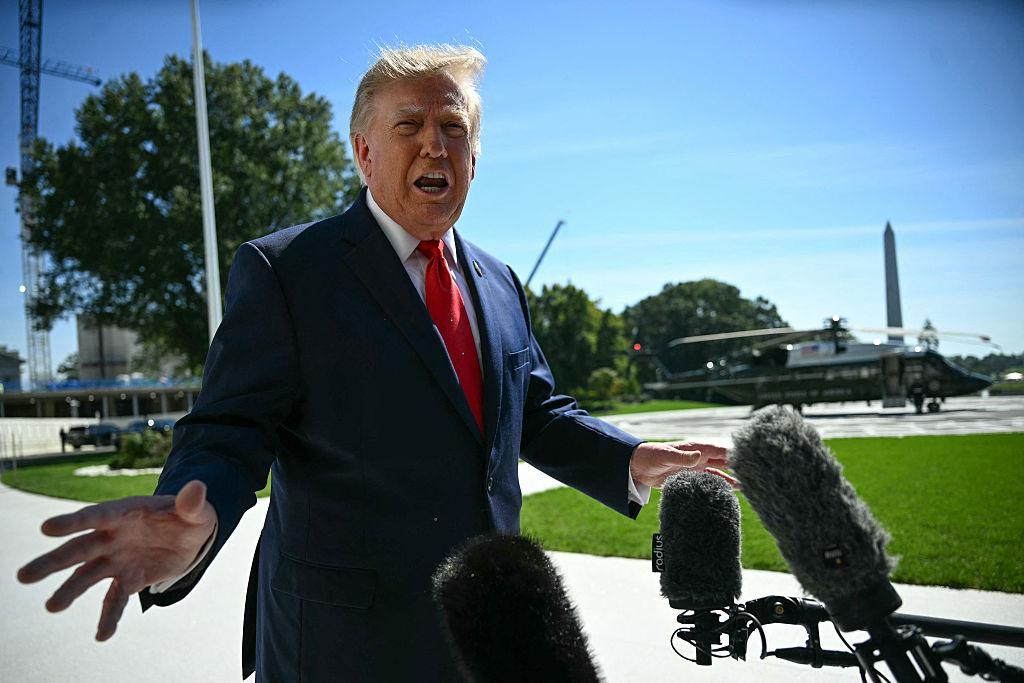
In Washington, US President Donald Trump is expected to receive a military briefing outlining potential new strike options against Iran, according to a US official. Plans under consideration reportedly include expanded military action as well as efforts to force negotiations.
At the same time, the United States is pushing allies to support a proposed maritime coalition aimed at reopening the strait. The initiative — referred to as the Maritime Freedom Construct — is envisioned as a post-conflict security framework for shipping in the region.
However, European allies including France and Britain have indicated they would only participate in such efforts after hostilities end.
Diplomatic efforts remain stalled. Iran has proposed postponing discussions on its nuclear program until after the conflict is resolved and maritime access restored — a condition Washington has rejected.
UN Secretary-General Antonio Guterres warned that a prolonged closure of the strait could have severe global consequences, including slower economic growth, rising inflation, and increased poverty.
Meanwhile, indirect talks continue through mediators, with Pakistan facilitating exchanges between the two sides. Iranian officials have requested additional time to respond to US feedback on a potential deal.
The conflict has already caused significant damage across the region, including disruptions to infrastructure and commercial operations, with analysts warning that prolonged instability could deepen economic strain both in the Middle East and globally.