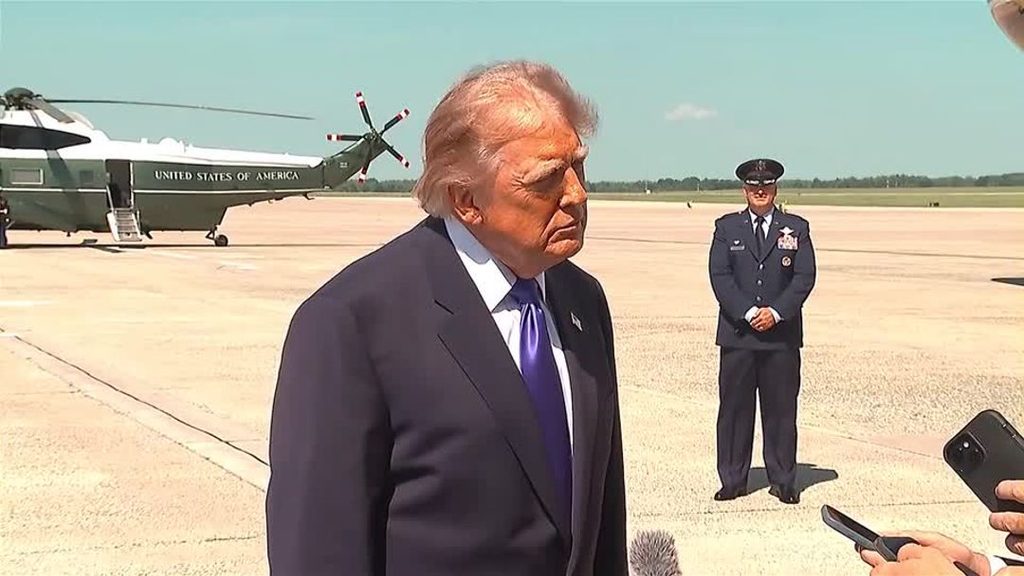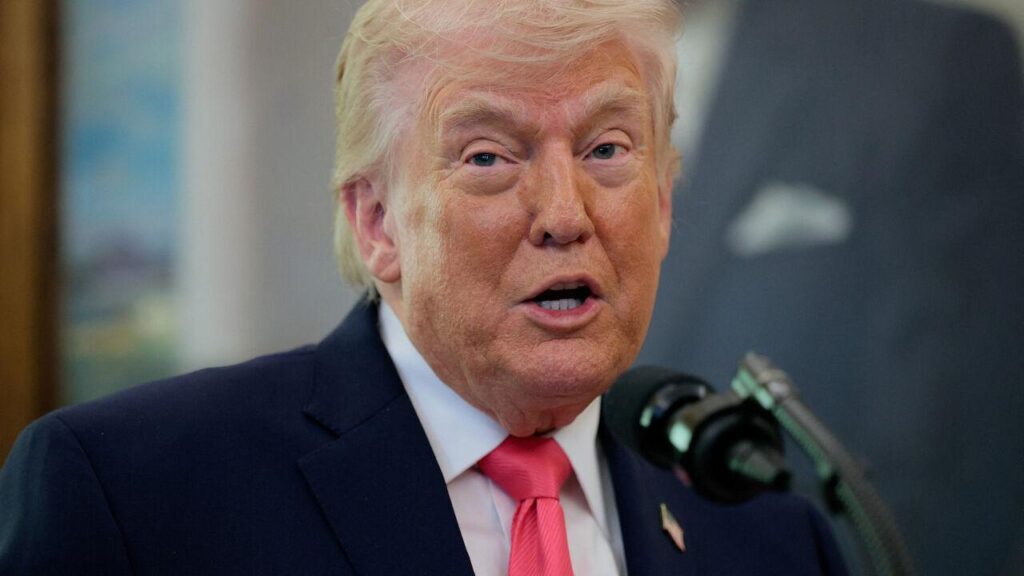
Leaked terms of a proposed memorandum to end the Gulf war appeared to favour Iran, prompting U.S. President Donald Trump to angrily reject the reports and accuse Tehran of feeding false terms to the media.
Accounts of the draft were provided to Reuters by Western, Pakistani and Iranian sources, while similar versions also appeared in Iranian media. The sources stressed that the text was not final, with a key dispute still unresolved over language on ending hostilities in Lebanon, where Iran has demanded that Israel halt its campaign against Hezbollah.
But the versions described by the sources largely accepted Iran’s main demands after months of negotiations, while leaving out several key U.S. conditions.
Trump pushed back in a social media post, saying the leaked terms had “nothing to do” with what had been agreed in writing. He did not specify which parts of the reporting were inaccurate, but described the Iranians as “very dishonorable people to deal with.”
Iranian Foreign Minister Abbas Araqchi said Friday that the memorandum had “never been closer,” while warning against speculation before the text is finalised.
A senior U.S. official offered a different description of the agreement, saying it included provisions not found in the leaked versions, including the destruction and removal of Iran’s stockpile of highly enriched uranium and the dismantling of its nuclear programme.
Under the text described by Reuters sources, Washington would immediately begin releasing billions of dollars in frozen Iranian assets and waive sanctions on Iranian oil exports. In return, Iran would lift its blockade of the Strait of Hormuz, which has been largely closed since the war began.
Talks over Iran’s nuclear programme would be postponed for 60 days as part of negotiations toward a final settlement. The draft would only restate Iran’s existing position that it does not seek nuclear weapons, a commitment Tehran has formally held since ratifying the U.N. Non-Proliferation Treaty in 1970.
The leaked versions reportedly contained no reference to Iran’s highly enriched uranium stockpile, a central U.S. demand in previous negotiations. Sources said that issue had been excluded from the memorandum for now.
The senior U.S. official disputed that account, saying Iran’s uranium stockpile “will be destroyed and removed” and that Tehran would receive no economic benefits until it performs. The official also said the Strait of Hormuz would reopen and Iran would not be allowed to fund armed groups.
A Western source said the memorandum could be signed as soon as Sunday if the final language is agreed, with Geneva seen as the likeliest venue. U.S. Vice President JD Vance and Iranian parliament speaker Mohammed Baqer Qalibaf could sign the document.
Vance said Friday that the potential agreement was structured so economic benefits would only flow to Tehran if it meets its obligations.
Israel, which jointly launched the war with the United States, has so far been excluded from the negotiations. Prime Minister Benjamin Netanyahu said Israel would not be party to the memorandum. He has clashed with Trump in recent weeks over U.S. pressure on Israel to reduce military action in Lebanon to allow Washington to reach a deal with Tehran.
Signs of a possible agreement emerged after a week of heavy escalation in the Gulf. Israel and Iran exchanged fire, and Washington launched two days of strikes on Iran, drawing retaliatory attacks on U.S. bases.
Trump’s announcement of a deal sent global shares higher and pushed oil prices lower. Brent crude fell more than 3 percent to its lowest level in nearly two months.
Tensions around the Strait of Hormuz remained high Friday. U.S. forces shot down two Iranian one-way attack drones, while Iranian state media said the military stopped a tanker from passing through the strait and reported explosions early in the day.
The conflict has become a growing political problem for the White House, with polls showing Trump’s approval ratings falling amid anger over rising gasoline prices. Some Republicans fear the war’s unpopularity could hurt them in November’s midterm elections, though many in the party remain hawkish on Iran and may resist any deal seen as offering Tehran major concessions.
Iran has long insisted its nuclear programme is peaceful. It accepted strict limits under the 2015 nuclear agreement with the Obama administration in return for sanctions relief. Trump withdrew from that deal in 2018, after which Iran expanded uranium enrichment and built a stockpile of material close to weapons-grade purity.