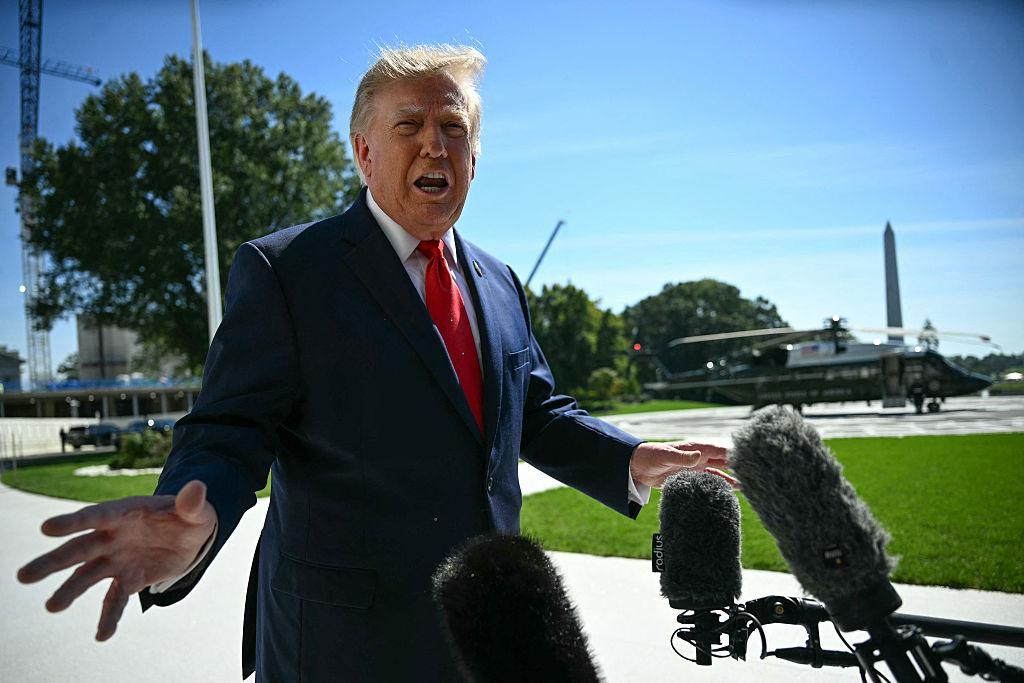
US President Donald Trump and Chinese President Xi Jinping opened high-stakes talks in Beijing on Thursday with discussions dominated by the Iran conflict, the Strait of Hormuz crisis, trade ties and rising tensions over Taiwan.
The first day of the closely watched summit combined grand diplomatic ceremony with intense negotiations as both sides sought to stabilize relations between the world’s two largest economies amid mounting global instability.
The White House said Trump and Xi agreed that the Strait of Hormuz “must remain open” to ensure the free flow of global energy supplies, while both leaders also agreed that Iran “can never have a nuclear weapon.”
The issue of the Gulf crisis overshadowed much of the summit, with global markets closely monitoring whether Beijing could use its influence with Tehran to ease tensions and help reopen disrupted shipping routes.
According to Reuters, oil markets and investors are increasingly looking to China to play a behind-the-scenes diplomatic role as the conflict with Iran continues to threaten nearly 20% of global oil and gas flows passing through the Strait of Hormuz.
The White House said the talks also focused heavily on economic cooperation, including expanding market access for American companies in China and increasing Chinese investment in US industries.
Trump was accompanied by a large delegation of American business leaders and executives, highlighting Washington’s renewed push for commercial engagement despite years of strategic rivalry with Beijing.
Chinese President Xi Jinping framed the relationship as one that should remain “constructive, strategic and stable,” while warning that tensions over Taiwan could severely damage bilateral ties.
According to China’s official summary of the talks, Xi warned Trump that mishandling the Taiwan issue could lead to “clashes and even conflicts” between the two powers.
While the White House avoided publicly mentioning Taiwan, Beijing placed the issue at the center of its messaging after the talks.
Xi also emphasized that China and the United States should become “partners, not rivals,” while Trump praised Xi as “a great leader” during a state banquet at the Great Hall of the People.
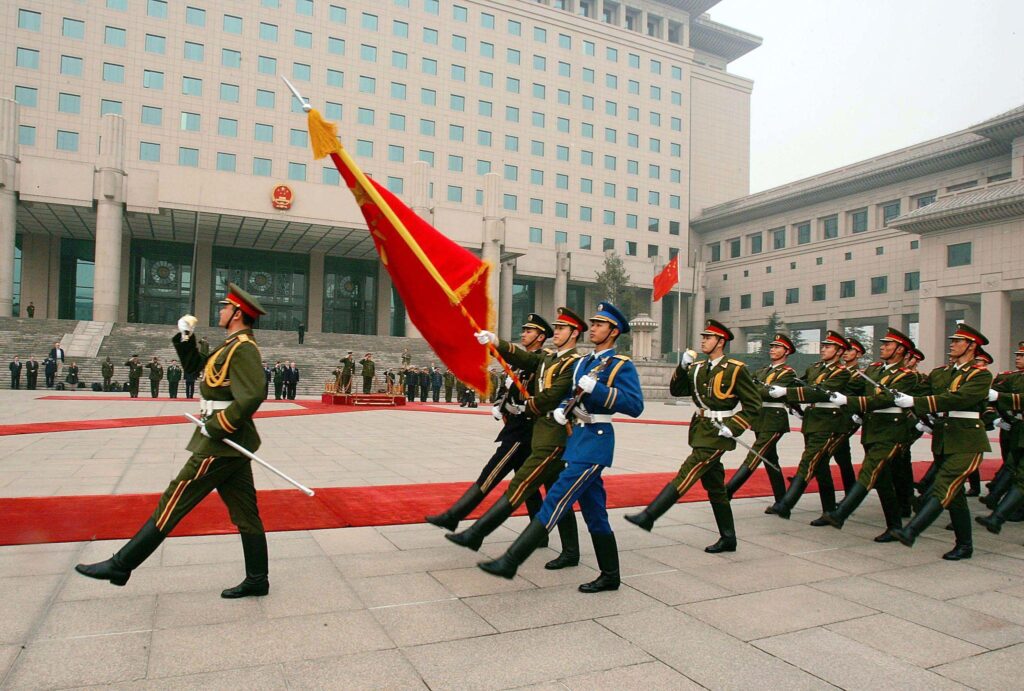
The summit featured extensive pageantry, including a red-carpet arrival ceremony, military honors and meetings at landmark sites across Beijing, underscoring the importance China attached to the visit.
Despite the symbolic warmth, analysts said few major breakthroughs emerged from the opening day of talks.
Reuters reported that markets were left waiting for concrete trade or policy announcements after more than two hours of meetings between the two leaders and accompanying delegations.
The summit comes at a particularly fragile moment for both countries.
Trump is seeking Chinese assistance in de-escalating the Iran crisis and stabilizing global energy markets, while Xi faces slowing economic growth at home and continued pressure over Taiwan and technology restrictions.
Trade between the United States and China totaled roughly $414 billion last year, with both governments attempting to prevent further deterioration in ties despite ongoing geopolitical disputes.
The two-day summit in Beijing continues Friday, with additional discussions expected on artificial intelligence, technology exports, security cooperation and regional conflicts.