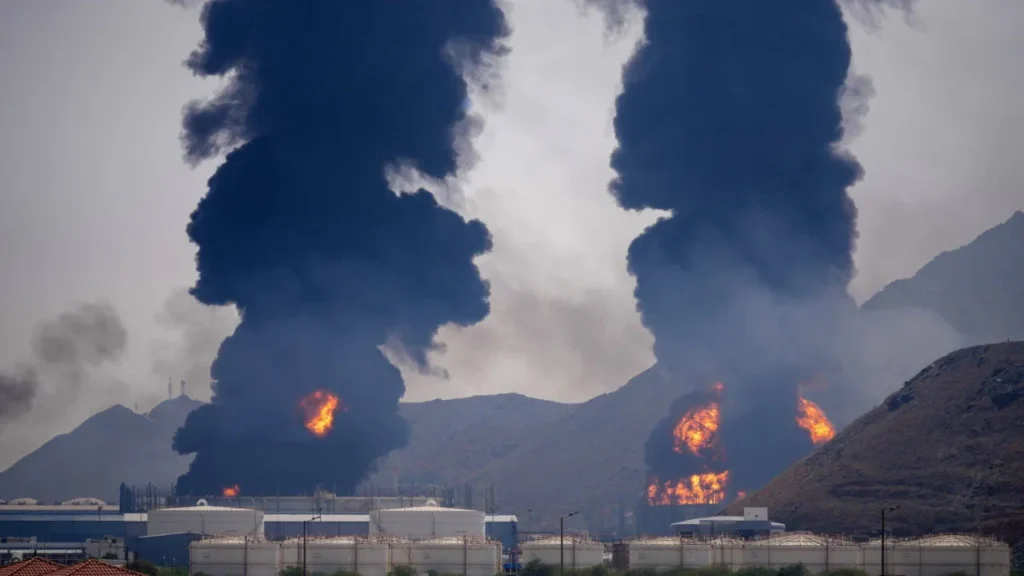
U.S. President Donald Trump and Iran have exchanged direct threats to target energy infrastructure across the Gulf, marking a sharp escalation in the ongoing conflict and raising fears of a wider regional war with global economic consequences.
Trump warned that the United States would “obliterate” Iran’s power infrastructure if Tehran does not fully reopen the Strait of Hormuz within 48 hours, issuing the ultimatum late Saturday. The threat came despite earlier signals from Washington suggesting a possible de-escalation after nearly four weeks of war.
Iran responded on Sunday by warning it would strike U.S. infrastructure across the region, including energy facilities, if Washington follows through. Tehran’s military command said any attack on its fuel or electricity systems would trigger retaliation targeting U.S. energy, technology, and desalination infrastructure in Gulf states.
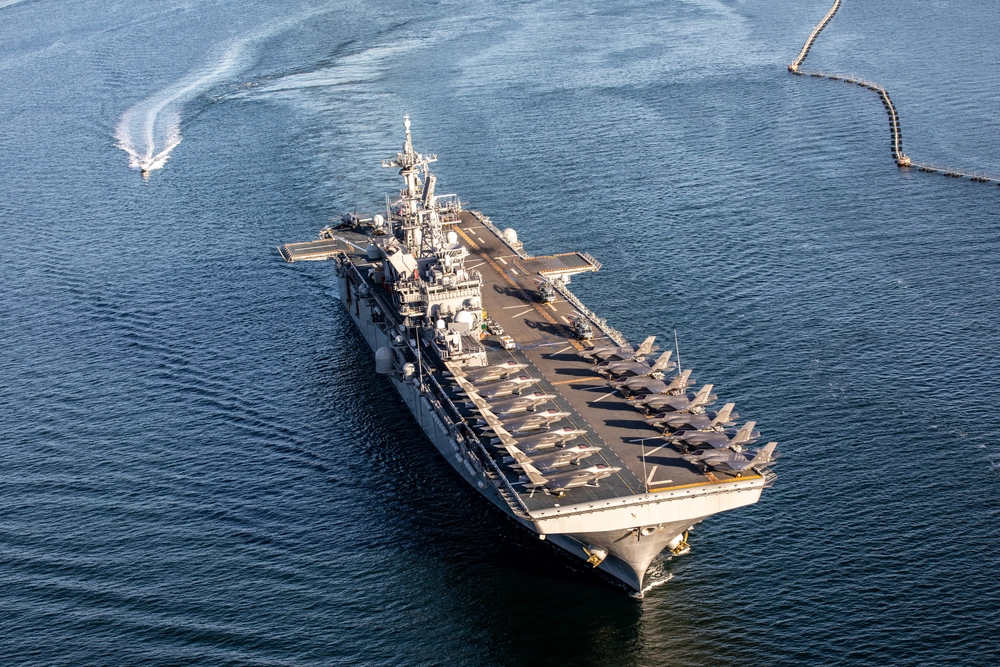
The escalating rhetoric comes as U.S. Marines and heavy landing equipment continue to deploy toward the region, reinforcing expectations of further military action.
The conflict, launched on February 28 by the United States and Israel, has already killed more than 2,000 people and triggered major disruptions in global markets. Oil prices have surged to their highest levels in nearly four years, while fears of inflation and supply shocks continue to grow.
Analysts warn the situation could trigger a severe market reaction. “A 48-hour ultimatum like this creates a ticking time bomb for global markets,” said IG analyst Tony Sycamore, cautioning that failure to de-escalate could result in a sharp sell-off and another spike in energy prices.
Iran’s actions have effectively constrained traffic through the Strait of Hormuz, a strategic chokepoint through which roughly one-fifth of global oil and liquefied natural gas supplies pass. While Tehran says the strait remains open to neutral shipping, vessels linked to what it calls “enemy states” face restrictions.
Limited traffic continues, with some ships — including Indian and Pakistani vessels — managing to transit the waterway under coordination with Iranian authorities.
Market pressure intensified after Iraq declared force majeure on foreign-operated oilfields, while Israeli strikes on Iranian gas infrastructure and Iranian retaliatory attacks on regional states further destabilized supply.
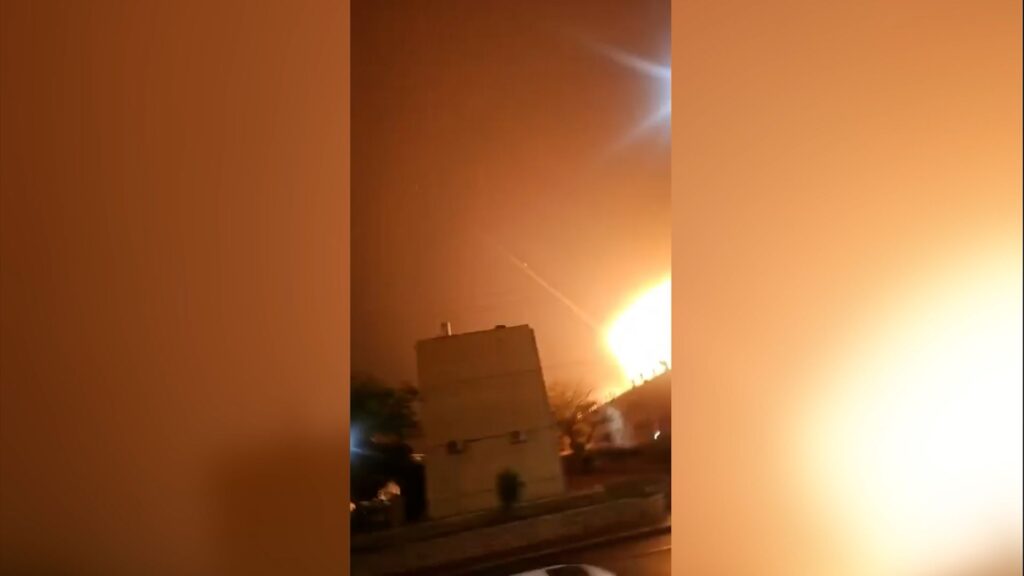
Iran has also expanded the scope of the conflict militarily. On Saturday, it launched long-range ballistic missiles toward the U.S.-UK base at Diego Garcia in the Indian Ocean, according to Israeli military officials. The missiles, with a reported range of up to 4,000 km, place parts of Europe within potential reach.
Israeli officials warned that cities such as Berlin, Paris and Rome could fall within range, highlighting the widening strategic implications of the conflict.
Meanwhile, Israeli forces continued strikes on Tehran early Sunday, following Iranian attacks on southern Israel.
The war has exposed divisions among Western allies. Trump has criticized NATO members for hesitating to support efforts to reopen the Strait of Hormuz, while several allies remain reluctant to join a conflict launched without broad consultation.
Domestic pressure is also mounting in the United States. A recent Reuters/Ipsos poll shows 59% of Americans oppose military strikes on Iran, with rising energy costs adding to political strain ahead of midterm elections.