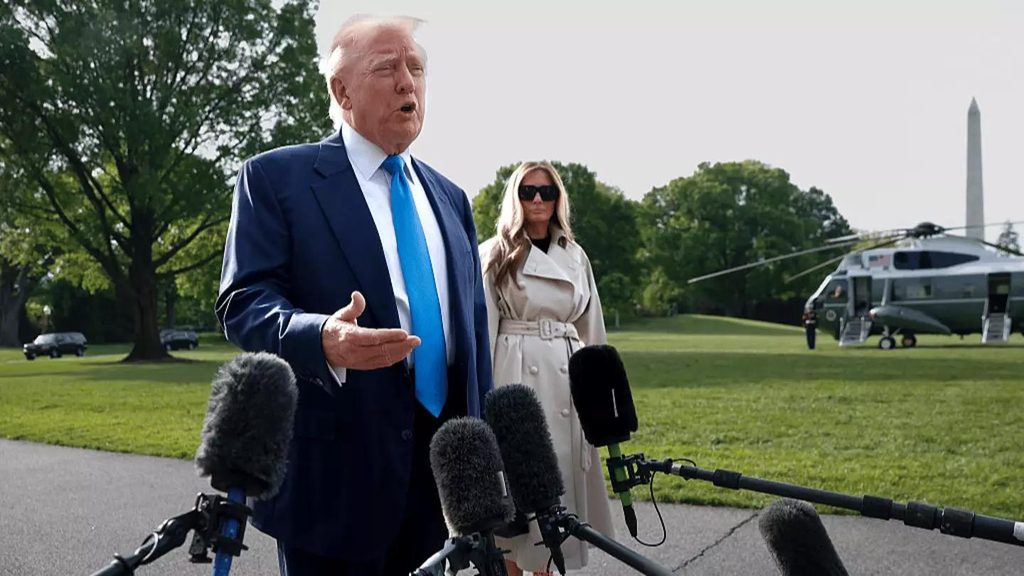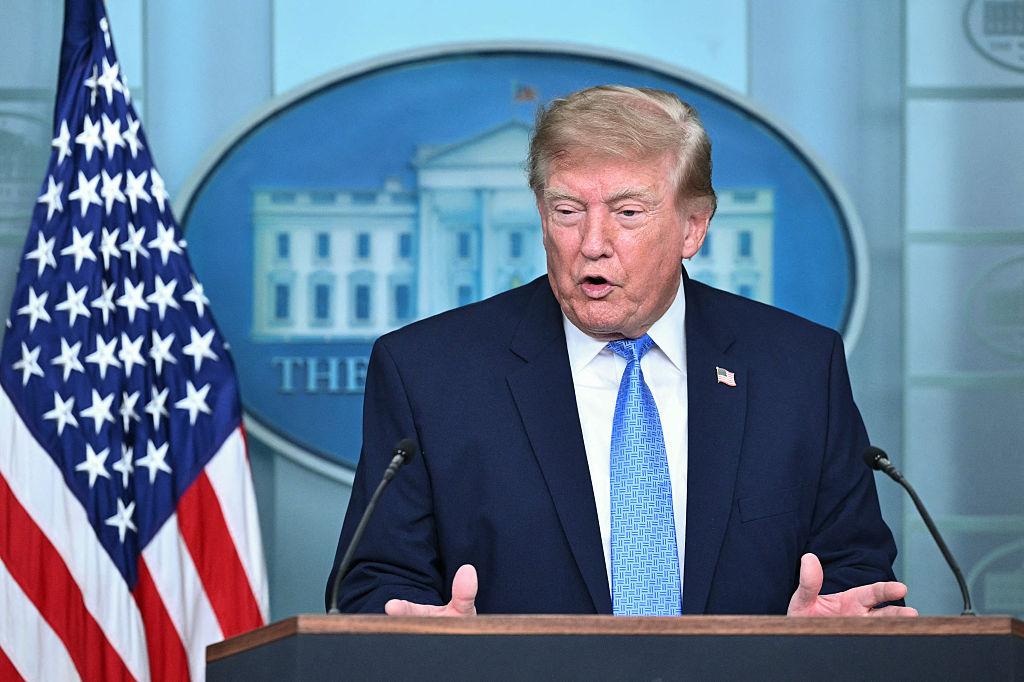
US President Donald Trump is considering postponing further military strikes against Iran unless Tehran or its Houthi allies in Yemen launch new provocations, Reuters reported on Saturday, citing three people familiar with internal White House discussions.
Trump has discussed the possibility with senior national security advisers following intelligence briefings, but has yet to make a final decision on whether to escalate the conflict or continue relying on economic and military pressure.
The discussions come amid diplomatic appeals from Turkey and Saudi Arabia, growing domestic opposition to the war and continued pressure from Israel for renewed US military action.
According to Reuters, Saudi Crown Prince Mohammed bin Salman and Turkish President Recep Tayyip Erdogan urged Trump to avoid another round of attacks during telephone conversations over the past two weeks.
Trump reportedly told the Saudi crown prince on October 31 that he intended to launch strikes after the US midterm elections. Mohammed bin Salman urged restraint, arguing that American sanctions and the naval blockade were already weakening Iran’s economy.
Erdogan has also pressed for de-escalation. The Turkish presidency confirmed three conversations between the two leaders since October 28, including a November 7 call in which Ankara emphasised the need to end tensions between Washington and Tehran.
Neither leader received a firm commitment from Trump, according to people familiar with the discussions.
US intelligence assessments suggest that economic sanctions and restrictions on Iranian maritime trade are placing increasing pressure on Tehran, potentially reducing the immediate need for further military operations.
Officials briefed on the assessments also indicated that another wave of American strikes would be unlikely to significantly change Iran’s negotiating position.
Despite the diplomatic efforts, Washington continues to maintain substantial military forces in the Middle East.
A third US aircraft carrier is expected to arrive in the region in the coming days, initially to replace one of the two already deployed. Military planners are reportedly considering retaining all three vessels if tensions escalate.
Additional strikes against Iran’s underground nuclear facilities remain among the options under consideration, although officials have raised questions about their effectiveness following previous US attacks.
Concerns over American ammunition reserves have also featured in White House discussions, with some long-range precision weapons reportedly depleted after months of military operations.
The White House rejected suggestions that shortages could restrict Trump’s military options, insisting that US forces possess sufficient weapons to meet the administration’s strategic objectives.
Meanwhile, Israeli officials have continued encouraging Washington to undertake another military campaign against Iran, according to a US official cited by Reuters.
The conflict, launched by the United States and Israel in February, has disrupted regional trade, driven up global energy prices and generated growing opposition among American voters.
A Reuters/Ipsos survey conducted before the November 3 midterm elections found that 55 percent of Americans believed the war was not worth its cost.
Republicans subsequently lost control of Congress, with Vice President JD Vance linking the party’s electoral defeat to public dissatisfaction with the conflict.
Trump has nevertheless maintained that Washington holds a strong negotiating position because of its naval blockade and the economic damage inflicted on Iran.
His latest private discussions suggest the administration may favour continued economic pressure over an immediate return to large-scale military operations, while preserving the option of renewed strikes should tensions increase.
For now, however, the possibility of another military escalation remains unresolved.