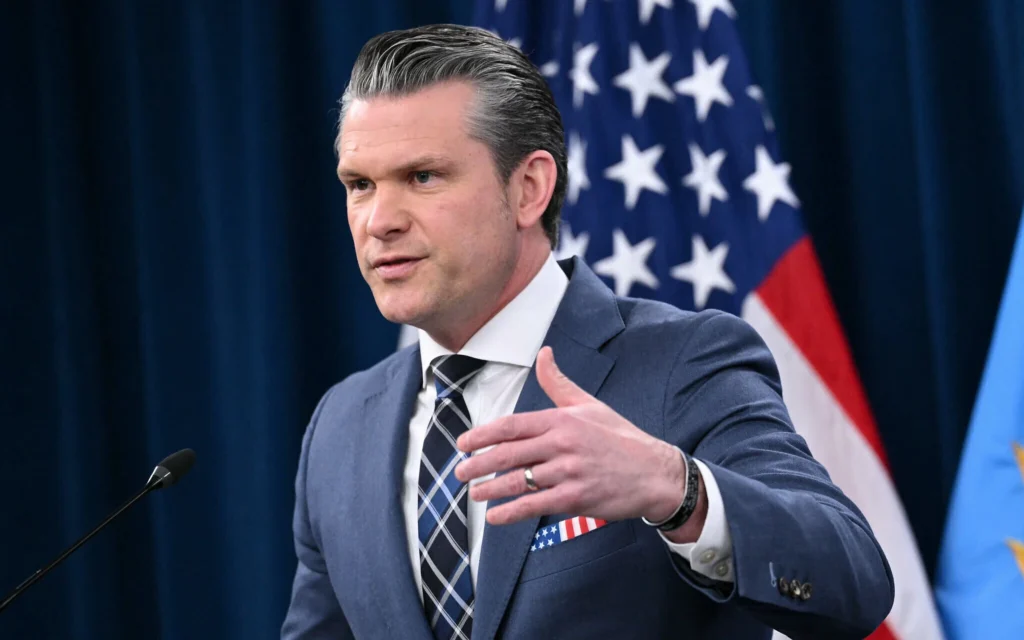
The United States is set to launch its largest wave of strikes on Iran to date, Defense Secretary Pete Hegseth said Thursday, signaling a major escalation in the ongoing US-Israel military campaign.
Speaking alongside Joint Chiefs Chairman Gen. Dan Caine, Hegseth said Washington had already struck more than 7,000 targets across Iran since the operation began in late February, targeting military infrastructure, missile systems, and naval assets.
“Today will be the largest strike package yet,” he said, adding that US forces are “hunting, striking, delivering death and destruction from above.”
The Pentagon says its objective remains unchanged: dismantling Iran’s missile capabilities, crippling its defense industry, and neutralizing its naval forces.
Hegseth declined to provide a timeline for the end of the operation, stating only that the campaign is proceeding “on plan.”
Deepening strikes inside Iran
Gen. Caine said US forces are expanding the scope and depth of their operations, hitting increasingly hardened and strategic targets inside Iranian territory.
He confirmed the use of 5,000-pound bunker-busting munitions against underground facilities storing coastal defense cruise missiles, as well as sustained strikes on mine depots, naval ammunition sites, and maritime assets.
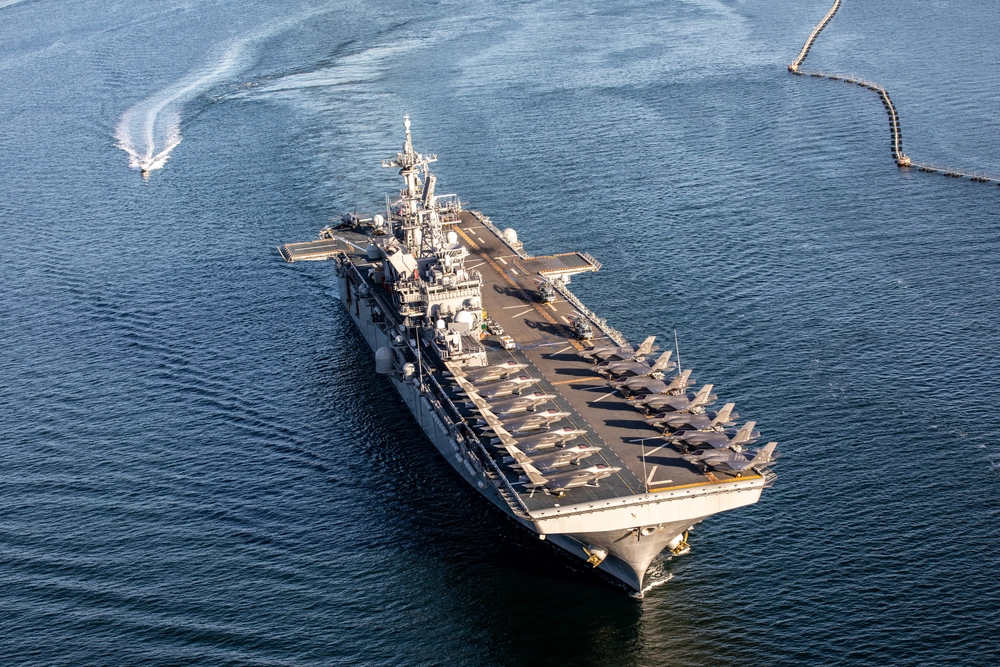
According to the Pentagon, more than 120 vessels and 44 minelayers have been destroyed so far.
Caine claimed the campaign has significantly degraded Iran’s military capabilities, with ballistic missile and drone attacks against US forces down by roughly 90% since the start of the war.
Mounting costs and widening war
The US-Israel offensive, launched on Feb. 28, has killed more than 1,200 people in Iran, including Supreme Leader Ali Khamenei, marking one of the most consequential escalations in the region in decades.
Tehran has retaliated with missile and drone strikes targeting Israel and US-linked sites across the region, including in Jordan, Iraq, and Gulf states, disrupting air traffic and rattling global markets.
Despite the sustained bombardment, US officials acknowledge Iran retains residual missile capabilities.
Hegseth also signaled that the financial cost of the war is rising sharply, with the Pentagon seeking more than $200 billion in funding from Congress.
“It takes money to kill bad guys,” he said, indicating further requests may follow as operations continue.