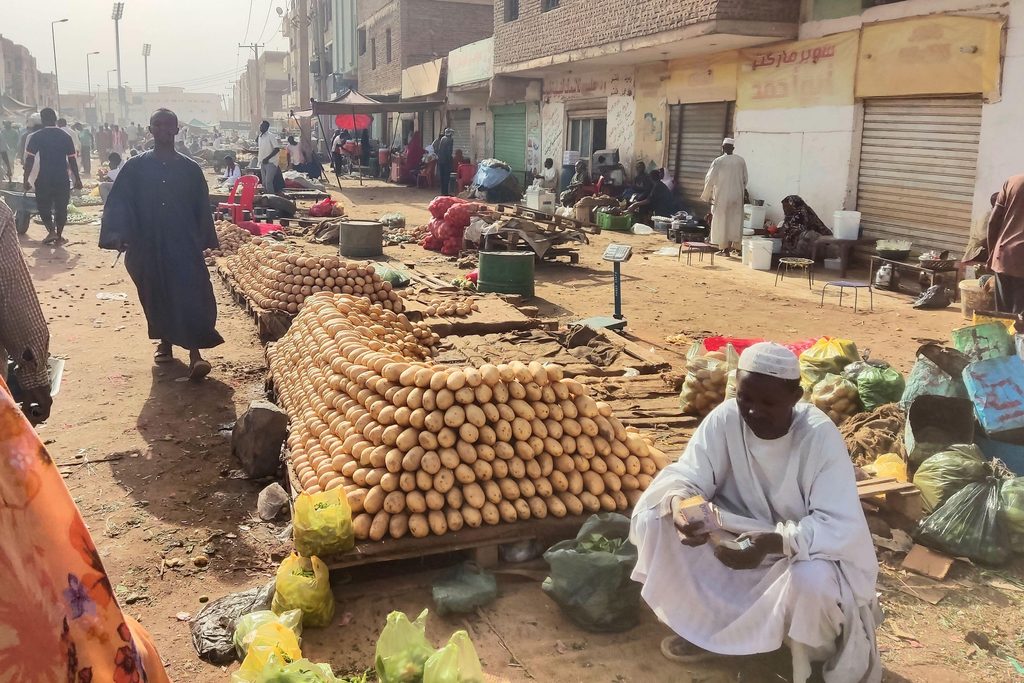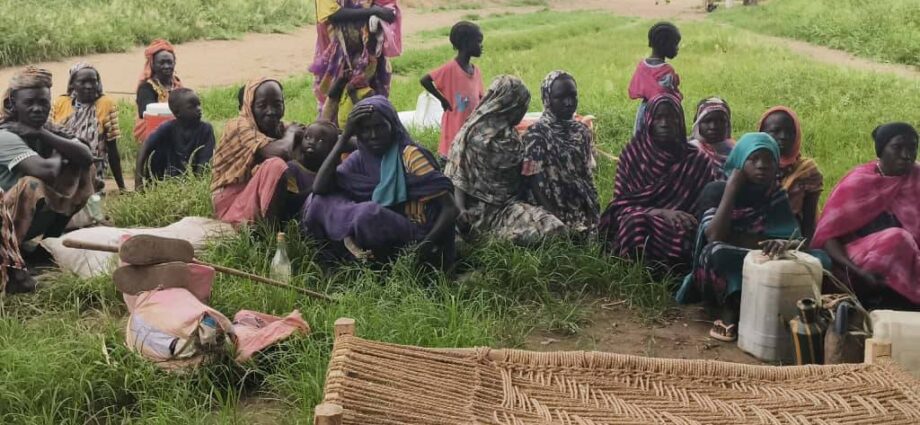
More than 42,000 displaced people in Sudan’s Blue Nile region are facing severe shortages of food, clean water, shelter and medical care, with aid groups warning of growing risks of hunger, disease and child malnutrition.
The Blue Nile Civil Society Initiative said 42,271 displaced people from about 3,803 families were living in areas around Qaysan and along the border with Ethiopia under increasingly dire humanitarian conditions.
The group said the displaced population included 24,266 children, 11,713 women and 6,463 men.
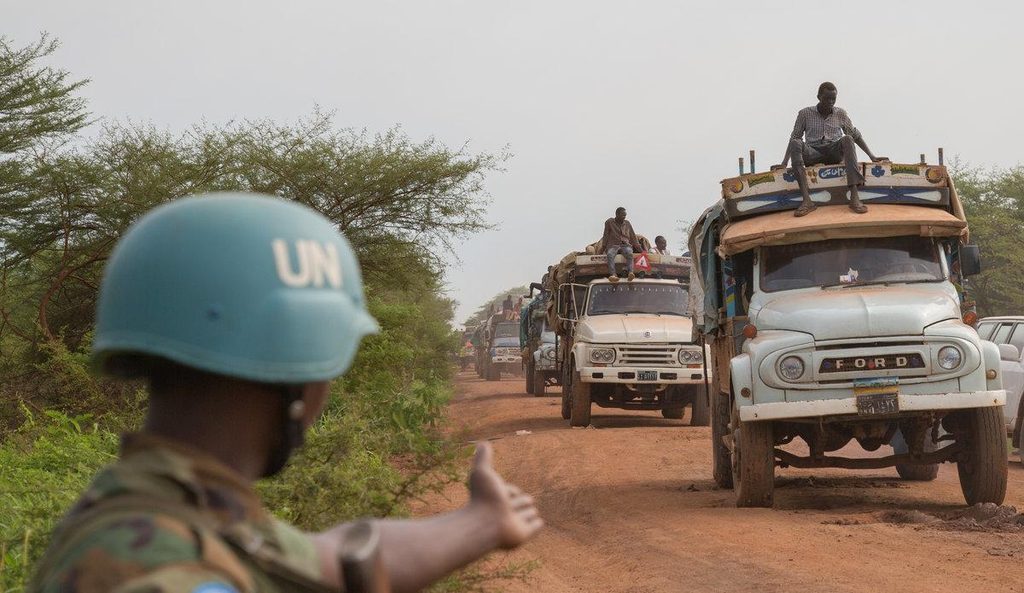
Many families are living outdoors without adequate shelter or access to basic services, according to the initiative, which warned that deteriorating security and difficulties reaching affected communities were preventing sufficient humanitarian assistance from getting through.
The areas are under the control of the Sudan People’s Liberation Movement-North, or SPLM-N, and its ally the Rapid Support Forces, amid continuing fighting in the region.
The initiative called for an immediate humanitarian ceasefire and urged the United Nations, international relief organisations, donors and humanitarian groups operating in Sudan and neighbouring Ethiopia to conduct an urgent assessment of needs.
It warned that food shortages and declining healthcare services were increasing the threat of malnutrition, particularly among children, while poor access to clean water and sanitation was raising the risk of waterborne and mosquito-borne illnesses.
Local Sudanese media reported that the displaced population was spread across several locations, including Sansanaw, Famudu-Abu Daqla, Aqru-Aju and Qal Inq, while more than 2,300 people had crossed into areas inside Ethiopia.
The initiative urged all forces controlling affected areas to allow safe and unrestricted humanitarian access and to guarantee the safety of civilians and aid workers.
It also appealed for immediate deliveries of food, drinking water, shelter materials, medicines and nutritional assistance, saying priority should be given to children, women and families living in the open.
Fighting in Blue Nile has intensified around Qaysan and Kurmuk, driving repeated waves of displacement.
The International Organization for Migration recorded nearly 100,000 people displaced from different parts of Blue Nile between January 11 and August 23, according to figures cited by local Sudanese media.
The civil society initiative warned that delays in humanitarian intervention could lead to further deaths as already vulnerable families confront hunger, disease and worsening living conditions.