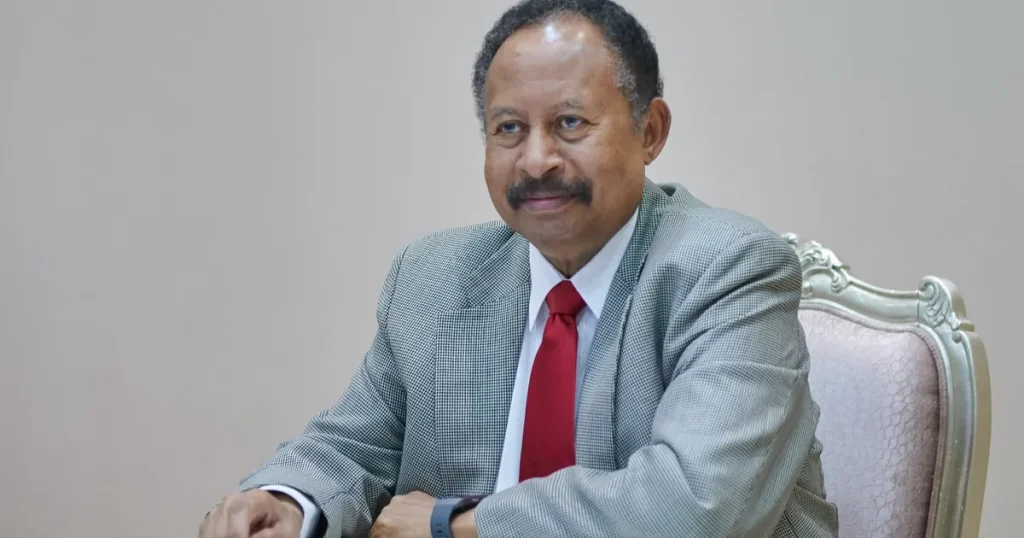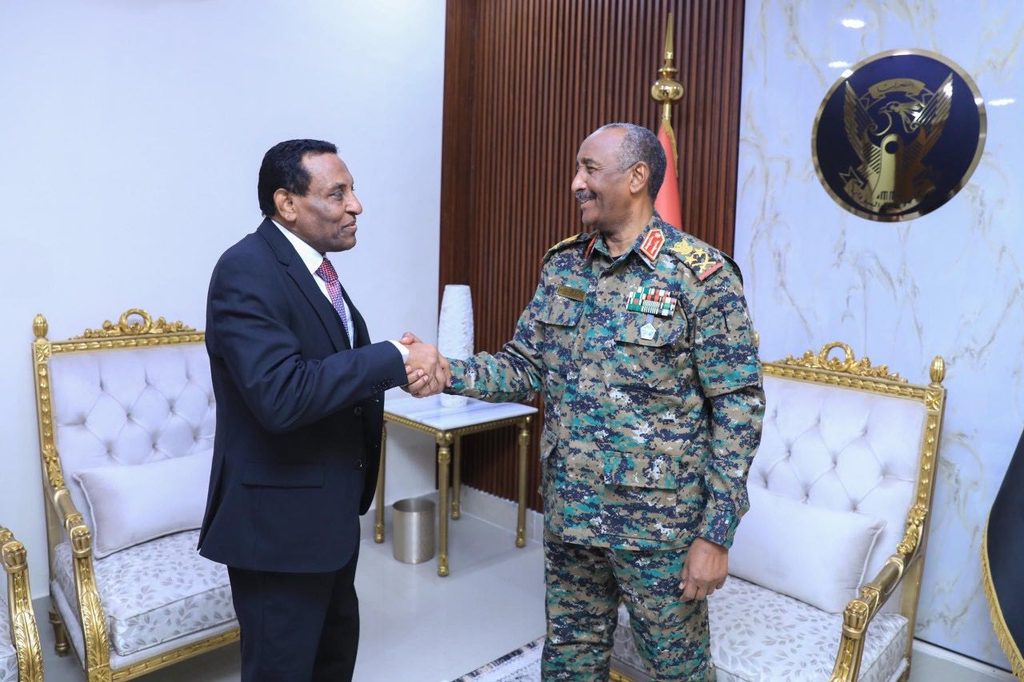
Sudanese army chief Abdel Fattah al-Burhan has ruled out negotiations with the Rapid Support Forces (RSF) and rejected any return to power by former Prime Minister Abdalla Hamdok or the Forces of Freedom and Change (FFC) coalition.
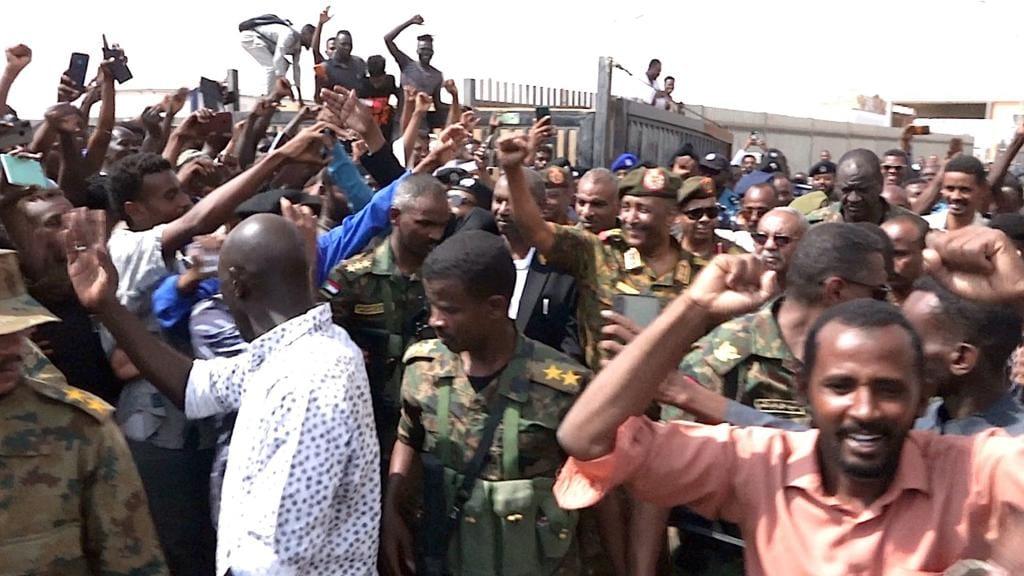
Addressing a public gathering in Wadi Halfa in Northern State on October 21, Burhan accused unnamed political opponents of seeking foreign support to gain power, declaring that Sudan would not accept leadership imposed from outside the country.
He insisted that political authority must ultimately be determined by the Sudanese people through elections.
Burhan singled out Hamdok and the FFC, declaring that neither would return to power, while accusing political opponents of attempting to gain influence through foreign backing.
He warned that anyone seeking to govern Sudan through external military or political support would face resistance.
The army chief also reiterated his refusal to negotiate with the RSF, insisting that its forces must surrender their weapons or face continued military operations.
His remarks reinforced the military leadership’s rejection of dialogue with the RSF, despite international efforts to secure a ceasefire and advance a negotiated settlement to Sudan’s devastating conflict.
Burhan also directed warnings at political groups operating outside Sudan, accusing them of encouraging foreign interference in the country’s affairs.
He urged political opponents to return to Sudan if they wished to participate in the country’s future, insisting that no outside power could determine who governs the nation.
The statements come amid continuing disputes over Sudan’s political future, with civilian groups seeking an end to military rule and a transition to civilian governance.
Burhan maintained that the Sudanese people alone should decide their leadership through elections, rejecting what he described as foreign guardianship over the country or its armed forces.
However, he did not outline a timetable for elections or explain how a political transition could proceed while the war continues.
The army chief sought to reassure residents about Sudan’s future, urging citizens not to lose confidence despite the prolonged conflict and its devastating economic and humanitarian consequences.
During his address, Burhan also expressed appreciation for Egypt, describing relations between the neighbouring countries as important.
He said Egyptian nationals living in Sudan were safe and faced no significant problems, while emphasising the need to maintain cooperation and protect shared interests.
Burhan’s latest statements signal a continued hardline position toward both the RSF and civilian political opponents, raising further questions about prospects for an inclusive political settlement to end Sudan’s war.