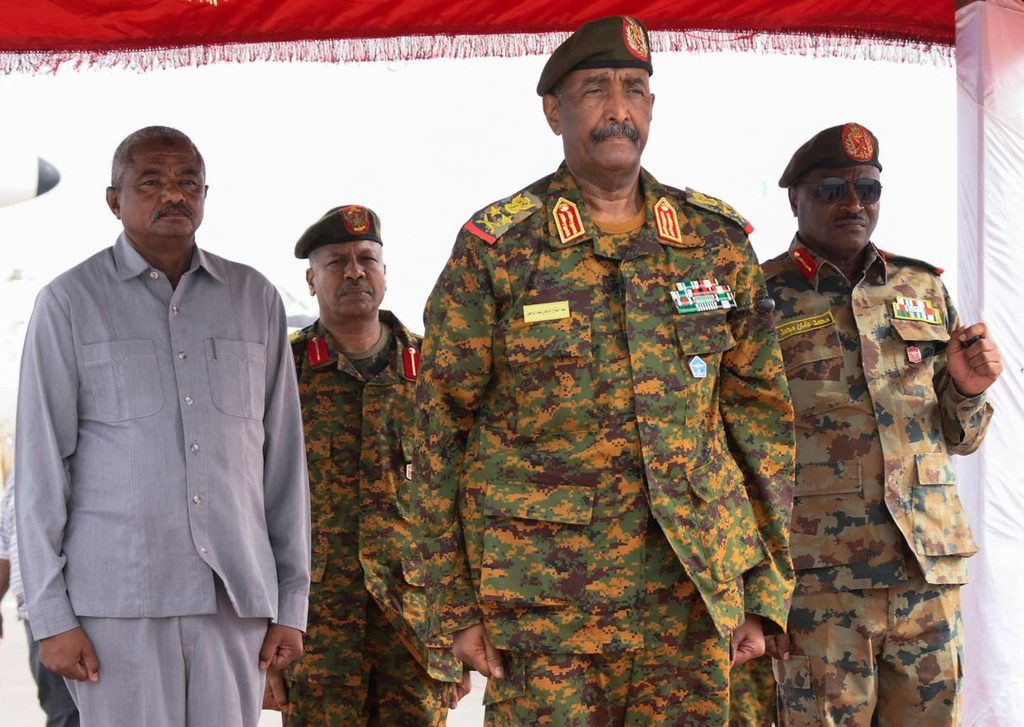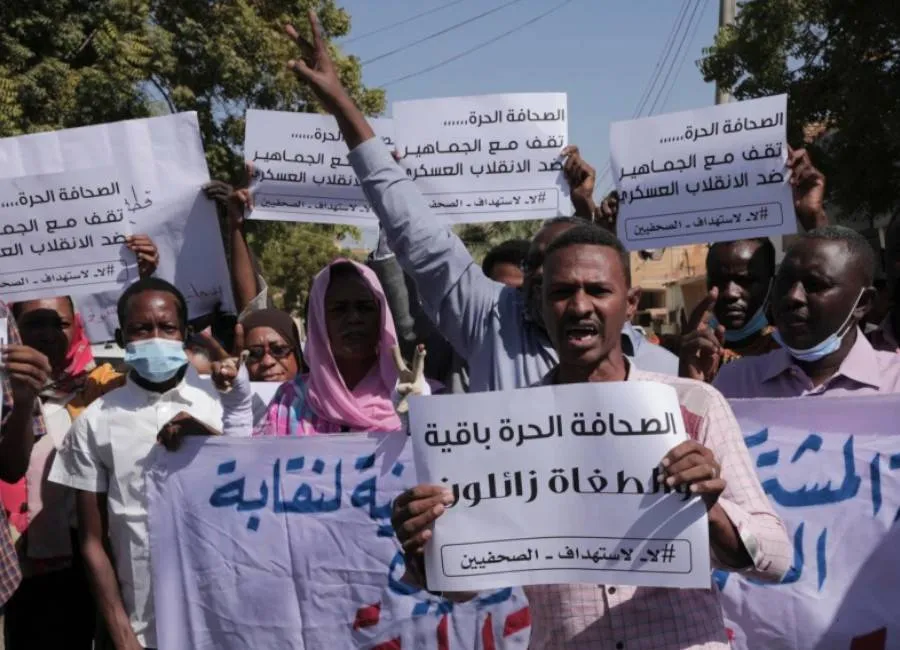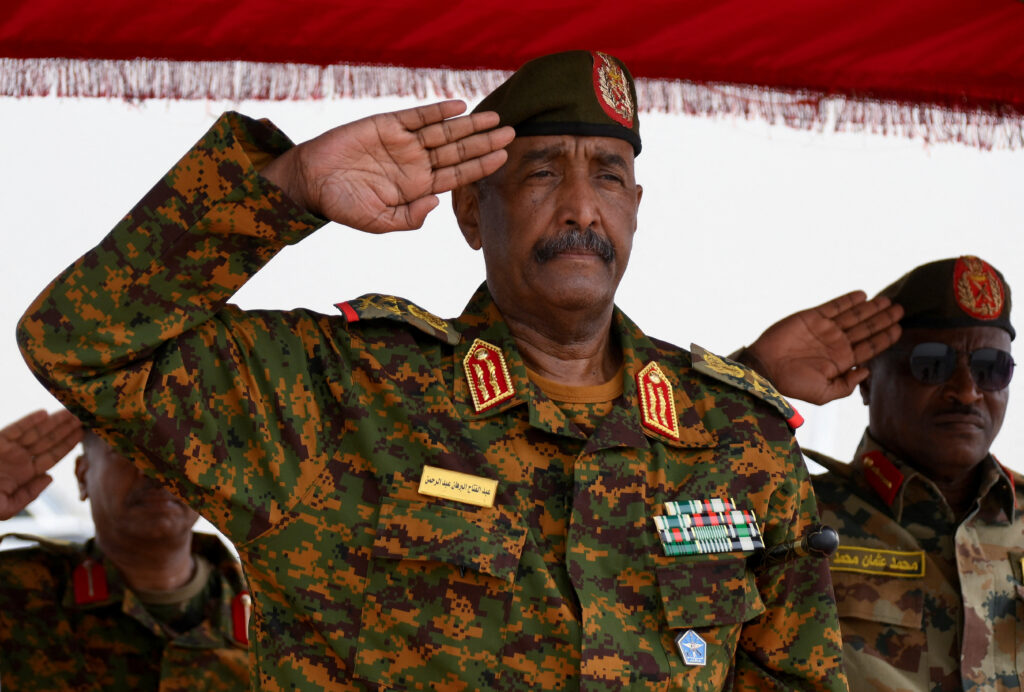
A push by Sudan’s General Abdel Fattah al Burhan for national dialogue is drawing sharp criticism from analysts and political leaders.
Burhan unveiled the plan on the 72nd anniversary of the Sudanese Armed Forces (SAF) founding.
He vowed his forces would keep fighting the Rapid Support Forces until the group is defeated.
At the same time, Burhan said he welcomed genuine peace efforts, provided they met his conditions.
He endorsed a dialogue initiative from forces he described as army allies, aiming to complete Sudan’s stalled state institutions.
Critics say the plan is doomed because it sidelines the Rapid Support Forces, the main power force in the country.
Mohammed Sayed al-Jakoumi of the Democratic Unionist Party said political camps split when the conflict erupted, some backing RSF commander Mohamed Hamdan Dagalo, known as Hemedti.
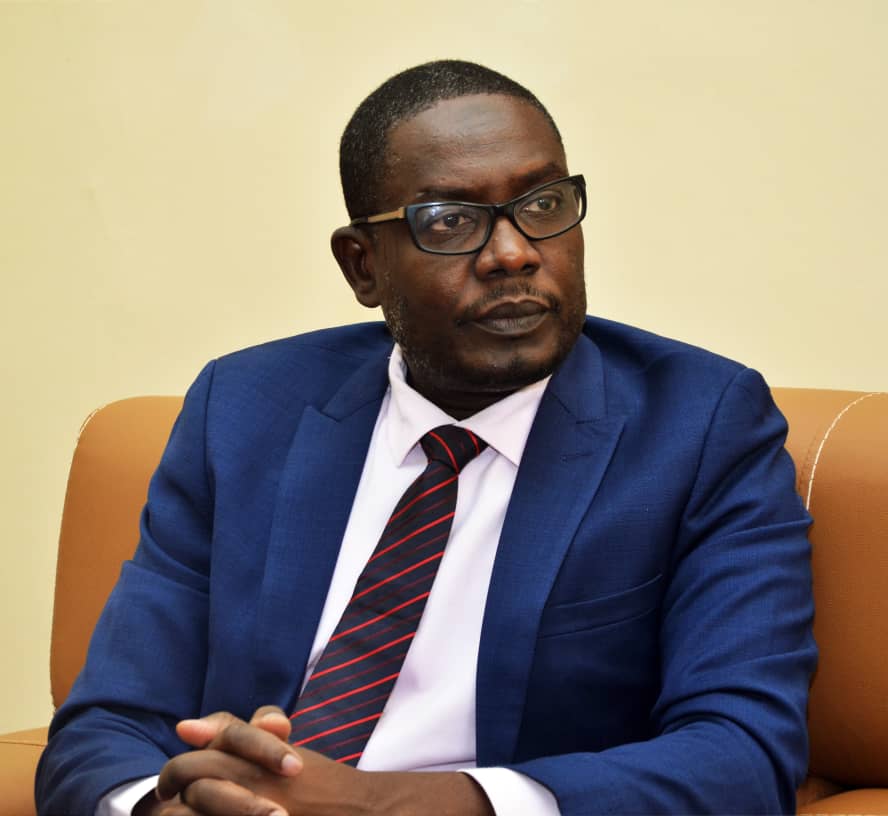
Fathi Abu Ammar, editor of Al-Dustour newspaper, accused Burhan of acting as a “sole ruler” who picks and excludes participants at will.
He said Burhan is now courting figures once branded terrorists, calling the shift a sign of outright dictatorship.
Sharif Osman of the Sudanese Congress Party said his party and others are refusing to join, citing the absence of a real roadmap to end the war.
Osman argued genuine talks require international sponsorship, free from military control.
Al-Jakoumi pushed back, saying Hemedti once served under Burhan’s command before the war began.
He noted the 2019 constitutional deal left Sudan’s vice presidency vacant until Hemedti stepped in.
Osman traced the crisis to the 2021 coup, when Burhan and Hemedti moved together against the transition, before turning on each other.
Both sides agree the war’s end demands compromises neither general has yet offered.