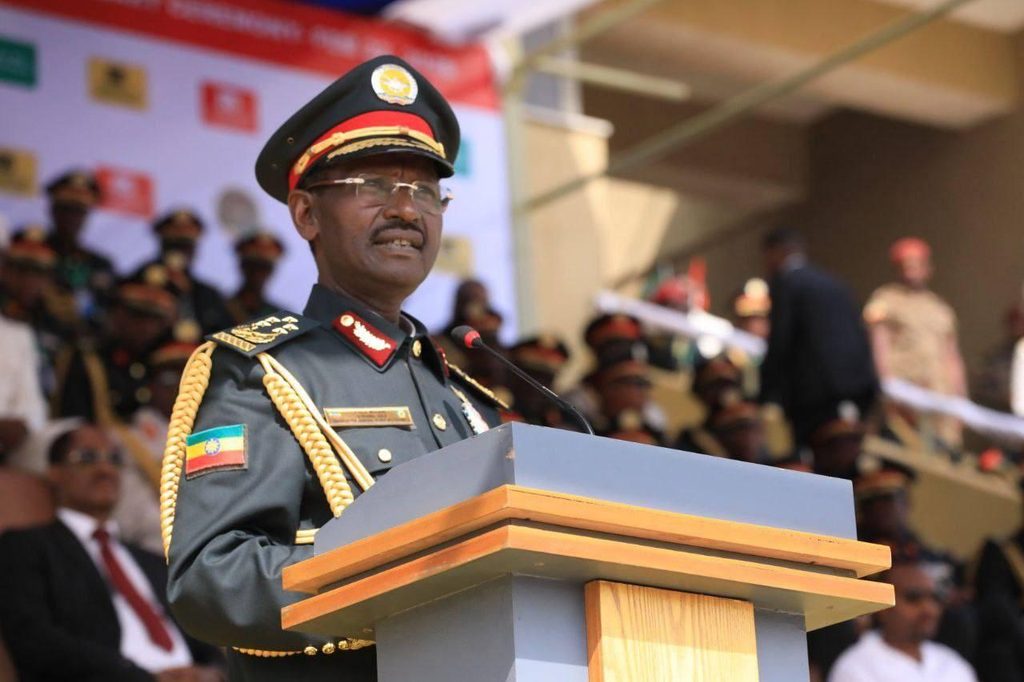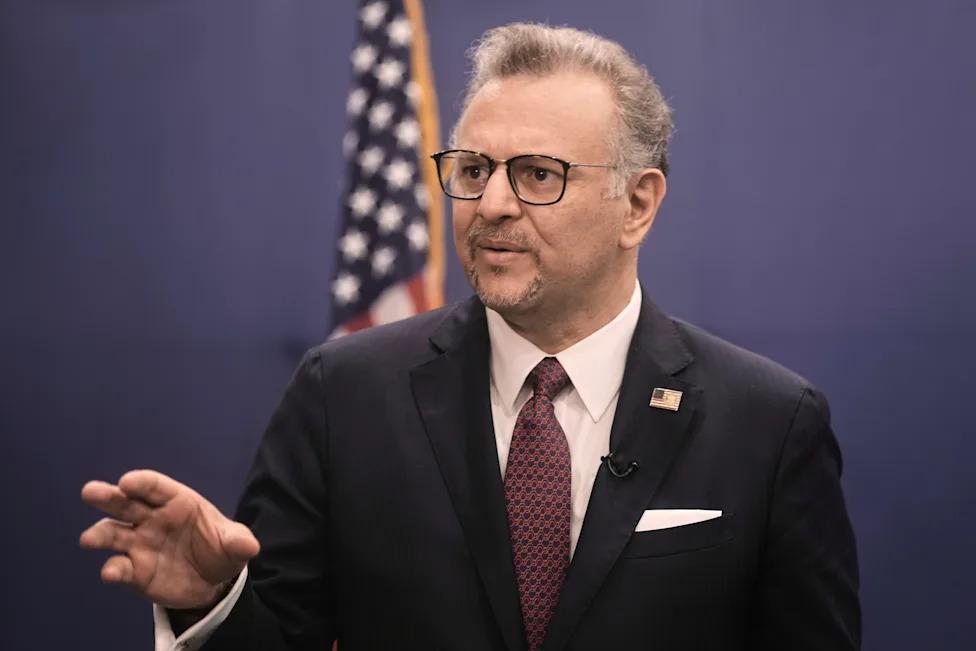
Washington withheld a visa from Sudanese army chief Abdel Fattah al-Burhan to signal its dissatisfaction with the military leadership’s position on ending the war, US presidential adviser Massad Boulos told The National.
The decision prevented Burhan from attending the UN General Assembly’s high-level debate in New York and formed part of a broader US effort to pressure Sudan’s warring parties through sanctions, restrictions on weapons supplies and possible measures targeting gold revenues.
“We don’t have Gen Al Burhan in New York,” Boulos said, describing his absence as a deliberate diplomatic signal.
Boulos, President Donald Trump’s senior adviser for Arab and African affairs, said Washington remained in contact with both the Sudanese Armed Forces (SAF) and the Rapid Support Forces (RSF). He accused both sides of prolonging the conflict because they still believed they could win militarily.
The US approach combines pressure on the combatants with support for a civilian political process intended to lead to a civilian-led government, he said.
That process builds on principles agreed at an April conference in Berlin, which brought Sudanese civilian groups into a structured forum on the country’s future.
Boulos urged support for mediation by the Quintet, comprising the African Union, the Intergovernmental Authority on Development, the Arab League, the European Union and the United Nations.
He said an inclusive dialogue owned and led by Sudanese civilians should shape a political settlement, after which international partners would work with the warring parties to secure a transition.
However, he accused the armed actors of failing to engage sincerely, underscoring the difficulties facing diplomatic efforts.
Washington is also seeking to widen the existing UN arms embargo on Darfur to restrict foreign military support reaching both sides across Sudan.
According to The National, the US worked with Britain and other Security Council members on a draft resolution this month before accepting a one-month extension of the existing restrictions to allow further negotiations. France has also backed expanding the embargo.
Boulos argued that the roughly two-decade-old restrictions no longer reflected the nature of the war, particularly the growing role of drones.
He said Washington was engaging other Security Council members to secure agreement but would consider alternative measures with its allies if the proposal failed.
Among those options are steps addressing the gold trade, which Boulos identified as a source of financing for the conflict. He said discussions were under way with Britain and European partners, without announcing specific restrictions.
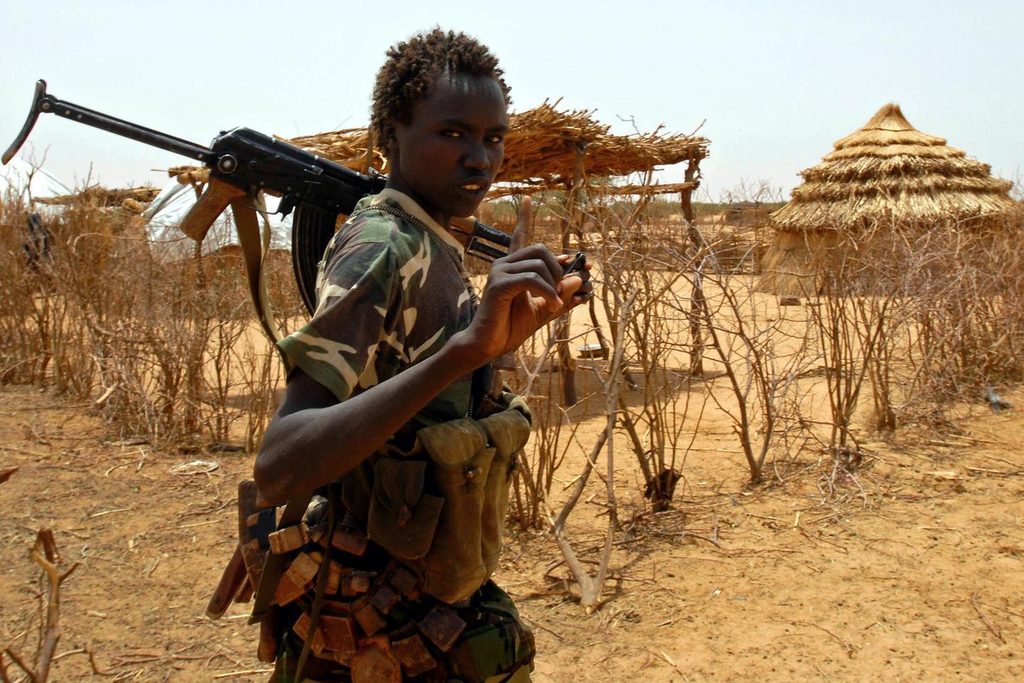
The push for tighter controls follows findings by a UN fact-finding mission documenting foreign support for the RSF and the army’s use of foreign-supplied weapons in attacks that harmed civilians, The National reported.
Boulos presented the visa decision, proposed arms restrictions and discussions over gold revenues as parts of an expanding pressure campaign aimed at changing the calculations of Sudan’s military rivals and advancing a negotiated end to the war.