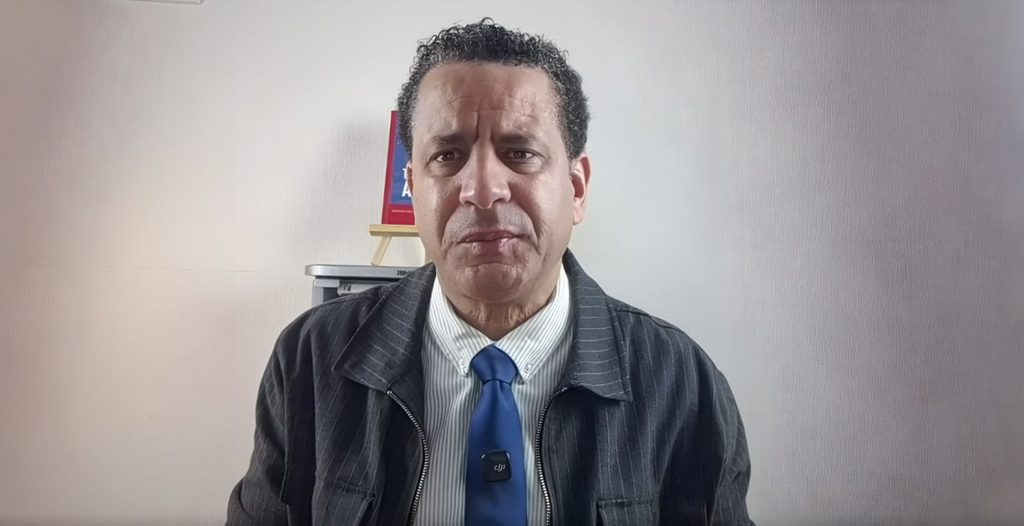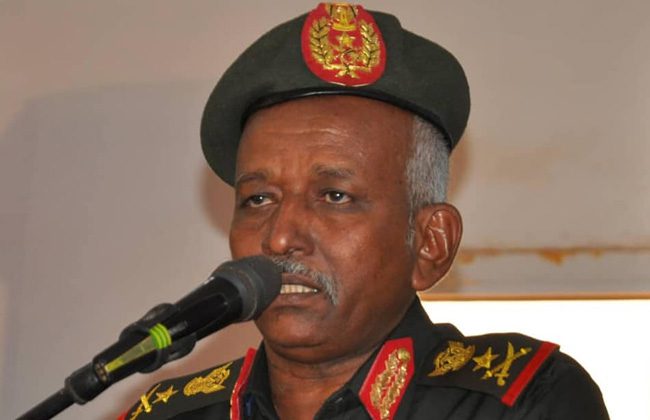
Former Sudanese Deputy Chief of Staff Lt. Gen. Monour Osman Naqd has alleged that officers who opposed the return of the former ruling National Congress Party were systematically removed from the military before the outbreak of Sudan’s war.
Speaking to local media outlet Eskay Sudan, Naqd said a group of senior officers warned the military leadership in August 2022 against allowing the Sudanese Islamic Movement to regain control through the armed forces, urging instead that power be handed over to civilians. He said those warnings were ignored and the officers involved were later forced into retirement.
“We advised the leadership on August 24, 2022, to hand power to the people and stop attempts to restore the National Congress regime through the military institution,” Naqd said. “Instead, we were retired and officers loyal to the Islamic Movement were promoted.”
Naqd, who previously served as deputy chief of staff, accused Islamist-aligned figures of carrying out a systematic campaign to remove officers who rejected their influence within the military establishment.
He said officers who opposed the return of the former regime were either directly or indirectly sidelined, while individuals known for their loyalty to the Islamic Movement advanced through the ranks.
“We and several other officers were forced into retirement because we rejected the return of the National Congress system,” he said.
Naqd argued that the military lost voices advocating political compromise and civilian transition during a critical period leading up to the conflict. He added that the continued dominance of Islamist currents within the military decision-making structure helped deepen Sudan’s political and security crisis.
In one of his strongest remarks, Naqd claimed Sudan’s current war could have been avoided had officers calling for a political settlement not been removed from service.
“Had we not been retired, our country would not have witnessed a war like this,” he said.
His comments come amid growing debate over the role of former regime figures and Islamist networks in influencing Sudan’s military leadership and the course of the ongoing conflict.
Observers say the remarks revive long-standing questions over Islamist influence within General al-Burhan’s army and its impact on Sudan’s stalled political transition following the Oct. 25, 2021 measures that ultimately preceded the outbreak of war in April 2023.