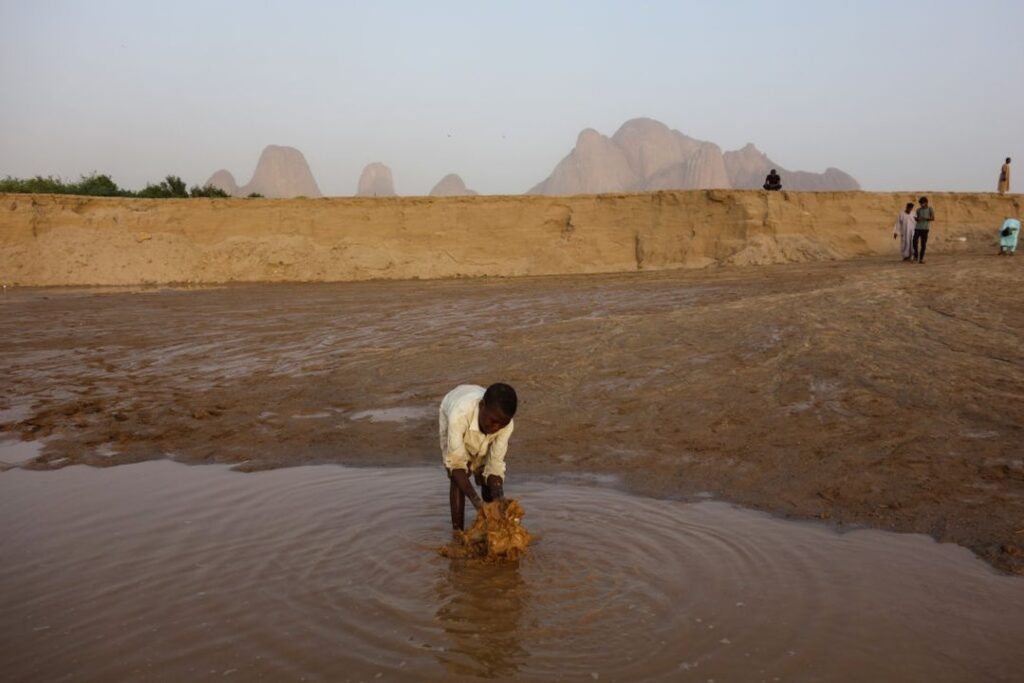
The Blue Nile’s turbidity has climbed to a record 2,880 NTU, raising environmental concerns across Sudan.
The reading is the highest sediment concentration recorded since the Grand Ethiopian Renaissance Dam was built.
The river’s muddy waters have become nearly three times denser than last year’s peak level of 990 NTU.
Engineers at the Greater Madani Water Purification Station activated a 24-hour emergency response to manage the situation.
Technical teams are working around the clock to ensure drinking water continues to meet safety standards.
The Gezira State Water Authority said chemical treatment levels are being continuously adjusted to protect public health.
The sharp increase in sediment adds to long-running tensions between Ethiopia, Sudan and Egypt over the sharing and management of Nile waters.
Sudan and Egypt continue to call for a legally binding agreement on the dam’s operation, while Ethiopia insists the project does not harm downstream countries.
Residents are increasingly concerned that growing silt deposits could damage downstream infrastructure and reduce agricultural productivity in the future.