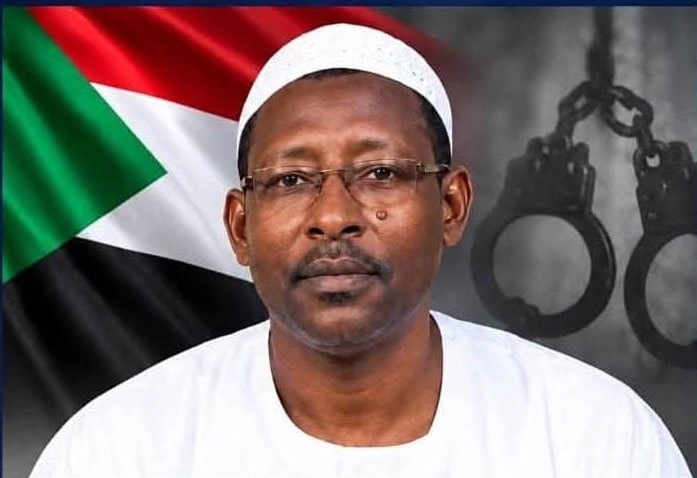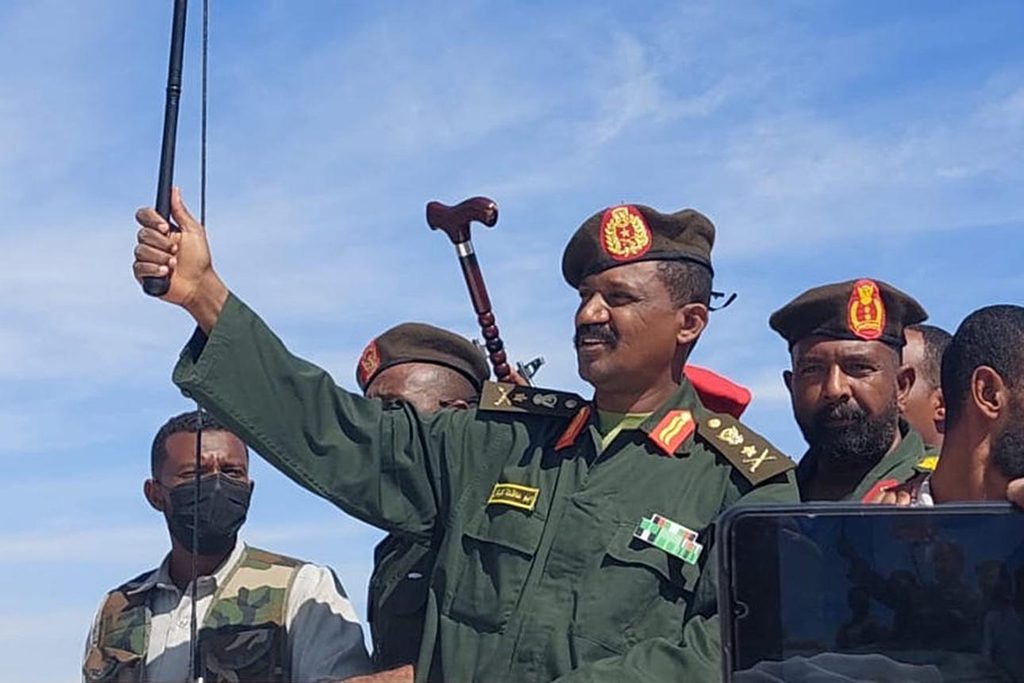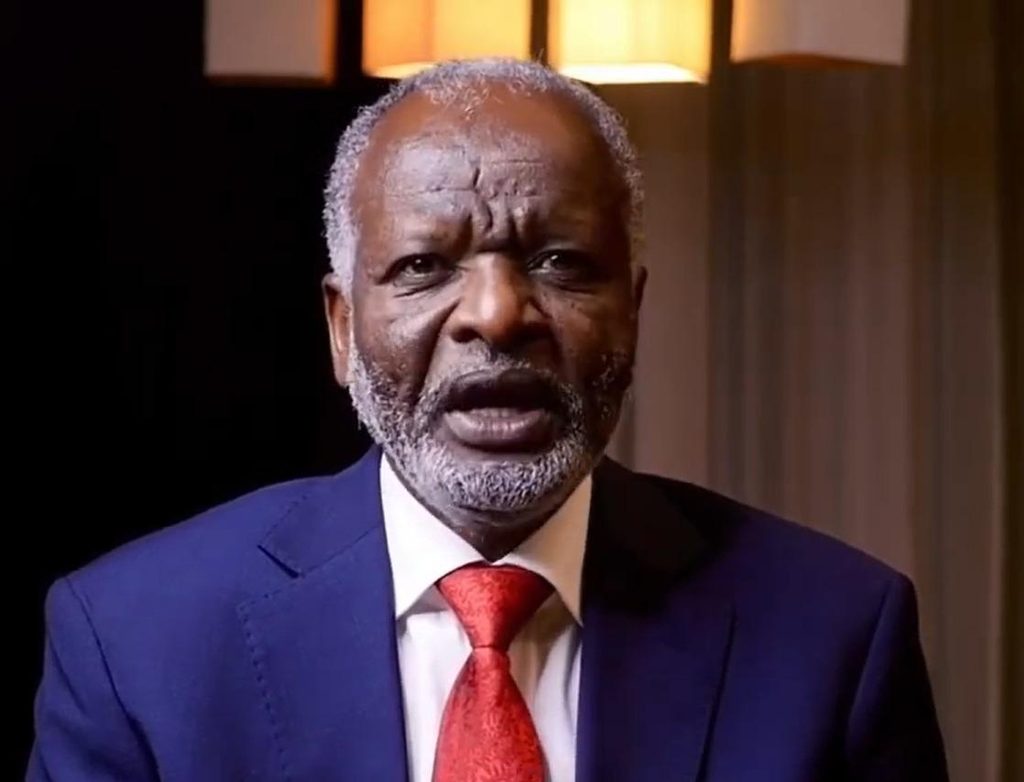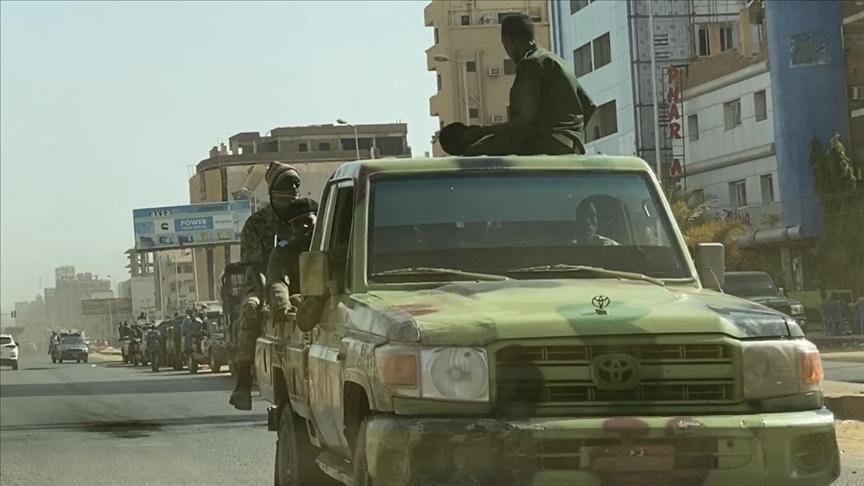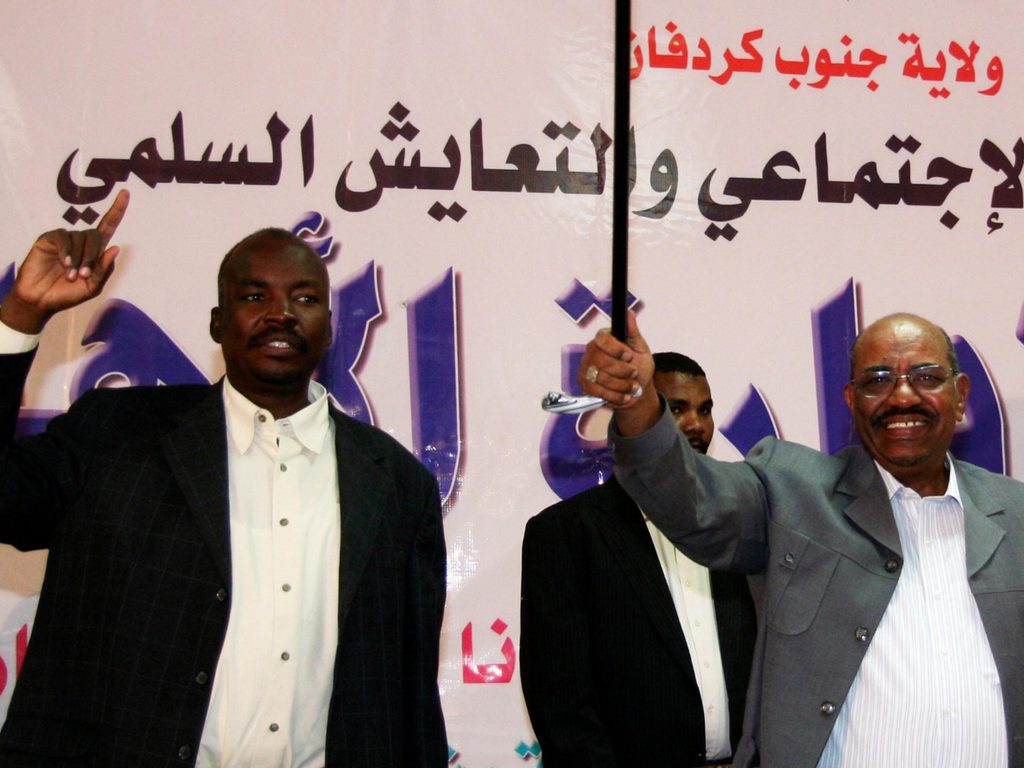
The continued failure to surrender former Sudanese President Omar al-Bashir and senior Islamist leader Ahmed Haroun to the International Criminal Court (ICC) has renewed scrutiny of the relationship between Sudan’s military leadership and remnants of the former Islamist regime.
Sudanese analysts say overlapping political and security interests between army chief Abdel Fattah al-Burhan and Muslim Brotherhood-linked networks have created a system of mutual protection that undermines international accountability.
Political analyst and journalist Kambal Abdel Wahid told Al-Ain News that Islamist networks embedded themselves within Sudan’s judicial and prosecutorial institutions during three decades of Bashir’s rule.
Their influence was reinforced by decisions following the October 2021 military coup that reinstated previously dismissed Islamist officials.
Abdel Wahid argued that the fate of internationally wanted figures had become a bargaining chip between the military leadership and the Islamist movement.
Under this alleged arrangement, Islamist networks provide Burhan with political backing to sustain military rule in exchange for protection against international prosecution.
Haroun, a senior figure in the dissolved National Congress Party (NCP), faces 42 counts of war crimes and crimes against humanity over atrocities committed in Darfur.
Although the US Embassy in Khartoum confirmed his arrest on Wednesday, the SAF government has yet to announce plans to surrender him to the ICC.
His recent appearance in a four-hour interview, during which he defended his party’s support for the war and advocated continued military rule, highlighted the political space still available to former regime figures.
Bashir, meanwhile, remains wanted under two ICC arrest warrants issued in 2009 and 2010 on charges including genocide.
Osman Abdel Rahman Suleiman, spokesperson for the United Civil Forces coalition, known as Qimam, said the Islamist movement was exploiting the war to regain influence within Sudan’s decision-making institutions.
He warned that the military’s alliance with Islamist-linked armed groups was undermining prospects for peace and democratic transition.
A petition issued on November 17 by Sudanese civil society organisations and human rights advocates called for renewed international pressure on the SAF government to surrender both men.