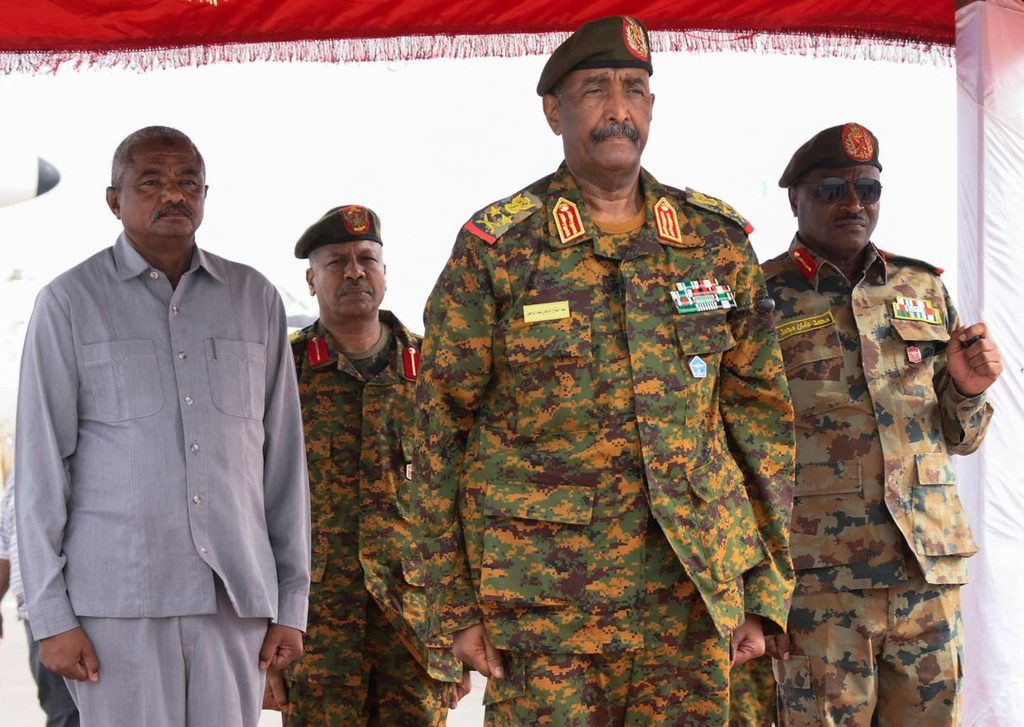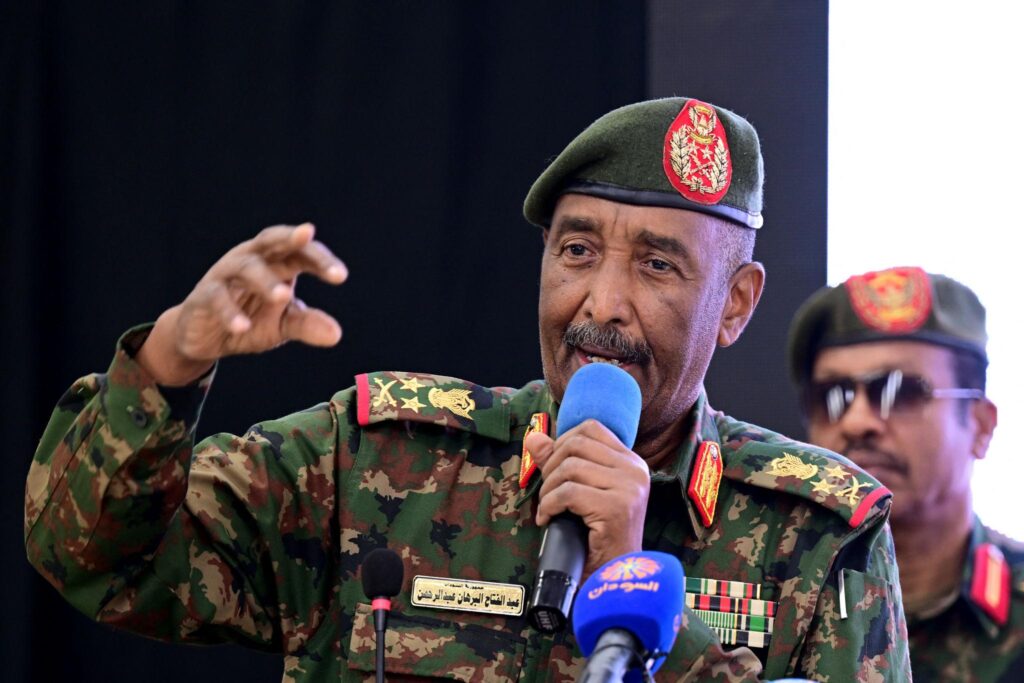
He said Burhan, the Muslim Brotherhood and the broader Islamist movement opposed any meaningful role for civilian forces and were therefore seeking to extend the war in order to restore their influence over the state.
Nourain alleged that the Port Sudan authorities were recruiting and training militants in neighbouring African countries to conduct hostile and destabilising operations aimed at keeping the conflict alive.
He also accused the administration of exploiting Sudan’s resources to finance the war, obstructing political initiatives and continuing to pursue a military solution despite the humanitarian consequences.
The analyst said the conduct of the Port Sudan authorities had become increasingly unacceptable both domestically and internationally, amid allegations that civilians had been killed in drone strikes and air raids carried out by Burhan’s forces.
He argued that Burhan and the Islamist movement were unlikely to secure a decisive battlefield victory or establish exclusive control over Sudan, particularly as international scrutiny of alleged war crimes and crimes against humanity intensifies.
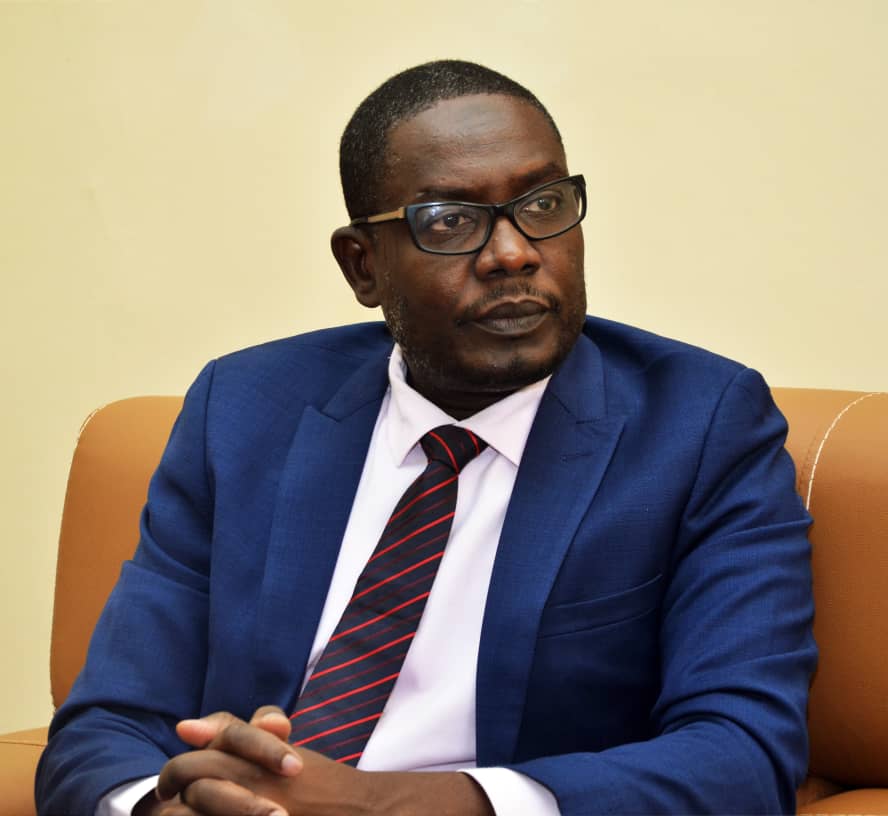
Political writer and analyst Ihab Madbou said some military leaders, particularly Burhan, continued to view armed conflict as a means of securing political and territorial gains despite more than three years of war and unprecedented humanitarian and economic devastation.
Madbou said Burhan’s continued reliance on military escalation had contributed to widespread abuses, the collapse of state institutions, the displacement of millions of Sudanese and the country’s worsening economic and diplomatic isolation.
He warned that the continuation of the war risked deepening social divisions, particularly as Islamist groups continued to promote inflammatory and hate-filled rhetoric.
The conflict also threatened to accelerate the fragmentation of the Sudanese state and prolong the suffering of civilians, he added.
Madbou said regional and international pressure on Burhan was increasing because of his resistance to political initiatives that could secure a ceasefire and open the way for a comprehensive settlement excluding the Muslim Brotherhood from Sudan’s future political order.