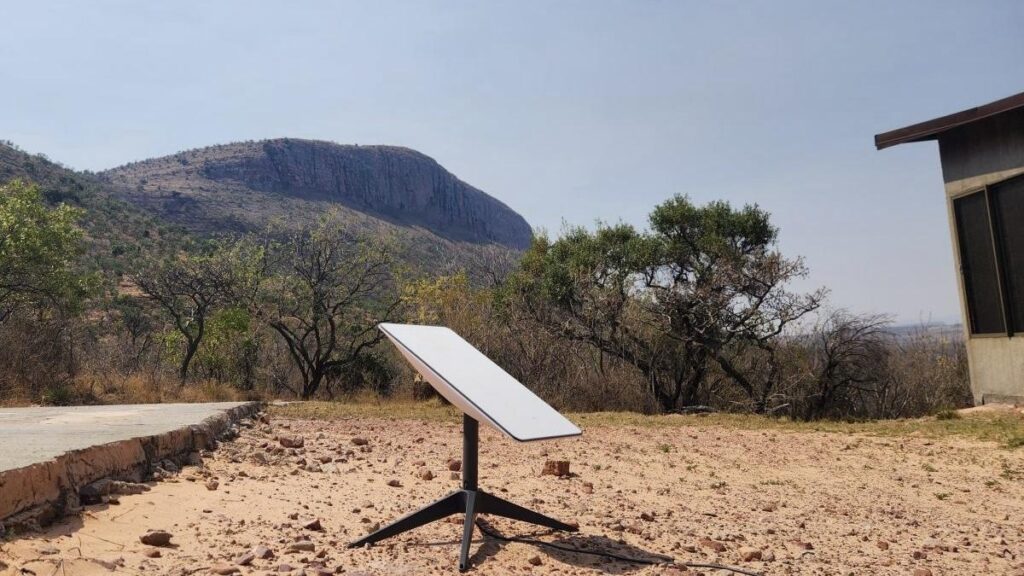
Traders and traditional miners in the gold-producing town of Singo, located around 286 kilometres south of Nyala in South Darfur’s Al-Radom locality, have warned that continued restrictions on the use of Starlink satellite internet devices at mining sites are severely disrupting commercial activity and financial transactions.
The restrictions followed air strikes targeting the headquarters of Al-Junaid Company — reportedly linked to the RSF — at the Agbash gold mine earlier this month.
A local trader told Darfur24 on Monday that the prolonged closure of Starlink outlets had effectively paralysed commercial activity across mining markets, with money transfers largely halted except for limited transactions reportedly carried out through RSF intelligence offices.
Another trader said the ongoing internet shutdown had also cut off access to gold price information from Nyala and other cities, complicating trade operations and pricing decisions.
He added that RSF authorities occasionally permit internet access for around ten minutes at night to allow traders to conduct transactions and transfer funds.
“The time is neither enough nor suitable,” the trader said.
A miner speaking to Darfur24 said transaction fees on the Bankak mobile banking application had surged from around 17% to between 23% and 25% following the closure of satellite internet centres, as cash liquidity shortages worsened.
He added that many miners and traders had already left the Agbash mine for other mining areas due to repeated air strikes and tighter restrictions imposed on workers and miners operating at the site.
Earlier this month, drones believed to belong to General al-Burhan’s SAF carried out several strikes on Al-Junaid facilities at the Agbash mine, leading to a suspension of operations at the site.
The restrictions underscore the growing reliance of remote gold mining areas in Darfur on satellite internet services for trade, communications and financial transfers, amid limited banking infrastructure and ongoing conflict disruptions.