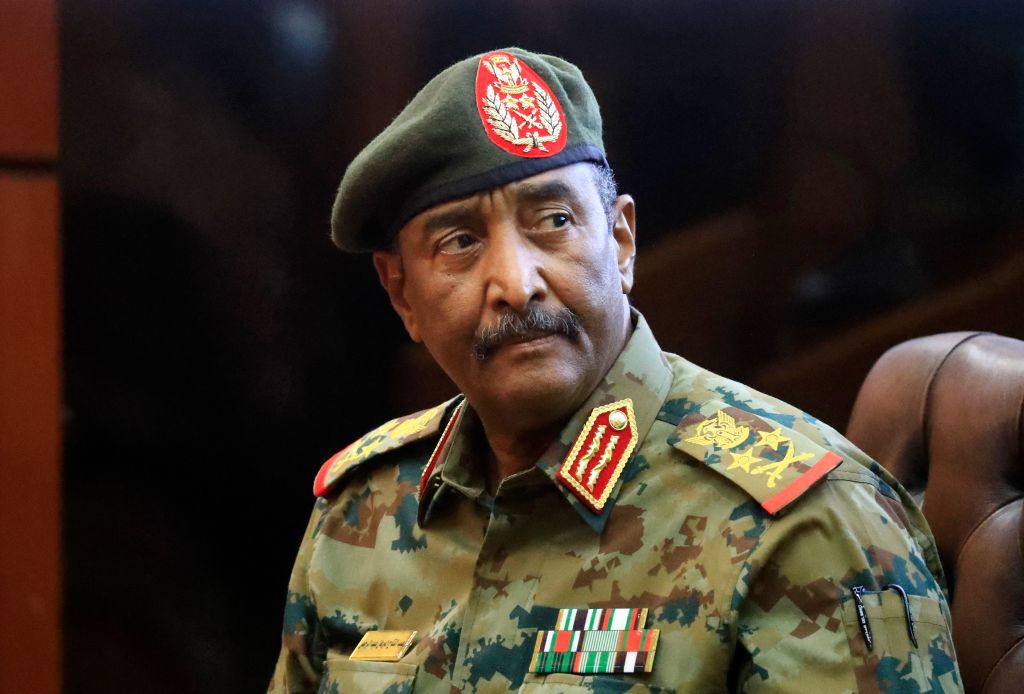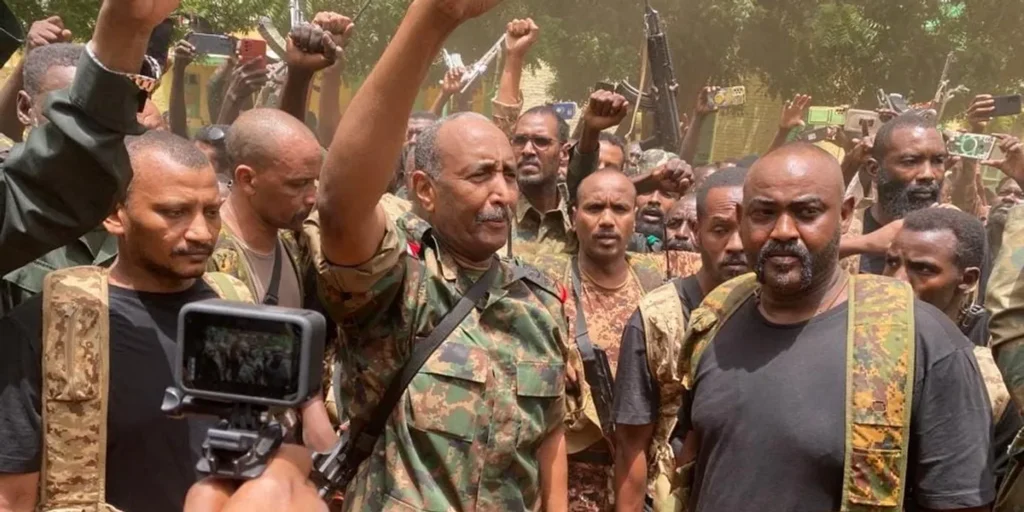
The Financial Times has warned that Islamist factions are gaining influence within General Abdel Fattah al Burhan’s army as the country’s devastating war continues to deepen.
According to the report, the conflict has expanded beyond a fight between Burhan’s army and the Rapid Support Forces into a broader struggle over political power and Sudan’s future direction.
The newspaper said Burhan’s army’s recapture of Khartoum in early 2025 strengthened Islamist groups fighting alongside military forces in the capital.
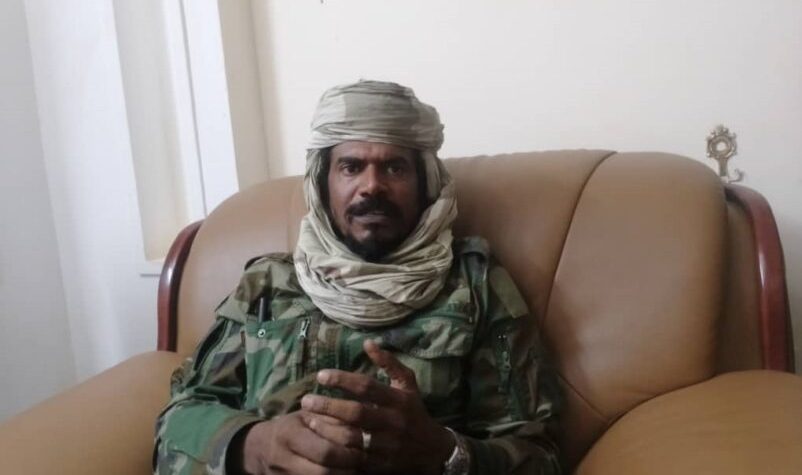
Among the most prominent was the al-Bara’ bin Malik Brigade, which the report described as a key force in battles against the Rapid Support Forces.
Its growing battlefield role has reportedly increased its influence within military and security circles close to Burhan.
A former military intelligence officer told the newspaper that Burhan’s army still functions as a “partisan army” shaped by Islamist loyalties.
The report added that many officers were historically recruited through networks linked to the Muslim Brotherhood, whose influence is said to remain deeply rooted in state institutions.
The Financial Times linked the resurgence of Islamist factions to mounting concern in Washington and Gulf capitals over Sudan’s political trajectory.
Fears have also grown over alleged Iranian ties with armed groups and the possible return of figures associated with Sudan’s former Islamist regime.
The United States has imposed sanctions on individuals and entities linked to Sudan’s Islamist movement, reflecting international concern over the direction of the war.
According to the report, Burhan faces mounting pressure as he attempts to balance the search for international legitimacy with reliance on Islamist factions supporting military operations.
Analysts warned that a complete military victory could allow former regime figures to regain influence in Sudan’s deeply divided political landscape.
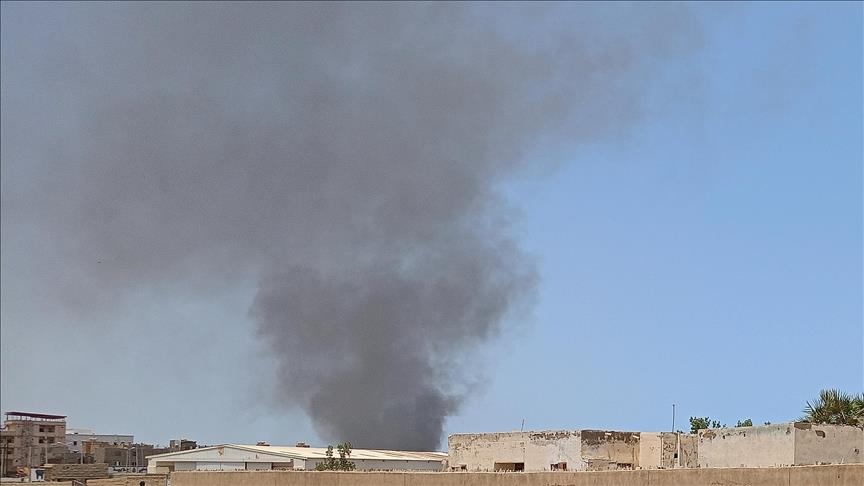
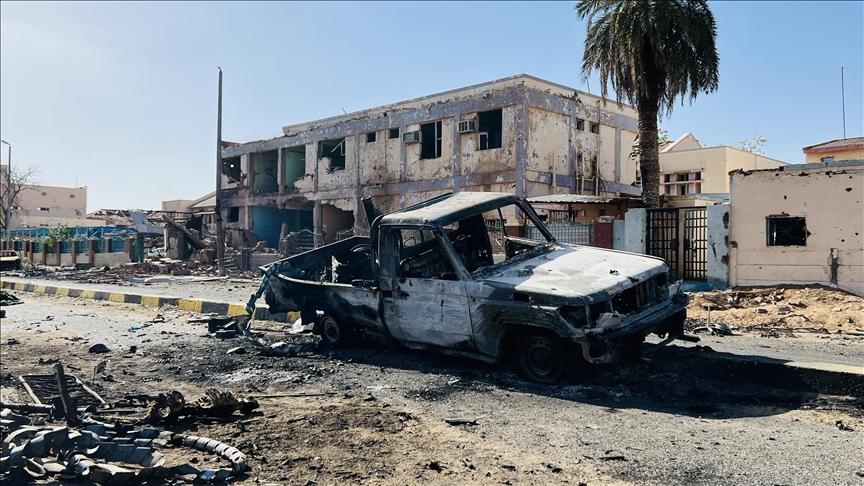
Now entering its fourth year, the war has devastated cities across Sudan, leaving widespread destruction from drones, heavy weapons and mass displacement.
The United Nations has described the crisis as the world’s worst humanitarian disaster, with millions displaced and tens of thousands killed.