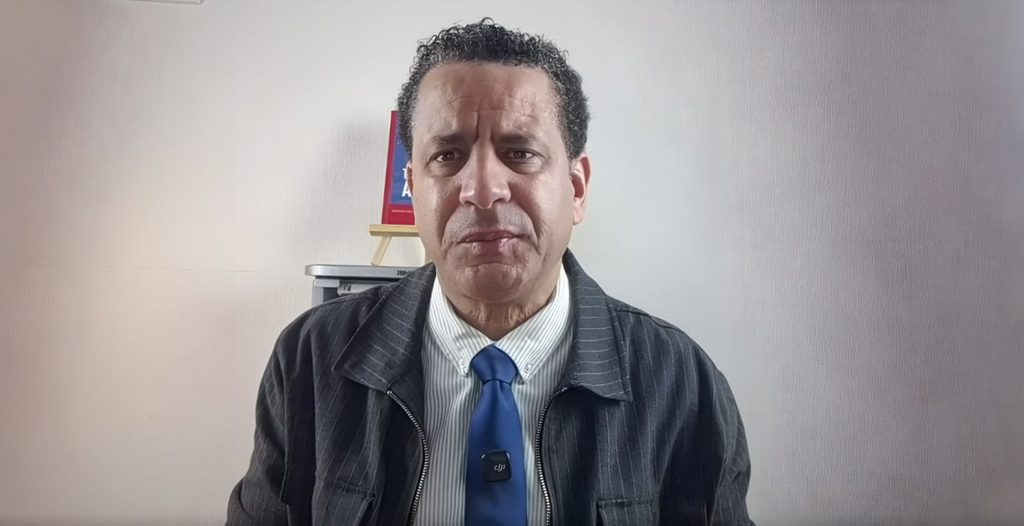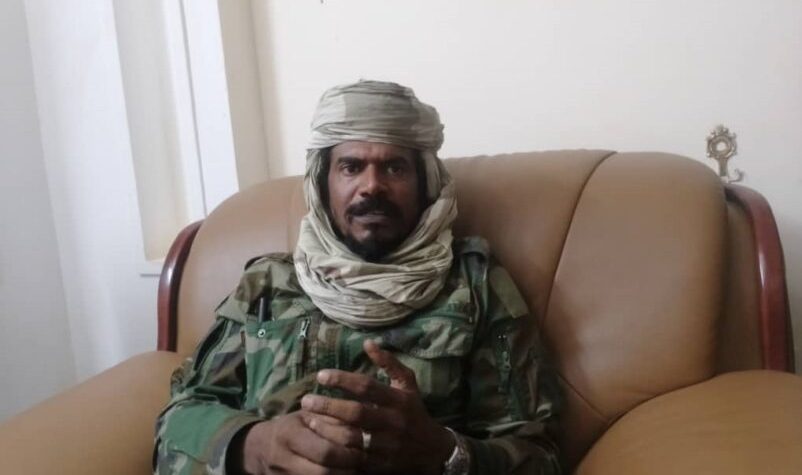
A leaked video allegedly showing former Rapid Support Forces field commander Ali Rizqallah, widely known as “al-Savana,” has raised serious questions over whether regional actors are helping extract, shelter and redirect Sudanese field commanders from the RSF into forces aligned with General Abdel Fattah al-Burhan’s SAF.
The footage, circulated by Sudanese media platforms and on social media, is said to show al-Savana speaking from Saudi Arabia about arrangements linked to his return to Sudan, including claims of logistical and financial support for him and elements aligned with him.
The contents of the video could not be independently verified.
But the allegations surrounding it go beyond a simple defection. They point to what Sudanese commentators describe as a wider pipeline: removing selected commanders from the RSF, hosting them outside Sudan while controversy fades, and later reinserting them into the conflict through SAF-aligned channels.
According to the circulated material, the recording refers to al-Savana’s residence in Saudi Arabia and alleges that external parties were involved in facilitating the movement of commanders who had broken away from the RSF.
The video also includes claims involving other field figures, raising wider concerns over the possible expansion of regional involvement in Sudan’s war.
Al-Savana, a controversial commander accused by opponents of involvement in serious abuses in Sudan, appears in the leaked call while speaking to one of his associates who had reportedly reached Khartoum ahead of him.
The recording allegedly shows him near Saudi Arabia’s Interior Ministry in Riyadh and refers to his stay at the InterContinental Hotel, located opposite the ministry. In the call, he reportedly says that “Abu Aqaal” was with him, a remark that Sudanese outlets interpreted as pointing to coordination around the defections.
For critics, the most serious implication is not only that al-Savana may have defected from the RSF, but that he was allegedly being protected and managed outside Sudan before a possible return to the battlefield.
That would fit a broader pattern feared by Sudanese observers: notorious commanders are removed from public view, given time and cover abroad, then recycled into new military formations once the political cost of their return becomes easier to manage.
The leaked material has been used by critics to accuse Saudi-linked actors of playing a direct role in arranging the return of defected Sudanese commanders. However, no official Saudi statement has confirmed the allegations, and no independent evidence has yet established the full circumstances of the video or the arrangements described in it.
During the call, al-Savana allegedly warns the person he is speaking with not to disclose that he is in Saudi Arabia, saying that public knowledge of his presence there would cause a “major problem.”
Sudanese commentators who circulated the video said the warning suggests that the operation was intended to remain secret, particularly because some of the figures involved have been accused of involvement in killings, looting and war crimes in areas including El Geneina, El Nahud and El Fasher.
The language used in the video, if authentic, also suggests that the process is not limited to individual battlefield defections. Instead, it points to an organized effort to manage the movement, image and timing of controversial commanders as the war enters a more fragmented phase.
This matters because Sudan’s war is increasingly being shaped by defections, militia realignments and foreign sponsorship. The ability to move commanders between camps, protect them during periods of public backlash and reintroduce them later could alter the balance of power on the ground.
It also risks deepening impunity. Figures accused of grave abuses may avoid accountability by shifting allegiance, finding temporary protection abroad and returning under a new military banner.
The allegations come amid growing scrutiny of regional involvement in Sudan’s conflict, where outside powers have been accused by different sides of backing rival military actors, financing armed groups or using local commanders to shape the course of the war.
The war, now in its fourth year, has devastated Sudan, killed tens of thousands and displaced millions. It has also created a fractured military landscape in which loyalty is often transactional and armed commanders can be repackaged as useful allies despite their records.
For Sudanese observers, the leaked video is likely to deepen suspicions that the war is being prolonged not only by the country’s rival armed factions, but also by regional calculations that continue to fuel the conflict behind the scenes.