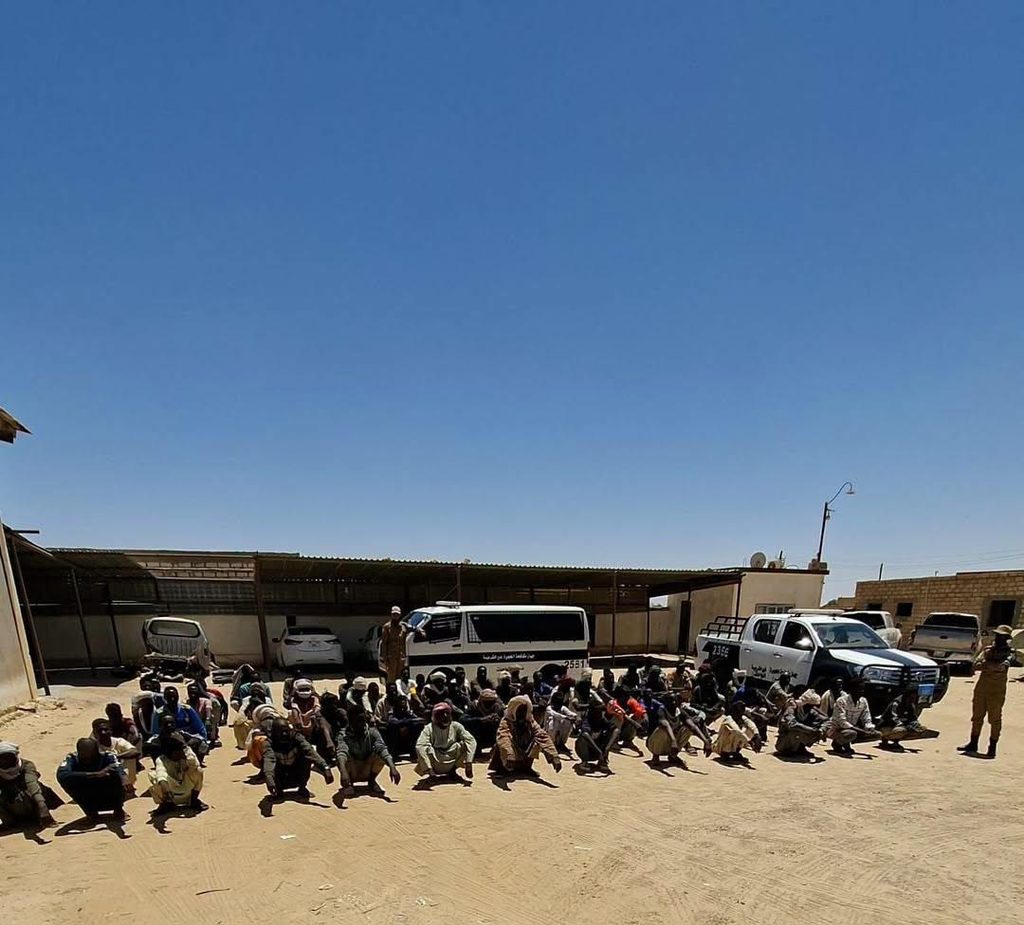
Libyan authorities have detained 37 migrants, including 27 Sudanese and 10 Chadian nationals, after intercepting them on a desert route in the country’s southeastern region, officials said.
Libya’s Anti-Illegal Migration Agency said the group was apprehended southwest of the city of Jalu by members of the Petroleum Facilities Guard while allegedly attempting to enter Libyan territory without authorization.
The agency’s Al-Wahat branch subsequently took custody of the migrants, according to a statement reported by local Libyan media on Monday.
Officials said the operation formed part of broader security measures aimed at tightening surveillance along remote desert routes and preventing irregular border crossings.
The agency said the operation was conducted in coordination with military and security units responsible for monitoring the region.
Authorities did not immediately provide details about the detainees’ circumstances, whether any had requested asylum or what measures would follow their detention.
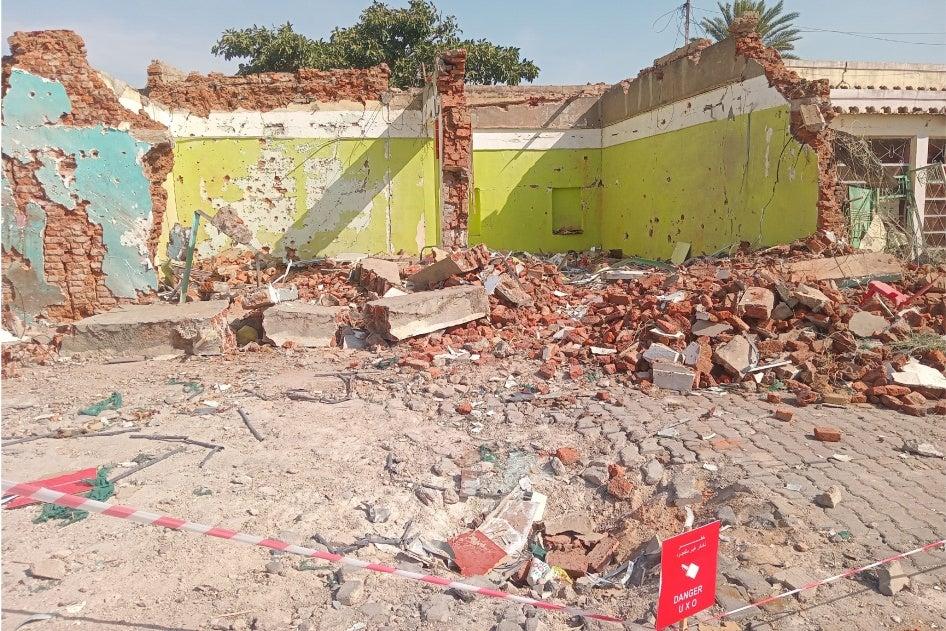
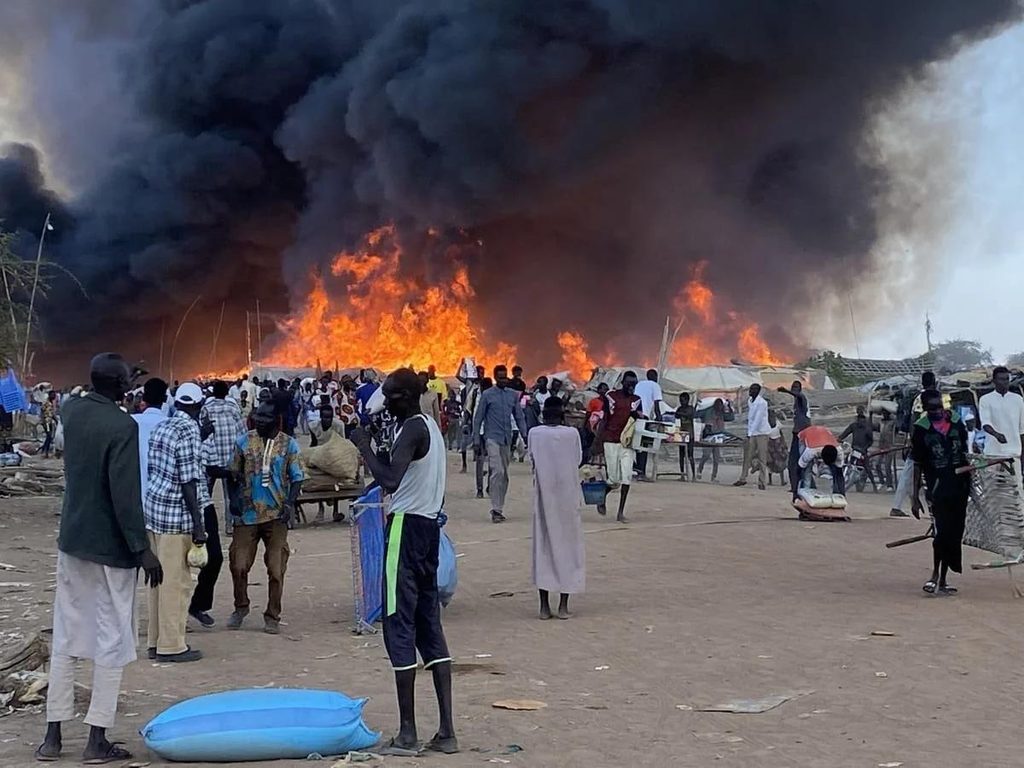
The incident comes amid continued displacement from neighbouring Sudan, where a devastating conflict between the Sudanese Armed Forces (SAF) and the Rapid Support Forces (RSF) has forced millions of civilians from their homes.
Libya has become a major destination for Sudanese fleeing the fighting, with displaced families settling in cities including Kufra, Benghazi, Ajdabiya, Misrata and Tripoli.
According to the United Nations refugee agency (UNHCR), 93,581 Sudanese refugees and asylum seekers were registered with the agency in Libya as of October 1, 2026. The actual Sudanese refugee population is considerably larger, as many arrivals remain outside the formal registration system.
The UNHCR’s regional response planning figures estimated that Libya was hosting approximately 538,000 Sudanese refugees at the end of 2025, highlighting the scale of displacement caused by Sudan’s continuing war.
The latest detentions underscore the challenges facing Sudanese civilians seeking safety across the country’s western borders, where desert crossings remain dangerous and migrants face heightened security restrictions.