A drone strike blamed on the Sudanese Armed Forces (SAF) has killed at least 153 people at a crowded market in the disputed Abyei region, local authorities said on Tuesday, as rescue workers continued recovering bodies and thousands of residents fled the destruction.
Yohana Akol Ngor, Abyei’s caretaker information minister, told Reuters that the death toll from Monday’s attack had more than doubled from an earlier estimate of 73, warning that further fatalities were likely as fires continued burning through the market.
Ngor accused the SAF of carrying out the attack, which struck around midday on Monday, although he did not provide evidence establishing responsibility. Sudan’s military had not responded to Reuters’ request for comment.
Some victims were reportedly burned beyond recognition, complicating recovery efforts.
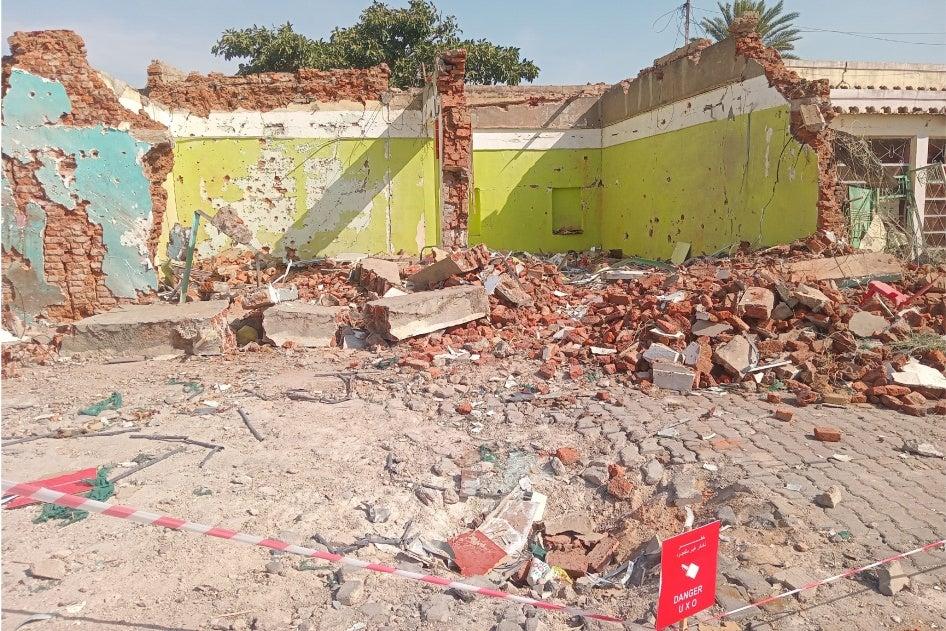
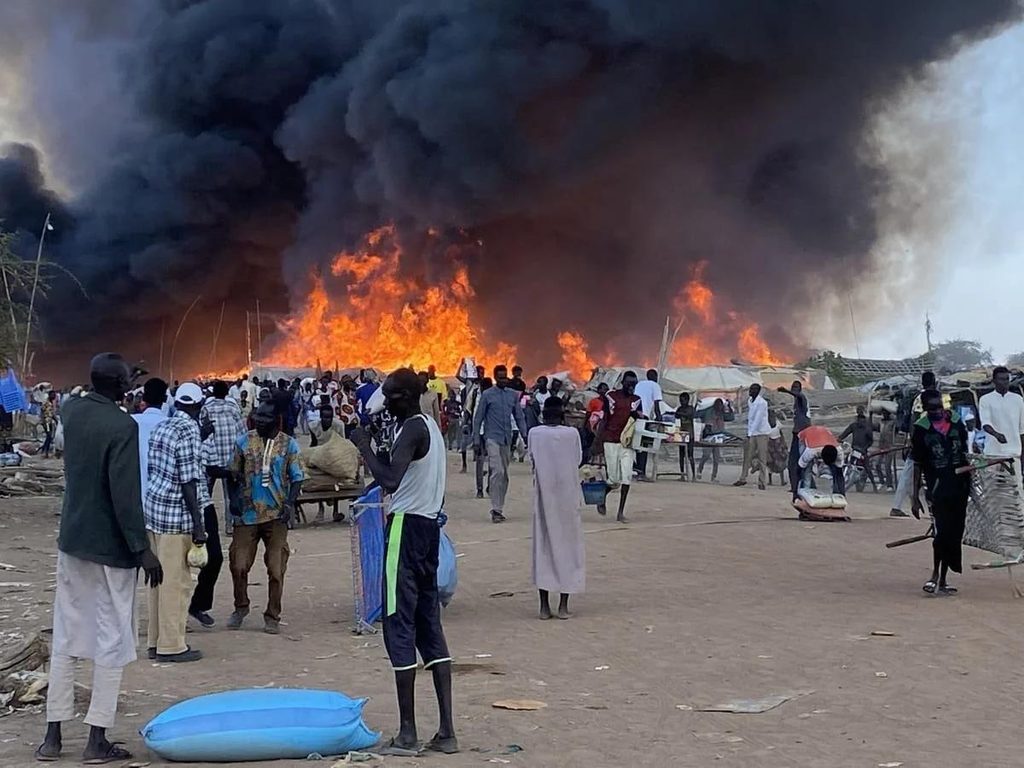
Video footage verified by Reuters showed charred vehicles, twisted metal and destroyed buildings, with flames still rising from parts of the market on Tuesday.
Local authorities estimated that approximately 8,000 people had been displaced by the bombing.
Witnesses describe devastation
An eyewitness said five powerful explosions rocked the market, igniting a fuel storage area and spreading flames through surrounding commercial facilities.
The witness described seeing 28 burned bodies at one location and civilians suffering severe shrapnel injuries.
The market was also used by traders transporting essential supplies, including flour, sugar and other food products, into Sudan.
The witness said there were no visible RSF fighters or other uniformed personnel at the market at the time of the attack.
Three diplomatic sources, an aid worker and a conflict expert told Reuters that the strike hit a fuel depot inside the market.
Diplomatic sources said the facility had previously been used to supply the Rapid Support Forces (RSF), although Reuters could not independently determine whether it was being used for military purposes when the attack occurred.
Abyei authorities denied that RSF fighters were present in the territory, contradicting allegations from officials in Sudan’s military-backed administration.
Hospitals overwhelmed by casualties
Medical charity Médecins Sans Frontières (MSF) said its teams were treating more than 20 wounded patients at Ameth Bek Hospital, including victims suffering from burns.
Emergency medical personnel provided surgery, wound treatment and other urgent care as the limited healthcare infrastructure struggled with the aftermath.
Photographs released by MSF showed injured patients receiving treatment on the hospital floor.
South Sudan protests SAF attack
South Sudan’s foreign ministry summoned Sudan’s ambassador on Monday to protest the deadly strike, raising diplomatic tensions over the expanding impact of Sudan’s civil war.
The United Nations strongly condemned the attacks in Abyei and elsewhere, warning that increasingly frequent drone operations were devastating civilian communities and critical infrastructure.
UN spokesperson Stéphane Dujarric expressed concern over the relentless aerial attacks and their impact on populations already suffering from more than three years of conflict.
The United Nations Interim Security Force for Abyei (UNISFA) previously warned that RSF activity in the disputed territory had heightened insecurity and placed civilians and peacekeepers at risk.
SAF drone campaign raises regional concerns
The Abyei bombing comes amid escalating drone warfare across Sudan, with recent strikes reported in RSF-held Nyala and around Khartoum International Airport, which remains under SAF control.
Sudanese rights organisation Emergency Lawyers reported dozens of civilian deaths from strikes in Al-Muglad, West Kordofan, on October 17 and 18, attributing the attacks to the Sudanese military.
On October 10, an airstrike near Sudan’s northern border with Egypt reportedly killed more than 70 artisanal gold miners, according to a local rights group.
Chadian authorities have also accused the SAF of conducting drone strikes inside their territory, raising concerns about the conflict spilling further into neighbouring countries.
Abyei, an oil-rich territory claimed by both Sudan and South Sudan, has remained disputed since South Sudan gained independence in 2011.
The latest bombing ranks among the deadliest attacks in the territory in years and underscores the growing threat to civilians as Sudan’s war increasingly extends beyond its established front lines.