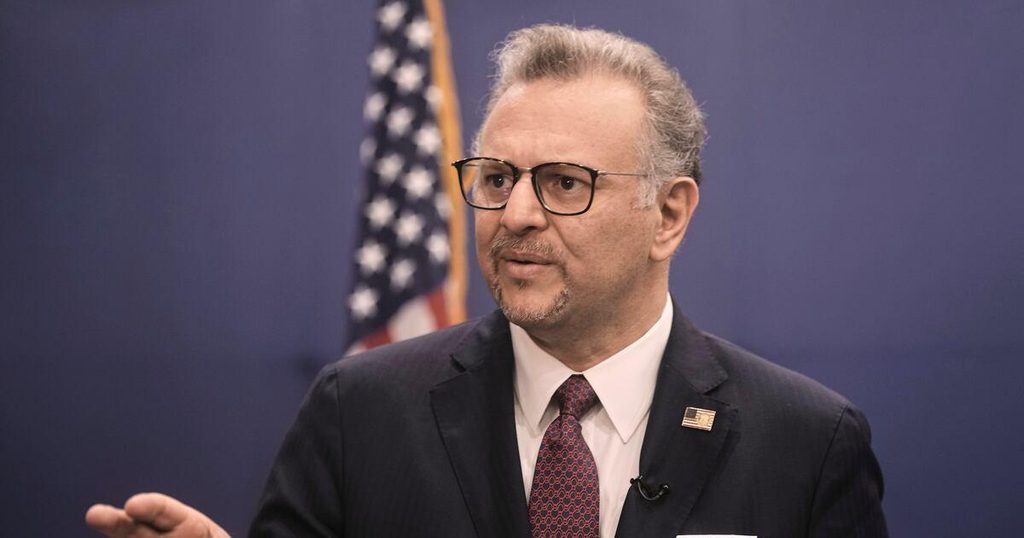
US President Donald Trump’s senior adviser for Arab and African affairs, Massad Boulos, has said a direct letter from Sudanese army chief Abdel Fattah al-Burhan to the American president will not alter Washington’s strategy for ending Sudan’s war.
Boulos said the United States would continue pursuing its existing diplomatic roadmap, including demands for an immediate humanitarian ceasefire between the Sudanese Armed Forces (SAF) and the Rapid Support Forces (RSF), according to Radio Dabanga on Tuesday.
His remarks came days after Burhan announced on October 15 that he had written to Trump expressing his willingness to cooperate with American-led efforts to secure a lasting settlement.
Despite that diplomatic overture, Washington appears unwilling to modify its approach or abandon its insistence that both warring parties agree to an urgent humanitarian truce.
The American initiative includes a proposed 90-day cessation of hostilities, intended to facilitate humanitarian assistance and establish the groundwork for a broader political process leading to civilian governance.
Burhan has previously resisted the US-backed ceasefire proposal, arguing against arrangements he considers externally imposed.
The dispute has strained relations between the Port Sudan military leadership and Washington, which has repeatedly emphasised that neither warring military faction represents legitimate constitutional authority in Sudan.
Political analyst and journalist Sohaib Hamed told Radio Dabanga that Burhan’s decision to appeal directly to Trump reflected his assessment of shifting regional and international circumstances.
Hamed suggested that economic pressures facing Washington, alongside domestic political considerations ahead of the US midterm elections, may have influenced the army chief’s calculations.
He also pointed to American strategic interests in the Red Sea, the Bab al-Mandab Strait and the wider Middle East as potential factors shaping regional diplomacy.
According to Hamed, previous changes in US sanctions policy toward Eritrea could encourage speculation about whether Washington might eventually consider a similar approach toward Sudan.
However, his assessment was speculative, and no new American commitment to lifting sanctions on Sudan was announced.
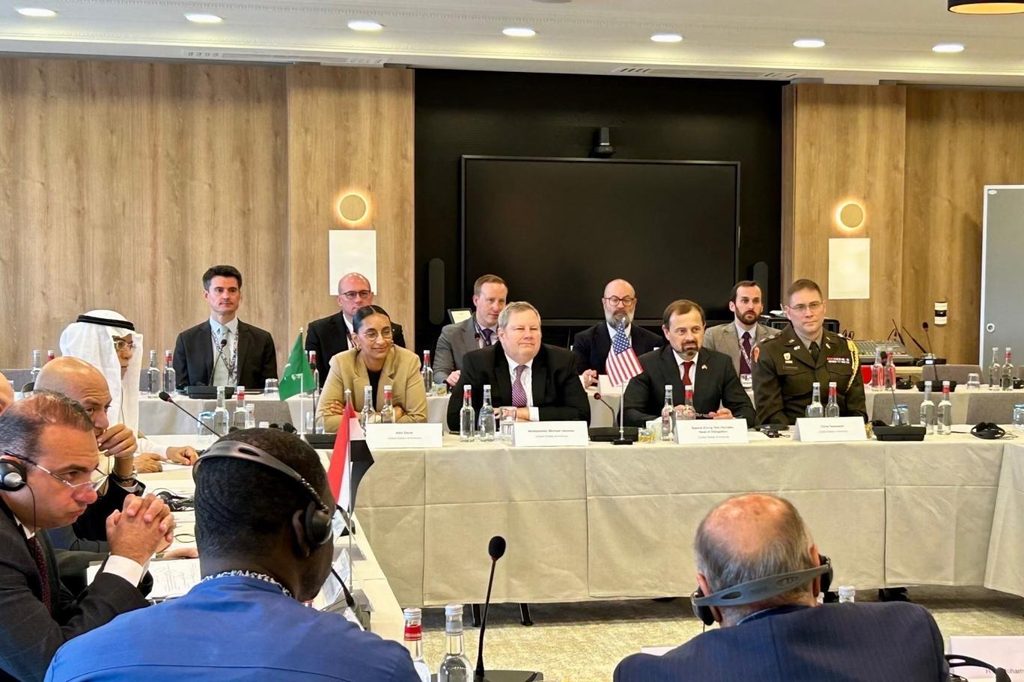
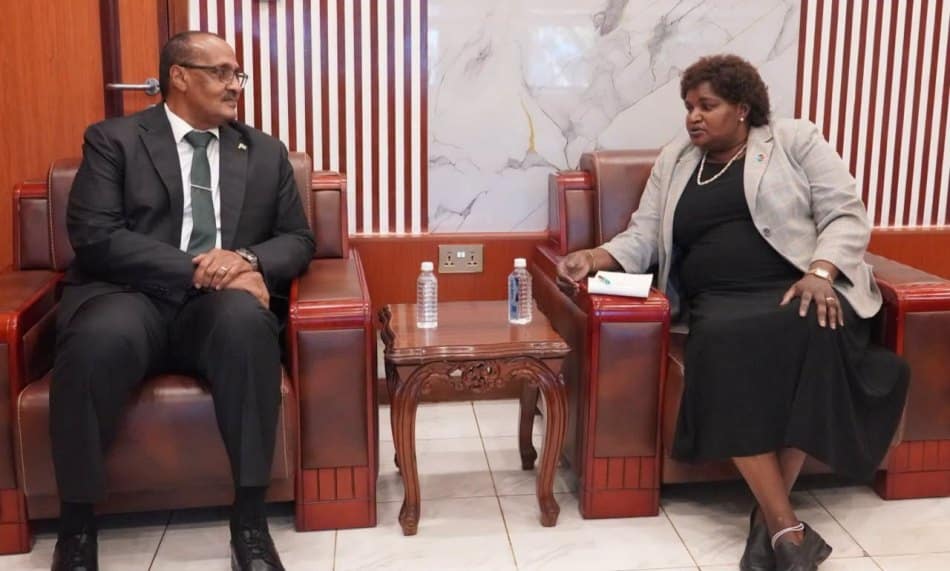
Burhan’s letter followed an earlier encounter with Boulos in Egypt this month, where the American adviser reaffirmed Washington’s commitment to a negotiated settlement and a transition toward civilian-led government.
The latest remarks suggest that while the United States remains willing to engage Sudan’s military leadership diplomatically, its fundamental conditions for ending the conflict remain unchanged.
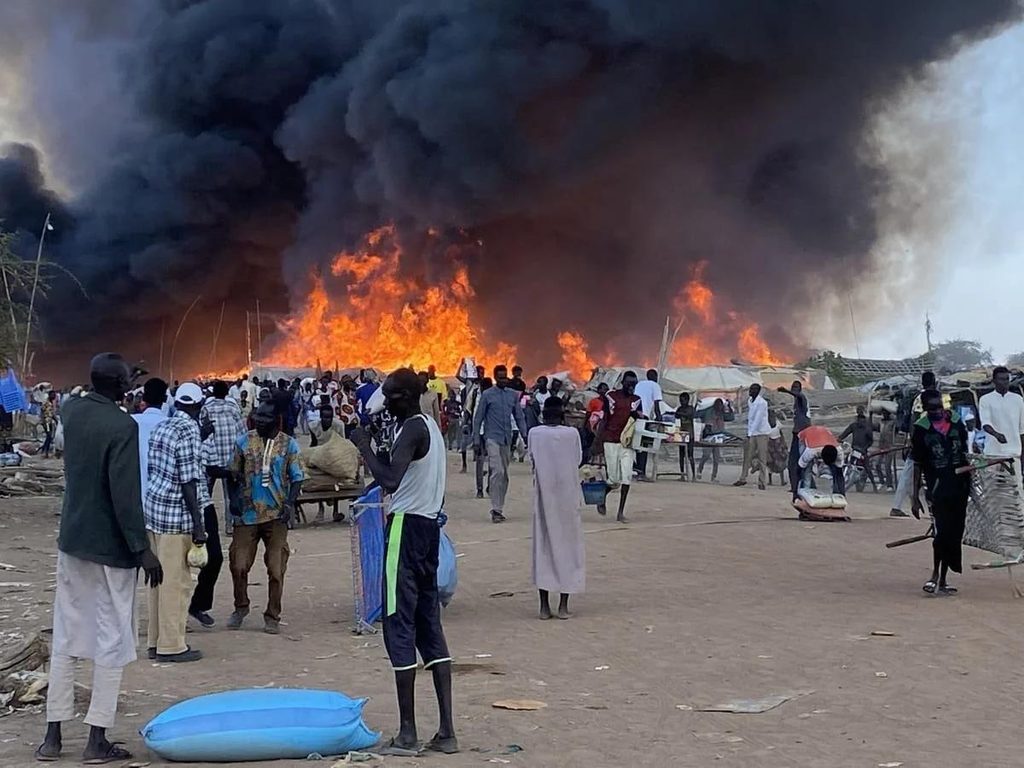
Sudan’s war, which erupted in April 2023, has produced one of the world’s gravest humanitarian emergencies, displacing millions of people and leaving large parts of the country facing severe hunger and widespread destruction.