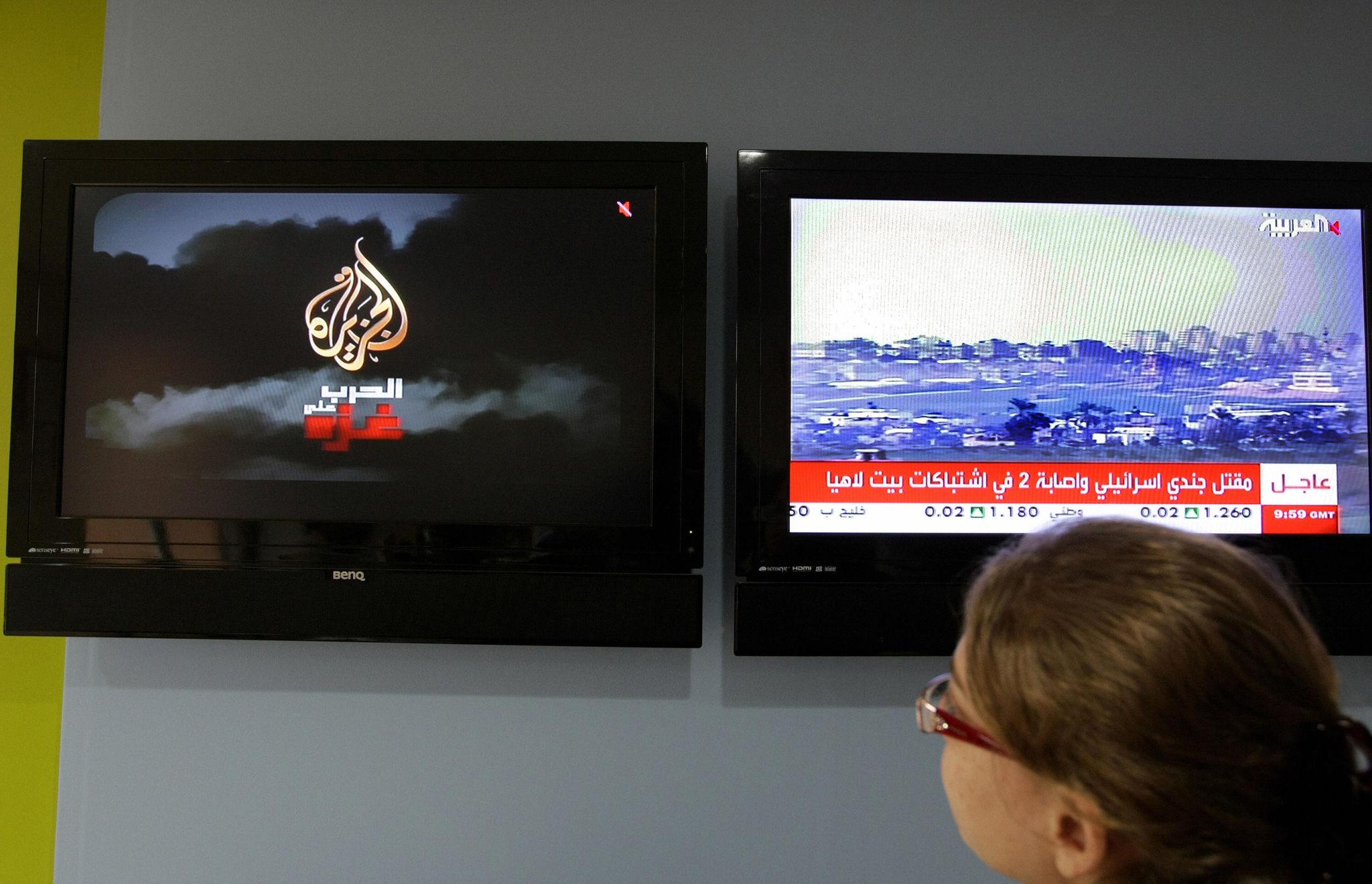
Sudan’s Rapid Support Forces (RSF) have accused three major Arab television networks of spreading misinformation and promoting narratives favourable to the Sudanese Armed Forces (SAF), alleging that their coverage has misrepresented deadly attacks on civilians.
In a statement issued Monday, the RSF named Al Jazeera, Al Arabiya and Al Hadath, accusing the broadcasters of abandoning journalistic neutrality and providing misleading accounts of military operations and civilian casualties.
The RSF said the networks had repeatedly portrayed attacks blamed on Sudan’s military as battlefield victories while failing to give sufficient attention to allegations of civilian deaths.
The statement specifically cited recent drone strikes in Nyala, the capital of South Darfur, and Al-Dibab in West Kordofan, where dozens of civilians were reportedly killed.
The RSF accused the army of using a Turkish-made Bayraktar Akıncı drone to attack a livestock market in Nyala, alleging that broadcasters had downplayed the deaths and repeated military accounts describing the operation as an attack on RSF positions.
Sudan’s military has said its strikes in Nyala targeted RSF command facilities and military infrastructure.
The competing accounts of the operation and its casualty figures have not been independently verified.
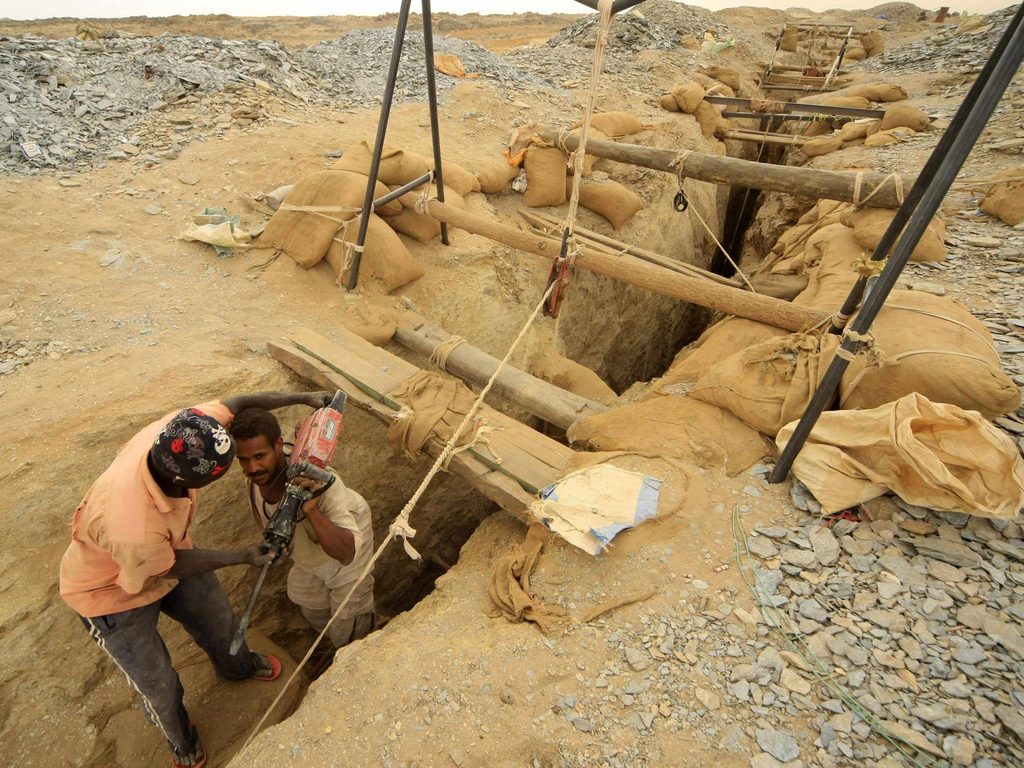
The RSF also criticised what it described as inadequate coverage of attacks on gold miners in the Jabal al-Uqaydat area near Sudan’s northern border with Egypt.
However, allegations surrounding those strikes remain disputed, with Sudanese rights monitors accusing Egyptian forces of carrying out an attack that reportedly killed at least 72 miners.
The RSF’s broader allegation that the networks ignored the incidents is not fully supported by the available reporting. Al Jazeera, for example, published coverage of the Nyala livestock market strike and the deaths of miners near the Egyptian border.
In its statement, the RSF accused the three broadcasters of allowing political and military interests to influence their reporting, arguing that their coverage had contributed to the distortion of events in Sudan.
The force called on Sudanese and Arab audiences to boycott the networks and urged regional and international media organisations to examine their conduct.
It also said it was considering formal complaints to professional journalism bodies over what it described as repeated violations of reporting standards.
The statement did not establish that any such complaints had been filed.
The accusations come amid escalating fighting and drone attacks across Sudan, where competing accounts from the warring parties have made independent verification of military operations and civilian casualties increasingly difficult.
Journalists and humanitarian organisations continue to face significant restrictions on access to conflict zones, particularly in Darfur and Kordofan, where communications disruptions and insecurity have complicated independent reporting.
The latest dispute highlights the increasingly contested information environment surrounding Sudan’s war, with rival forces seeking to shape international perceptions of their military operations and responsibility for civilian casualties.