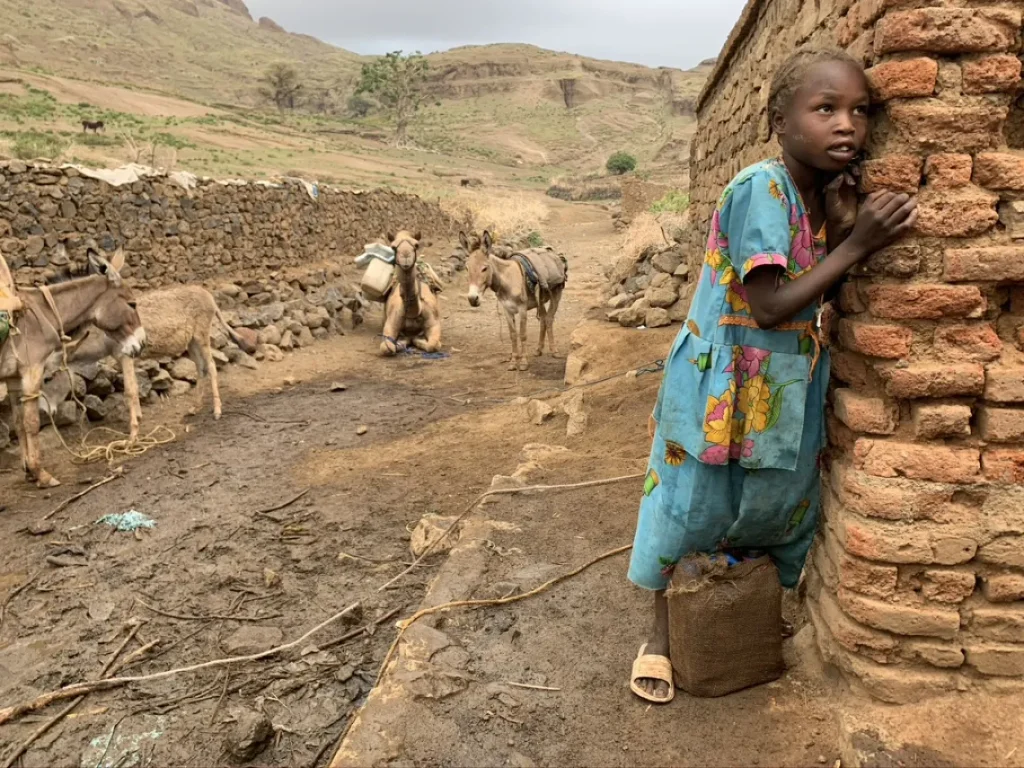
At least 30 children have died from malnutrition-related complications in eastern Jebel Marra in Sudan’s Darfur region, while more than 100 others are suffering from severe acute malnutrition, a local displaced persons group said.
The General Coordination for Displaced Persons and Refugees in Darfur said the deaths were recorded in the Suni area, where access to functioning health facilities and medical services is extremely limited.
Adam Rijal, a spokesperson for the group, warned that the actual toll could be substantially higher because many cases are never recorded in remote areas where health centres, medical staffing and disease-surveillance systems have largely collapsed.
The latest deaths come amid mounting warnings over severe hunger across Jebel Marra and other parts of Darfur following more than three years of war, mass displacement and disruption to agriculture, markets and humanitarian supply routes.
Earlier in September, local authorities in parts of Jebel Marra warned that communities across the mountainous region were facing catastrophic hunger, with malnutrition particularly affecting children, women and older people.
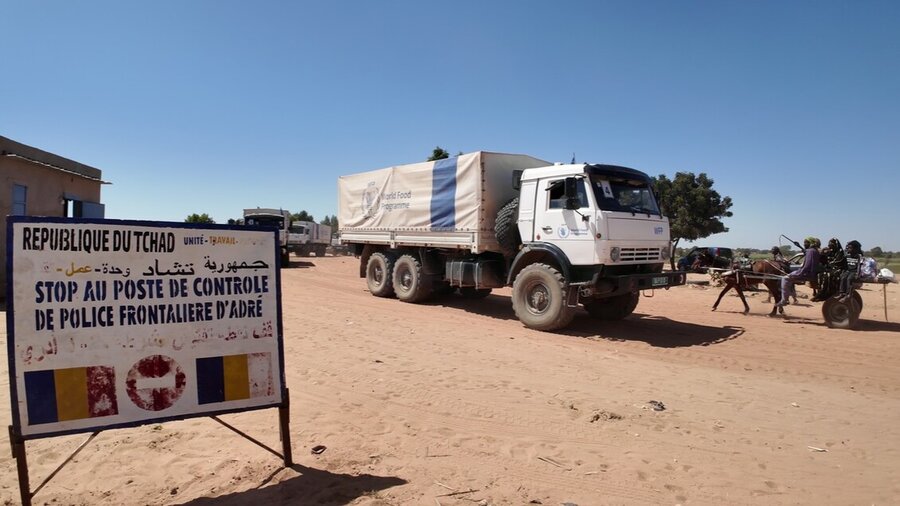
The crisis has been compounded by poor rainfall, rising food prices, damaged infrastructure and insecurity along key aid routes. Humanitarian organisations have also struggled to reach isolated communities because of fighting, checkpoints and high transport costs.
Rijal said millions of displaced people across Darfur remain without reliable access to food, clean drinking water or basic healthcare.
The humanitarian pressure has also intensified in Tawila, North Darfur, which has received thousands of newly displaced people in recent weeks. More than 3,400 people had arrived there since the beginning of September, according to the same displaced persons coordination group, which warned of severe shortages of food, water and medicine.
Rijal said hunger and disease were increasingly becoming major causes of civilian deaths alongside the direct effects of the fighting.
The group called on United Nations agencies and international donors to increase emergency funding, expand child nutrition programmes and water-treatment services, and secure humanitarian access to communities across Darfur.