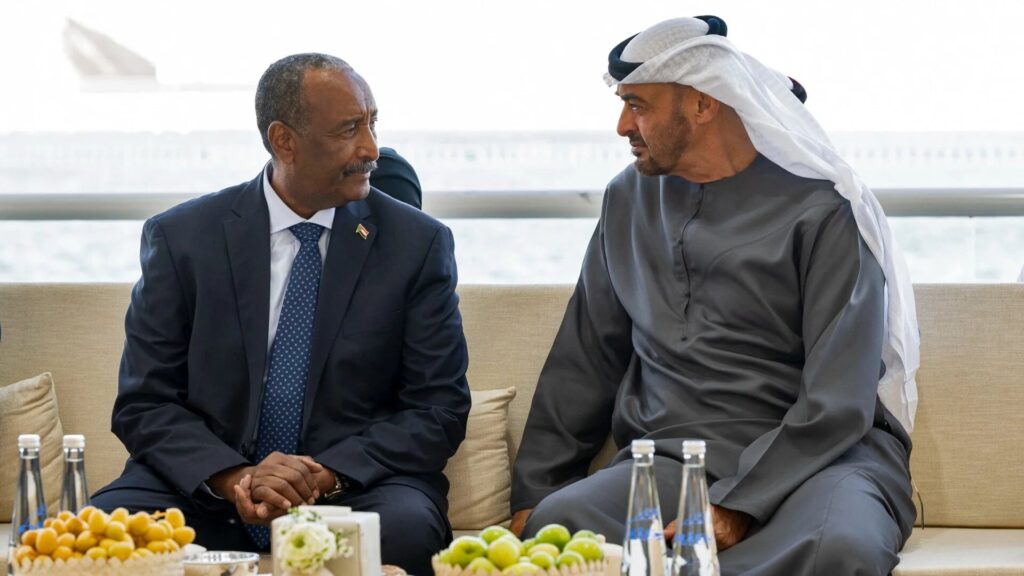
Sudan’s General al-Burhan is facing fresh embarrassment after Middle East Eye pushed back against attempts by Sudan’s Sovereign Council media office to deny an interview in which he appeared to soften his position on ties with the United Arab Emirates.
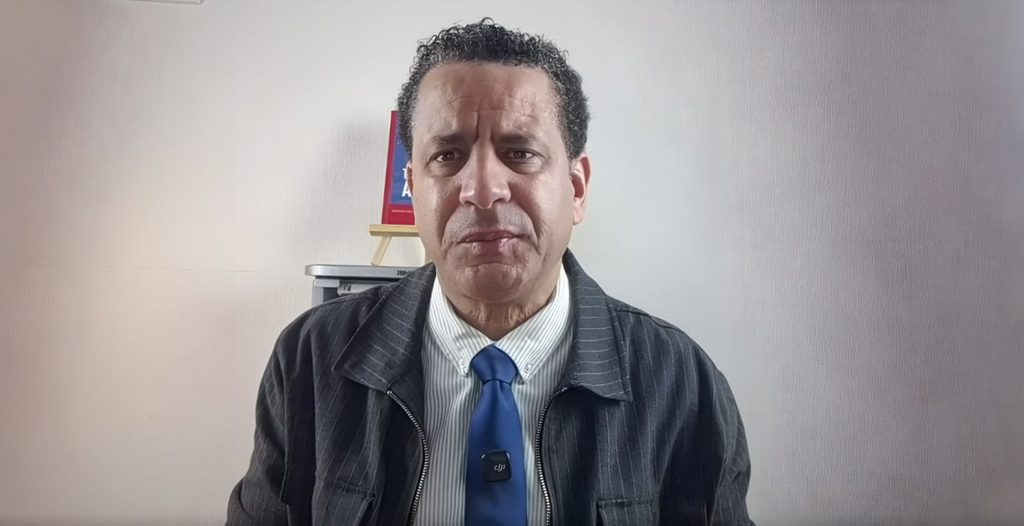
Journalist Eid Hisham issued a clarification after controversy erupted over remarks attributed to al-Burhan in a Middle East Eye report. The comments suggested that Sudan did not oppose restoring relations with the UAE, provided Abu Dhabi stopped what al-Burhan described as its support for the Rapid Support Forces.
According to Hisham, the interview was conducted by phone between Middle East Eye’s editorial team and al-Burhan, with a member of the Sovereign Council chief’s office present to translate during the conversation.
Hisham said the remarks were later sent back to al-Burhan through the translator for review and accuracy checks. He added that the editorial team received approval for the content before including the comments in the published report.
He said the material used in the article had been verified before publication, arguing that any later shift in political position had no bearing on the outlet’s editorial process.
The clarification came after Sudan’s Transitional Sovereign Council media office claimed that al-Burhan had not given statements to any local or international media outlet in recent days, describing the circulated remarks as “incorrect.”
The dispute has triggered wide debate across Sudanese media and social platforms, with critics pointing to another apparent communications failure by al-Burhan’s camp at a sensitive diplomatic moment.
In the remarks attributed to him, al-Burhan said Sudan did not reject relations with the UAE, but linked any return or improvement in ties to Abu Dhabi halting support for the RSF. He said Khartoum remained open to regional and international relations based on respect for Sudan’s sovereignty and non-interference in its internal affairs.
The comments appeared to come as regional mediation efforts intensified, with Saudi Arabia and Bahrain reportedly seeking to reduce tensions between Sudan and the UAE and bring the two sides closer to dialogue.
The episode places al-Burhan in a difficult position: either the interview happened and his office is now trying to walk it back, or his media operation failed to control one of the most sensitive foreign policy messages of the war.