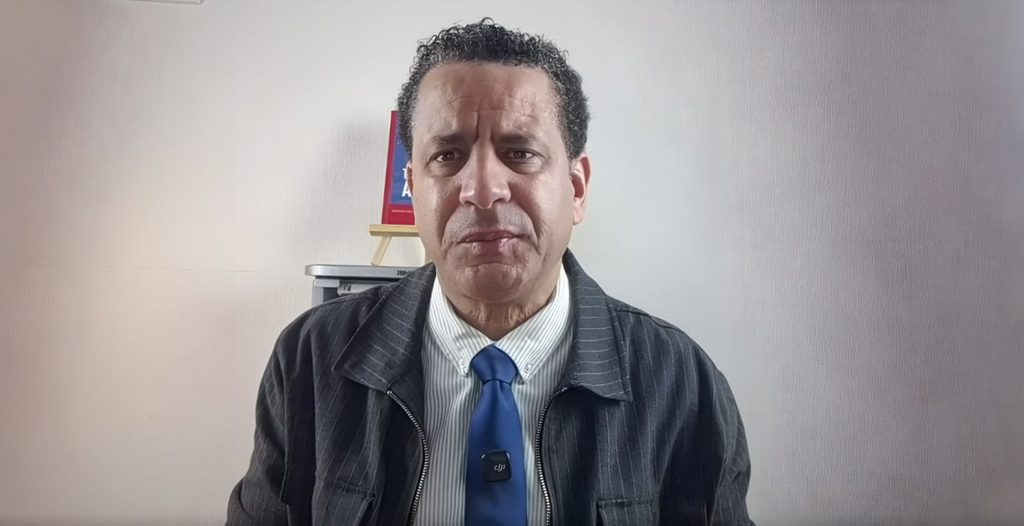
Al-Basha Tabiq, the energy and oil minister in the TASIS-aligned Peace Government, has threatened to take what he called a “decisive” decision on the flow of oil if drone attacks by General al-Burhan’s SAF continue.
The warning followed a wave of drone strikes on Kauda in South Kordofan, Al-Daein in East Darfur and Babanusa in West Kordofan on Tuesday and Wednesday, which reportedly left civilians dead and wounded.
The Sudan Founding Alliance, known as TASIS, said Tuesday’s drone attack on Al-Daein killed dozens of people. Local sources also reported casualties after drone strikes targeted the town of Al-Danj and surrounding areas on Wednesday.
Tabiq described the SAF’s drone campaign as “systematic,” saying it posed a direct threat to the lives of hundreds of thousands of people, paralysed civilian activity and disrupted daily life.
According to UN reports cited by Dabanga, drone attacks since January have killed more than 880 people.
“If this criminal behaviour does not stop, I will take a decisive decision regarding the flow of petroleum, because people’s lives are above all considerations,” Tabiq wrote in a Facebook post.
The threat adds a new layer of tension to Sudan’s war, where oil infrastructure remains strategically important not only to Sudan but also to South Sudan, whose crude exports depend on pipelines running through Sudanese territory to the Red Sea.
In December, South Sudan announced an agreement with both General al-Burhan’s SAF and the Rapid Support Forces for the South Sudan People’s Defence Forces to protect facilities at the Heglig oil field in West Kordofan.
Juba said President Salva Kiir Mayardit had reached the arrangement after contacting the leaders of both warring sides in Sudan and urging them to halt fighting around the oil field.
Under the deal, General al-Burhan’s SAF and the RSF were expected to withdraw from the area.
South Sudan’s oil is transported through a Sudanese pipeline beginning in the border area of Heglig, which also produces around half of Sudan’s current crude output. The pipeline runs roughly 1,610 kilometres to the Bashayer terminal on the Red Sea.
Rights advocates have criticised the warring parties for agreeing on arrangements to protect oil infrastructure while failing to reach similar understandings on civilian protection, humanitarian access or an end to attacks on populated areas.