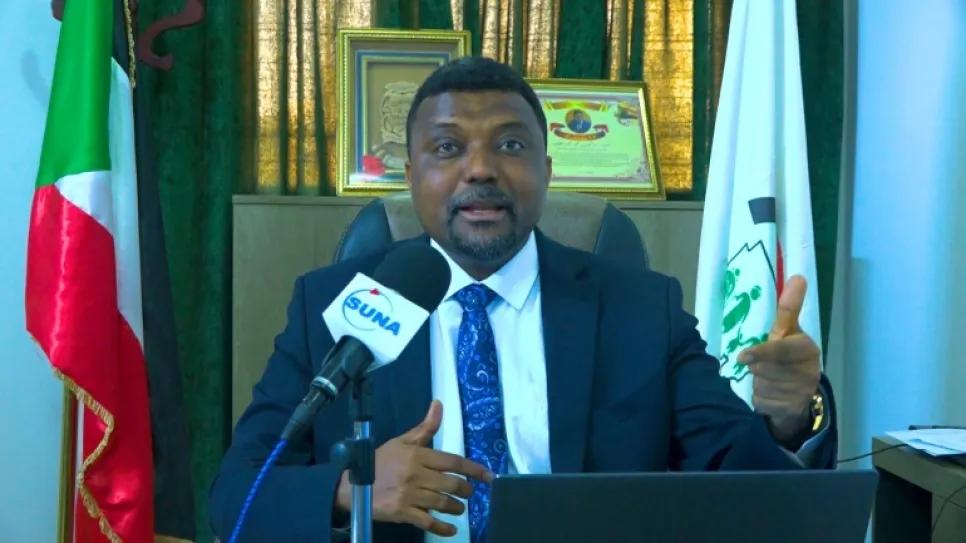
A senior official in Sudan’s Peace Government has accused the Port Sudan authorities of deliberately obstructing humanitarian assistance and exploiting control over the country’s main seaport, saying the restrictions have worsened an already severe humanitarian crisis.
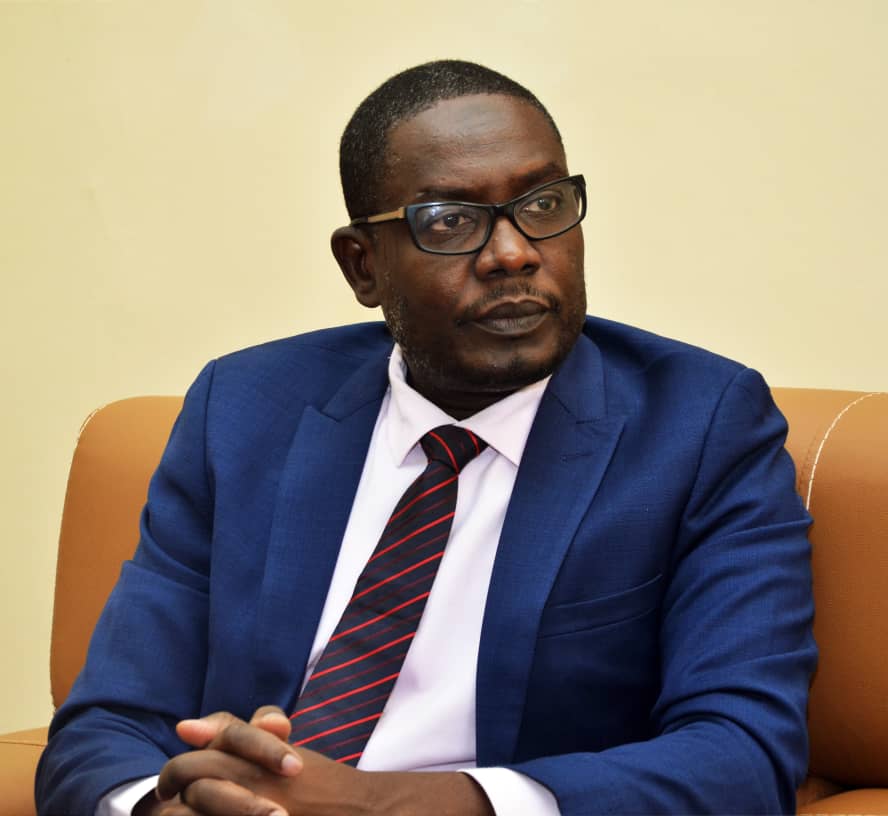
Ezzeldin al-Safi, head of the National Humanitarian Access Authority, told Erem News that limits on aid deliveries through Port Sudan were complicating relief operations at a time when millions of Sudanese face acute food insecurity and humanitarian agencies are struggling with major funding shortages.
Al-Safi said access to areas affected by fighting remained extremely difficult, particularly in locations where forces aligned with the Port Sudan authorities were operating near populated areas, contributing to large-scale displacement.
He said Sudan was facing an “unprecedented” humanitarian emergency, with conditions in some areas ranging from catastrophic food insecurity to famine.
According to al-Safi, more than 34 million people are facing food insecurity across Sudan, including around 18 million people living in areas controlled by the Peace Government.
He identified funding shortages as one of the biggest challenges facing humanitarian operations, saying only about 41 percent of the required international funding had so far been received.
Al-Safi also accused the Port Sudan authorities of deliberately restricting relief deliveries and using their control over the country’s main maritime entry point for humanitarian supplies to influence the flow of aid.
He described the alleged obstruction as a violation of international humanitarian law.
The official said humanitarian access was also being affected by seasonal rains and by damage to bridges in western Darfur, which he blamed on forces aligned with Port Sudan.
Despite those constraints, al-Safi said the Peace Government had distributed more than 2,900 metric tonnes of aid to around 38,000 families, even without significant support from international non-governmental organisations.
He said additional assistance was urgently needed in areas that had experienced new displacement following recent fighting in Blue Nile, South Kordofan and North Kordofan.
Al-Safi said the Peace Government had introduced policies intended to facilitate the safe and effective delivery of assistance while ensuring humanitarian principles including neutrality, impartiality, equality and dignity.
On coordination with relief agencies, he said more than 212 international and national organisations had responded positively to the government’s procedures for registering and accrediting NGOs.
He urged humanitarian organisations operating in Peace Government-controlled areas to complete the accreditation process to avoid disruptions to their activities.
Al-Safi acknowledged that the National Humanitarian Access Authority, which was established recently, continued to face financial and institutional constraints. He said the cabinet was expected to review and approve the government’s budget, with humanitarian operations receiving significant attention.
The government, he added, was preparing what it calls a “Grand Recovery Strategy,” aimed at moving beyond emergency relief toward long-term economic recovery and sustainable development.
Al-Safi said the proposal had been raised in meetings with international partners, including the European Union in Brussels last November, as well as with donors and international envoys.
“Our main objective is to end long-term dependence on humanitarian assistance and move toward recovery and sustainable development across all regions,” he said.