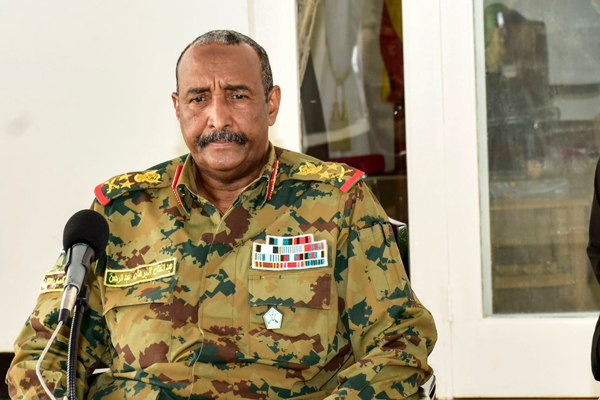
Sudan’s military leadership is moving to scrap the country’s remaining constitutional framework and formalise General Abdel Fattah al-Burhan as president, in what critics say is the latest step in entrenching SAF rule.
Arabic media and pro-military commentators are openly pushing what they describe as a “constitutional reset” that would dissolve the current transitional charter and replace it with a new system granting sweeping executive powers to the head of state.
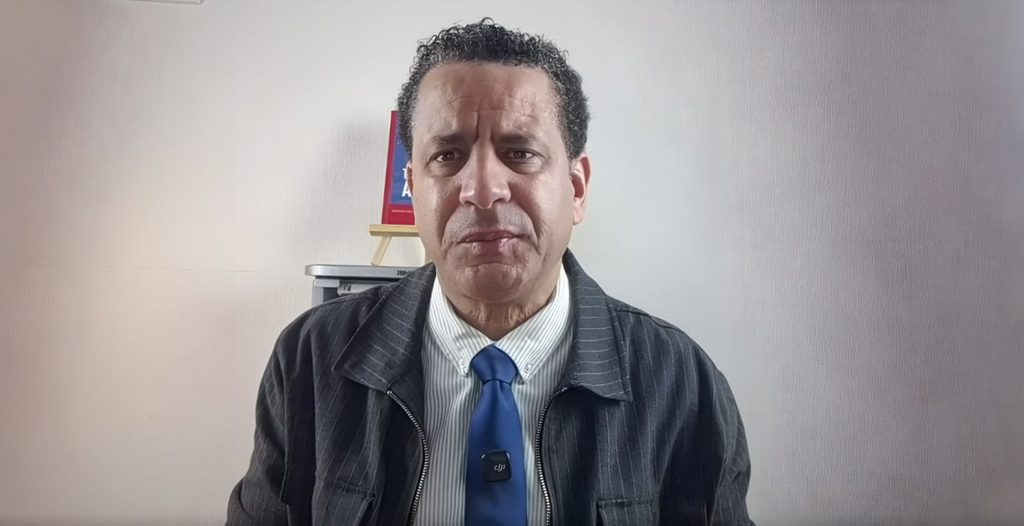
The proposal, widely circulated across Sudanese Arabic outlets, stems largely from messaging by pro-SAF journalist Abdel Majid Abdel Hamid, whose comments have been amplified as part of what appears to be a coordinated political signal rather than an official announcement.
At the core of the plan is the dismantling of Sudan’s existing constitutional document—already heavily amended under military oversight—and replacing it with a new roadmap that centralises authority in the presidency.
Burhan seized power in the October 2021 coup, dismantling a fragile civilian-led transition and sidelining political forces that had shared power following the ouster of Omar al-Bashir. Since then, his leadership has steadily expanded control over state institutions, installing loyalists and consolidating executive authority under military command.
The latest push suggests that process is entering its final phase.
Analysts and legal observers warn the move would effectively bury what remains of Sudan’s transitional framework, replacing it with a system designed to legitimise direct military rule under a civilian façade.
The idea of formally declaring Burhan president is not new. Similar leaks surfaced earlier this year, widely seen as trial balloons to test political reaction. The renewed push now indicates growing confidence within military circles to move ahead.
While no official decree has been issued, the scale and coordination of the messaging across Arabic media point to a deliberate effort to prepare the ground for a constitutional overhaul.
Legal critics argue that even previous amendments to the constitutional document—pushed through under Burhan’s authority—do not grant him unilateral power to restructure the state or impose a new governing framework without broader political consensus.
But with civilian forces sidelined, war ongoing, and institutions firmly under military control, there are few barriers left.
What is being framed as a “constitutional correction” is, in effect, a full reset of Sudan’s political order—one that cements the dominance of General al-Burhan’s SAF and sidelines any remaining path back to civilian rule.