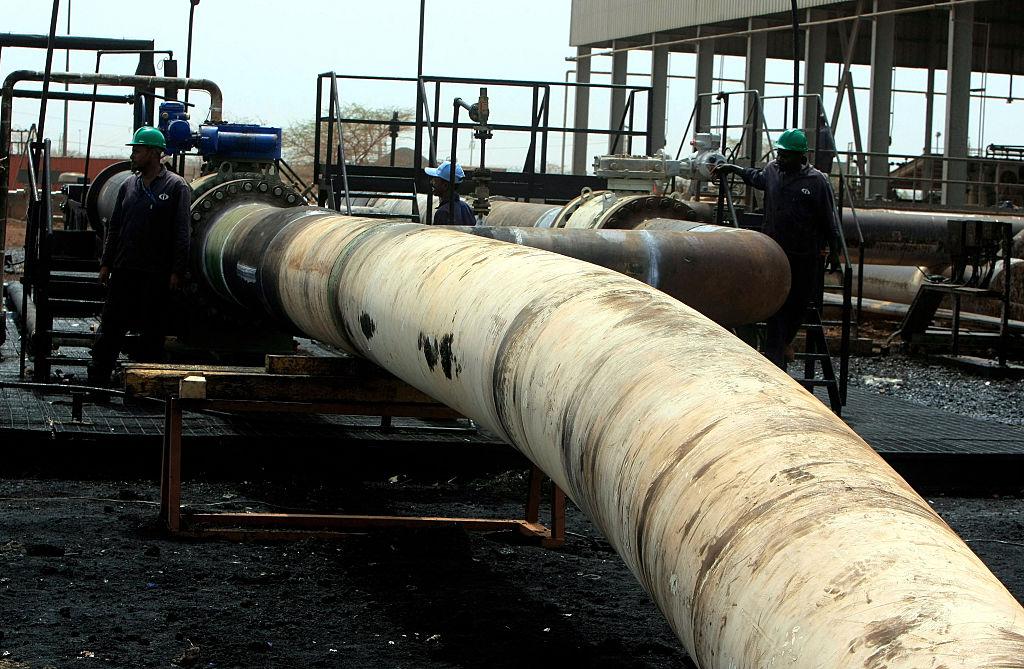
Repair work has resumed on a key pipeline carrying South Sudanese crude through Sudan after recent attacks damaged sections of the line in the Kordofan region, according to local Sudanese media.
Technical teams are making progress repairing sections of the Greater Nile oil pipeline linking South Sudanese oilfields with export infrastructure inside Sudan, with work focused on damaged areas in West and South Kordofan, the reports said.
The repairs are being carried out under the protection of the Rapid Support Forces, according to the report, as fighting and insecurity along the pipeline route have previously prevented technical teams from reaching damaged sections.
The development comes after the Sudan Founding Alliance, or TASIS, accused the Sudanese Armed Forces of repeatedly targeting the pipeline with drones since September 11, particularly north of Al-Hamadi in South Kordofan.
TASIS spokesman Ahmed Tugud Lisan said the attacks ruptured sections of the pipeline and caused large fires. The alliance said seven members of a force deployed to protect engineers and maintenance workers were later killed in another strike. The allegations have not been independently verified.
TASIS said the affected area lies within territory controlled by forces aligned with the Peace Government and said it had deployed personnel to secure repair teams working on the oil infrastructure.
Local Sudanese media reported that the latest maintenance work covers damaged sections of the Greater Nile pipeline between the Heglig area and Al-Jabalain, a route that passes through territory affected by fighting between SAF and the RSF.
South Sudan relies heavily on crude exports for government revenue and depends on pipelines running through Sudan to transport its landlocked oil to export terminals on the Red Sea.
TASIS has described protecting the pipeline and maintenance workers as important to safeguarding South Sudan’s economic interests and has called on international and regional organisations to condemn attacks on the infrastructure.