The RSF/TASIS side has welcomed the latest US proposal to end Sudan’s war and submitted a written response, Reuters reported, while the SAF junta is seeking to turn the plan into a demand for RSF withdrawal from all cities it has controlled since May 2023.
A senior RSF official told Reuters that the force had received the latest proposal, welcomed it and submitted a written response, but did not disclose the contents of that response.
The US proposal reportedly calls for a 90-day humanitarian truce, followed by negotiations toward a permanent ceasefire. It also includes a Sudanese political process led by civilians, the formation of a unified national army, and arrangements for disarmament, demobilisation and reintegration.
The plan also seeks to exclude extremist and militia elements from political life, a point that aligns with repeated RSF/TASIS warnings that Islamist networks and remnants of the former regime remain the main obstacle to ending the war.
But documents reviewed by Reuters showed that the SAF-led authorities in Port Sudan demanded that any broad acceptance of the proposal require the RSF to withdraw from all cities it has controlled since May 11, 2023.
That condition goes beyond the US proposal’s reported call for limited withdrawals from priority hotspots, particularly in North Darfur and North Kordofan, where fighting has intensified in recent weeks.
The SAF junta said it accepted much of the proposal but objected to the limited withdrawal mechanism, effectively adding a sweeping precondition before moving toward a broader settlement.
The RSF/TASIS side has not publicly released the text of its written response, and its position on SAF’s full-withdrawal demand remains unclear.
The dispute highlights the gap between a US-backed framework focused on a humanitarian pause, civilian transition and security-sector restructuring, and SAF’s attempt to recast the process around military preconditions.
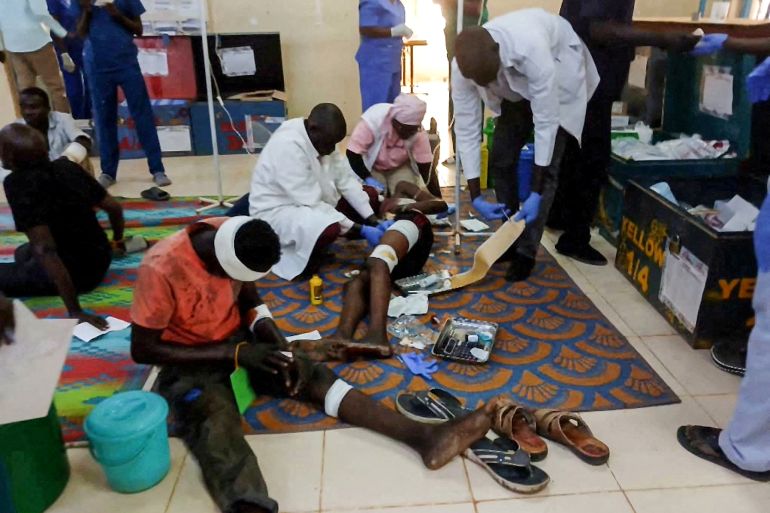
The war, which began in April 2023 after a dispute over the integration of the RSF into the SAF and the transition to civilian rule, has devastated Sudan, displaced millions and triggered one of the world’s worst humanitarian crises.
Repeated mediation efforts have collapsed as the SAF-aligned camp has resisted political arrangements that would remove Islamist influence from state institutions, while fighting has continued across Darfur, Kordofan and central Sudan.