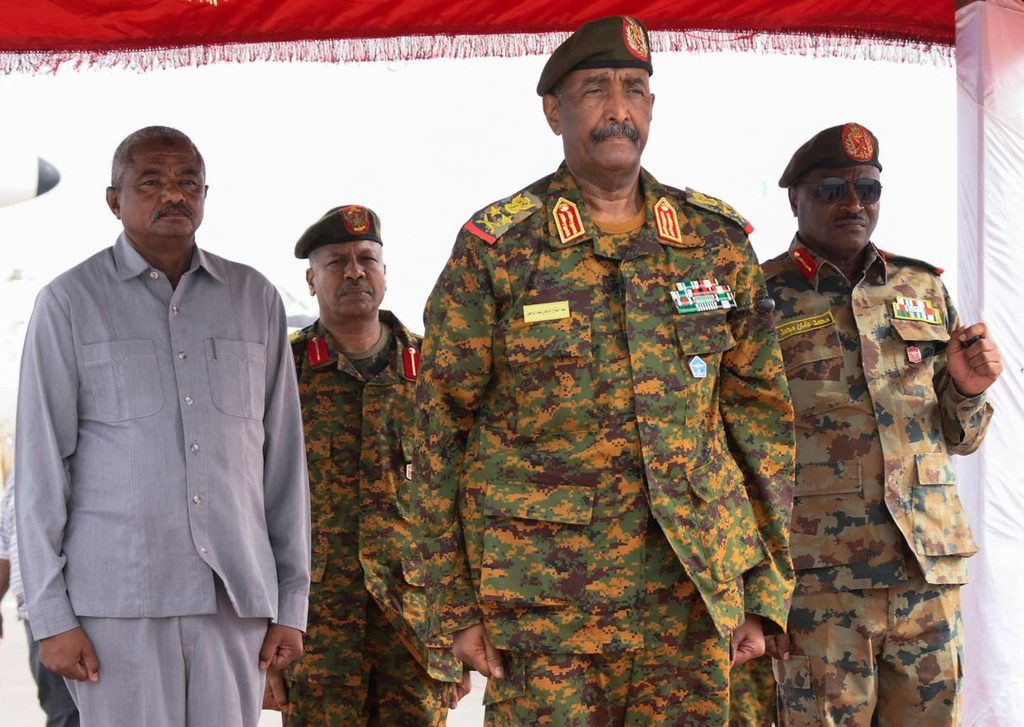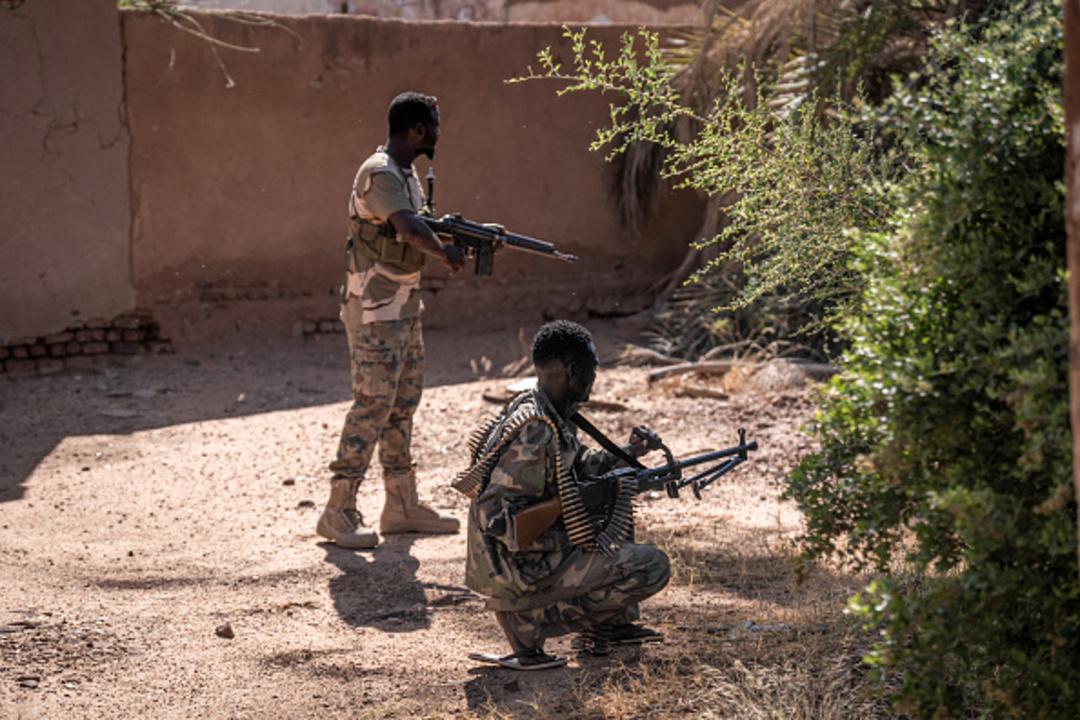
The Sudanese Armed Forces and allied Islamist formations have made gains across parts of Kordofan amid fresh allegations that chemical weapons were used to weaken Rapid Support Forces positions, prompting RSF commander Mohamed Hamdan Dagalo to order an urgent change in battlefield tactics.
Military sources said fighting had intensified around Umm Girfa, Bara and Umm Sayala, where SAF-aligned forces have recently placed the RSF under mounting pressure after a series of advances and counterattacks.
The sources attributed at least some of the RSF’s recent setbacks to the alleged use of chemical agents by SAF and allied armed groups, particularly near Umm Girfa, about 45 kilometres north of El Obeid.
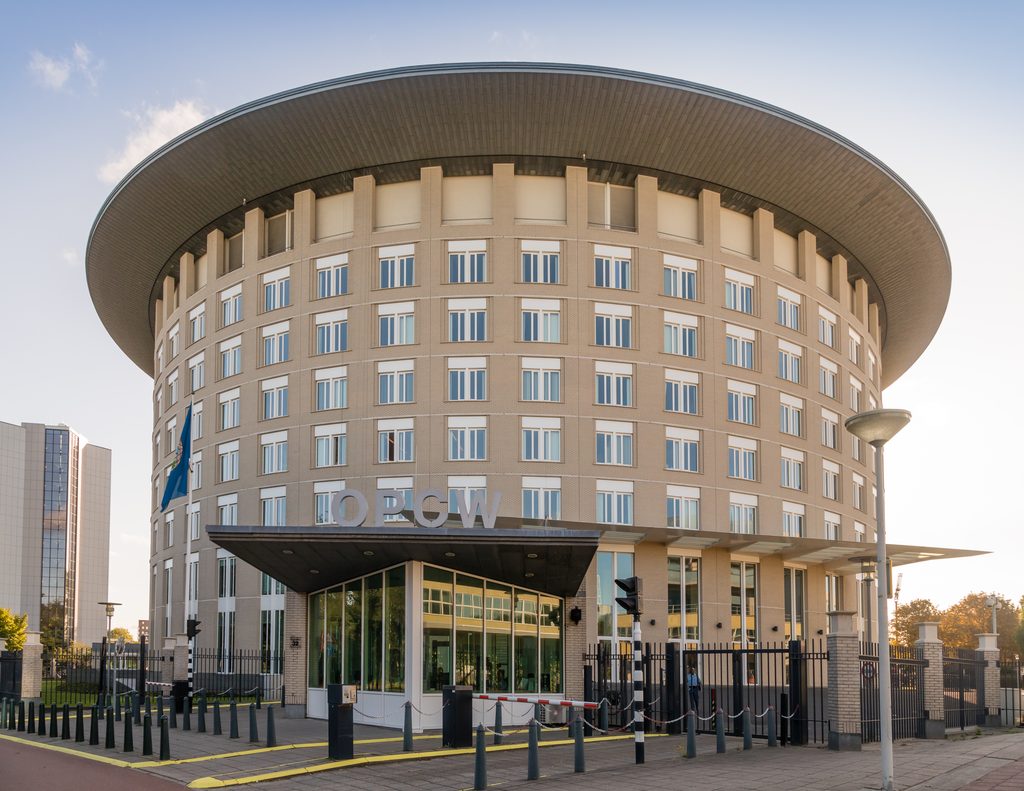
The claims come against the backdrop of an official US determination that Sudan’s army-aligned government used chemical weapons in 2024 in violation of international law.
Washington subsequently imposed sanctions under the Chemical and Biological Weapons Control and Warfare Elimination Act and demanded that the Port Sudan authorities cease any further use of chemical weapons, declare related facilities and permit unrestricted international inspections.
The US has not publicly disclosed the locations, agents or full intelligence underlying its determination. Port Sudan authorities and SAF have rejected the accusation.
The previous US finding nevertheless gives added weight to demands for an independent investigation into the latest allegations from North Kordofan, where RSF sources say unusual weapons were used as SAF forces attempted to break through their defensive positions.
Dagalo responds to battlefield reversals
The developments appear to have prompted a direct intervention by Dagalo, known as Hemedti, who instructed commanders and fighters on the front lines to abandon existing tactics and adopt a new approach to the Kordofan campaign.
His message came after SAF and allied Islamist brigades made advances in several contested areas, challenging RSF control over important routes linking Darfur with central Sudan.
Although Dagalo claimed his forces had inflicted severe losses on their opponents, his call for a tactical shift appeared to acknowledge the increased pressure facing RSF units across the region.
He told fighters that SAF’s personnel and equipment losses exceeded its ability to replace them and praised RSF units for their performance during the latest confrontations.
RSF-aligned sources also claimed their forces had seized military vehicles, armoured carriers and heavy artillery during counterattacks. These claims could not be independently verified.
Bara changes hands again
Bara has emerged as a central focus of the campaign, with control of the strategic North Kordofan town reportedly changing hands several times.
Sources said SAF-aligned forces entered Bara for a third time before being pushed back by an RSF counteroffensive. Independent verification of the town’s current status remained difficult because of disrupted communications and conflicting battlefield accounts.
Fighting has also been reported around Umm Sumayma, Jebel Abu al-Sunun, Al-Nahud and Umm Sayala, with both sides conducting repeated advances and withdrawals.
The RSF has reportedly sent substantial reinforcements towards Kordofan in an attempt to stabilise its lines and prevent SAF from consolidating its gains.
Battle for western supply routes
Kordofan is vital to both sides because it contains the main routes connecting central Sudan with Darfur and territories administered by the TASIS-led Government of Peace and Unity.
A sustained SAF advance could disrupt RSF supply routes, isolate positions further east and place areas under TASIS control within closer reach of Port Sudan-aligned forces.
For SAF, securing the region would also strengthen the approaches to El Obeid and open potential routes towards western Sudan.
RSF sources argued that Kordofan’s open terrain still favours their highly mobile forces, which have extensive experience in desert warfare. The latest setbacks, however, indicate that SAF and its allied Islamist brigades have been able to challenge that advantage with concentrated ground assaults, drones and heavy weapons.
The sources warned that the confrontation was entering a “bone-breaking” phase, with both sides deploying additional fighters and equipment ahead of expected battles around Bara and El Obeid.
They suggested the RSF could attempt a surprise operation towards El Obeid to disrupt SAF’s preparations and reverse its recent momentum.
The sources also claimed that military aircraft had arrived in Port Sudan carrying weapons and drones despite US restrictions. That claim has not been independently verified.
The latest fighting leaves SAF with renewed momentum in parts of Kordofan, but allegations that its advances were facilitated by chemical-weapons use are likely to intensify calls for international inspectors to be granted access to the affected areas.