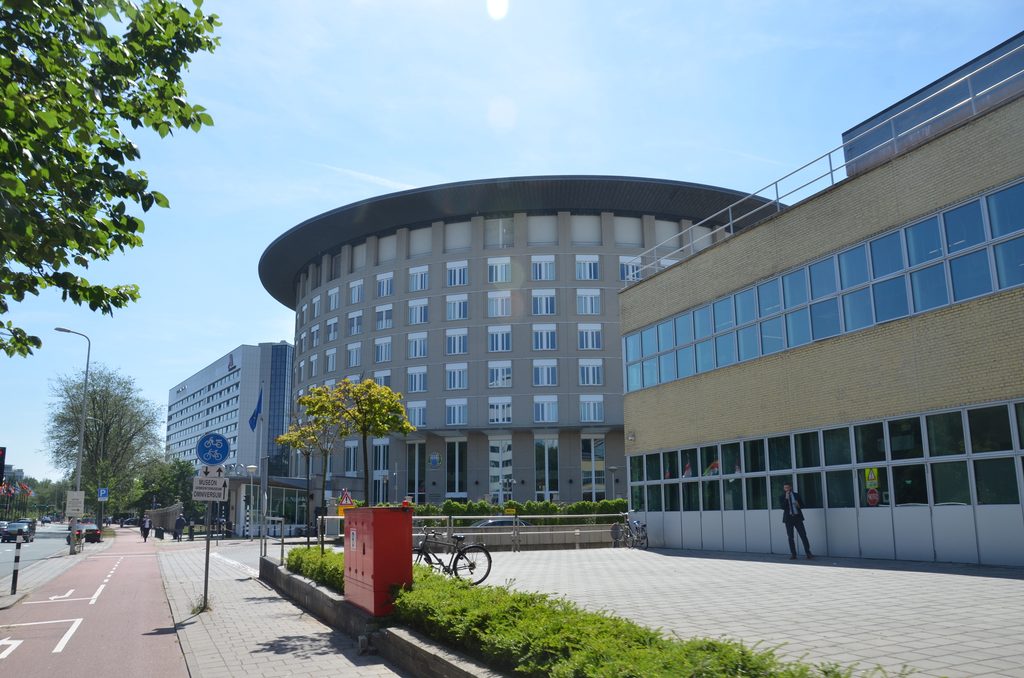
The SAF government turned down a request in September to allow a delegation from the world’s chemical weapons watchdog into Sudan to investigate allegations against the army, Sudanese human rights lawyer Al-Moez Hadra told Erem News.
Hadra said Sabrina Dallafior, director-general of the Organisation for the Prohibition of Chemical Weapons (OPCW), raised the proposed visit with a Sudanese representative. He said the refusal drew criticism from Britain and Romania as member states pressed for answers about the army’s conduct during the war.
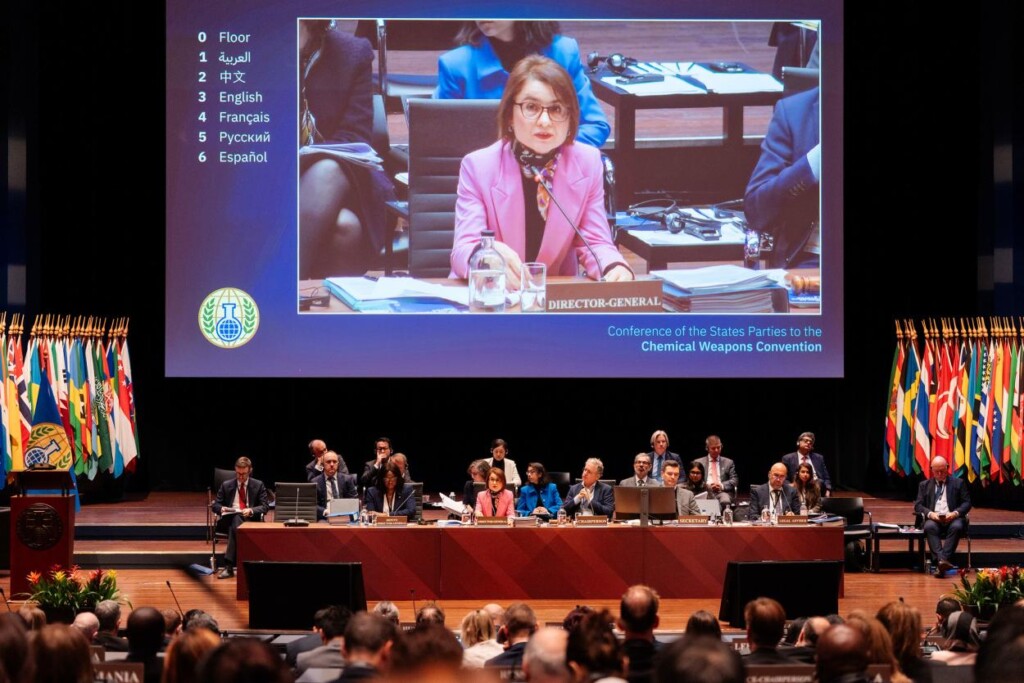
Dallafior confirmed this week that she had met Sudanese representatives and offered her organisation’s technical support for Sudan’s own investigation. Her public account left open whether she had also sought permission to send a delegation. Addressing member states in The Hague on Tuesday, she said the OPCW Secretariat was still waiting for detailed information about the allegations and invited governments to share evidence in confidence.
The SAF government says it answered the watchdog’s requests, according to Erem News. Whether investigators will gain access to sites and records remains an open question. Washington has sought that access for OPCW staff, while Britain this week called on the SAF government to complete an impartial national investigation and give the watchdog its findings in full.
The allegations are now before the OPCW Executive Council. Several member states have invoked Article IX of the Chemical Weapons Convention, which allows them to seek formal clarification when questions arise about another country’s compliance. Dallafior said she hoped Sudan would circulate the results of its investigation to all states parties.
Hadra also raised concerns about possible chemical weapons use in fighting around Ed Damazin, the capital of Blue Nile state. Sources previously told Erem News that munitions they suspected contained chemical agents had reached the city. The latest report offered no independently verified evidence that the army had used them there.
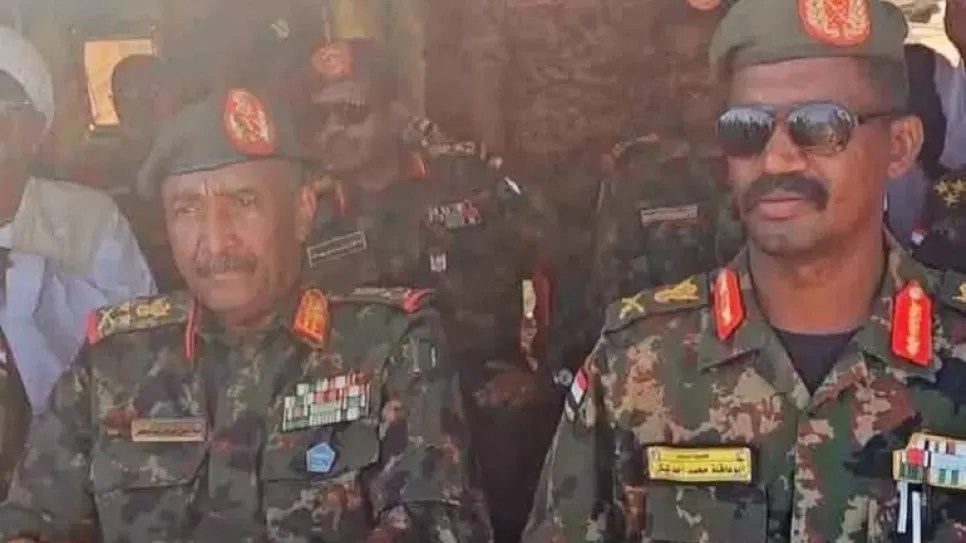
A separate finding concerning the army’s conduct in 2024 has already led to US sanctions. In May 2025, Washington announced it had determined that the SAF government used chemical weapons that year during the war with the Rapid Support Forces. The announcement did not identify the agent or the location. The SAF government denied the allegation and later informed the UN Security Council that army chief Abdel Fattah al-Burhan had appointed officials from the foreign ministry, defence ministry and intelligence service to investigate.
Political researcher Asal Abu Asal told Erem News he expected European governments and the United States to press for more information after Sudan missed out on another term on the OPCW Executive Council. Hadra said a prolonged dispute over cooperation could eventually bring the matter before the UN Security Council. Sudan retains its current OPCW council seat until May 11, 2027, when its term expires.