General al-Burhan’s army (SAF) is facing renewed scrutiny after moving to control Sudan’s chlorine supply chain, with rights groups warning the dual-use chemical could be diverted for military purposes amid ongoing allegations of chemical weapons use.
Sources and Sudanese reports indicate continued imports of liquefied chlorine gas and polyaluminum chloride, officially justified as essential for water treatment in a country grappling with collapsing infrastructure and disease outbreaks.
But the controversy has deepened following reports that the procurement process was shifted out of civilian hands.
According to Arabic media, Khartoum State’s water authority had initially opened two public tenders for chlorine gas and polyaluminum chloride, drawing bids from dozens of private companies. The process was later halted, with the contracts allegedly redirected to the Military Industry Corporation under a direct order attributed to Abdel Fattah al-Burhan.
The move has raised alarm among observers, who say it effectively places a critical dual-use chemical under military control, bypassing transparency and civilian oversight.
Sudanese legal advocacy group Emergency Lawyers has warned that chlorine and related compounds, while widely used in water purification, can also be repurposed as choking agents in warfare.
The concerns are amplified by a growing body of evidence linking the SAF to multiple suspected chlorine attacks during the war.
Investigations by international organisations and rights groups have pointed to at least two documented incidents in September 2024 around the al-Jaili oil refinery and Garri military base, where yellow-green gas clouds and chlorine cylinders were identified through geolocated footage and expert analysis.
The United States later determined that Sudan’s military had used chemical weapons during 2024, imposing sanctions on General al-Burhan, while experts and open-source investigations have linked chlorine barrels dropped from aircraft to SAF operations.
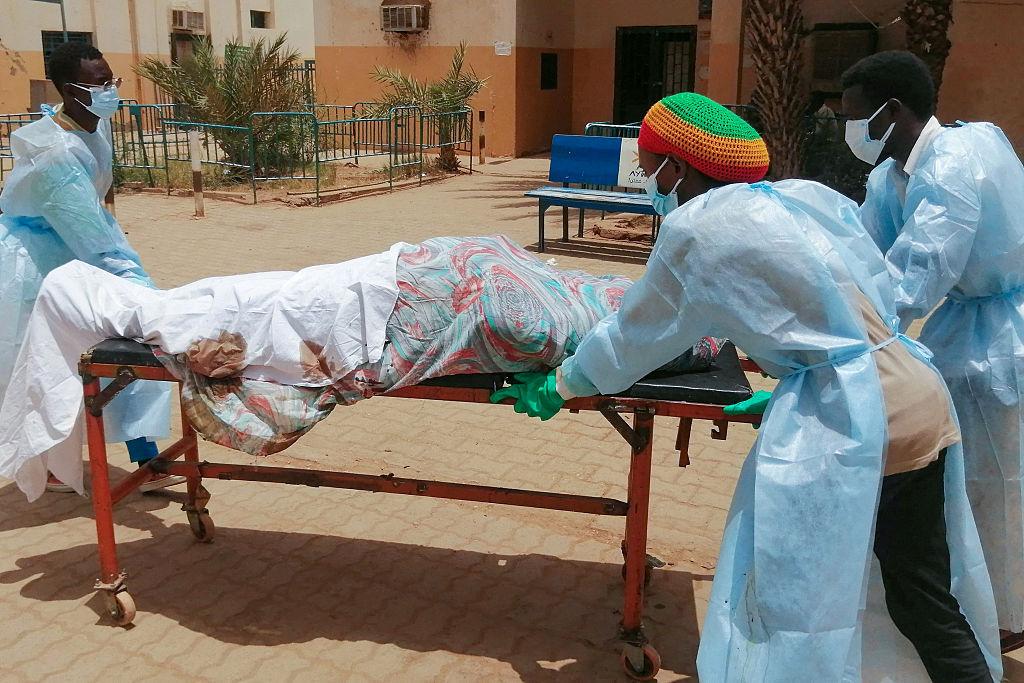
In some reported cases, workers exposed to the gas suffered severe respiratory distress, consistent with chlorine inhalation.
The issue has also triggered a backlash against those raising concerns.
Emergency Lawyers said one of its members, Rahab Mubarak, faced a coordinated smear campaign and legal pressure after speaking publicly about alleged chlorine weaponisation, warning that the targeting of rights defenders reflects a broader effort to suppress scrutiny.
Authorities aligned with Port Sudan have dismissed such claims, insisting that imports are intended solely for civilian water treatment needs.
However, critics argue that the combination of opaque procurement, military involvement, and a track record of alleged chemical attacks creates a dangerous risk of diversion.
Some Sudanese reports have also pointed to previous chlorine shipments arriving via Port Sudan from abroad, raising further questions about how such materials are tracked and controlled once inside the country.
With no independent monitoring mechanism in place, rights groups are now calling for urgent international oversight, including a probe by the Organisation for the Prohibition of Chemical Weapons (OPCW).
As the war grinds on, the growing control of dual-use materials by General al-Burhan’s army is likely to intensify fears that industrial chemicals are being weaponised in a conflict already marked by widespread allegations of war crimes and near-total impunity.