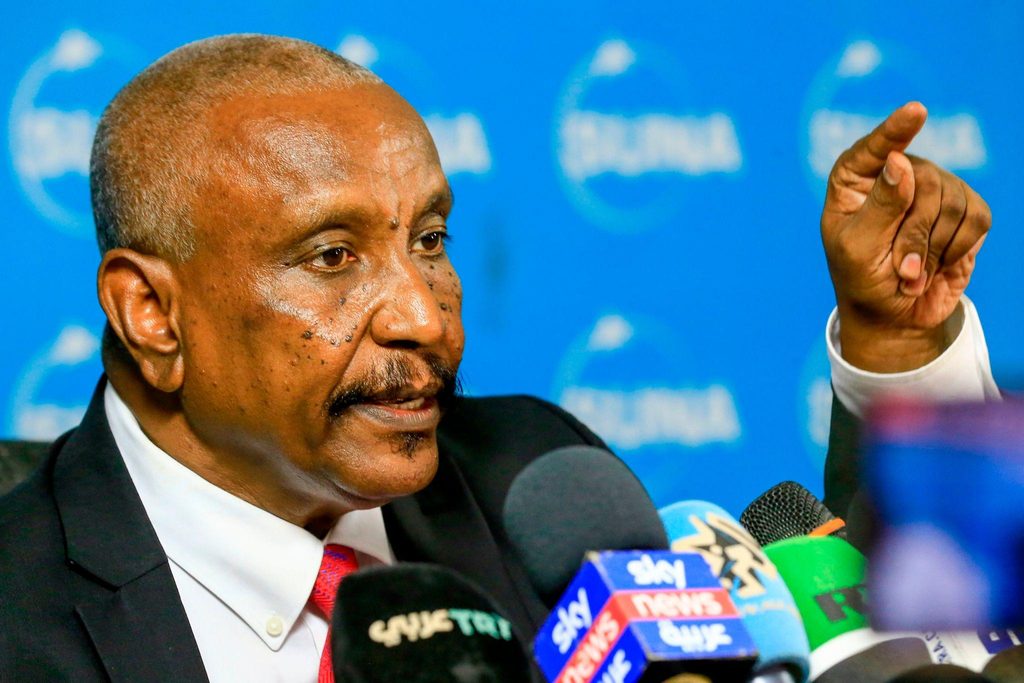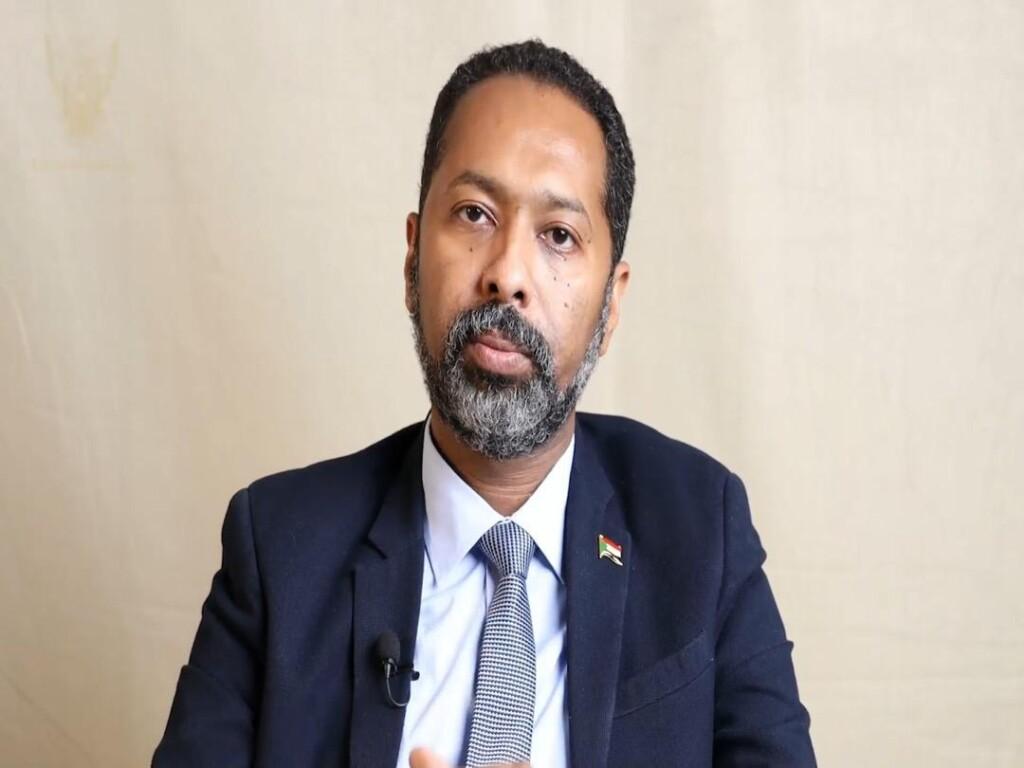
Saudi Arabia has reportedly placed senior Sudanese Congress Party figure Khalid Omar Youssef on an informal political blacklist over suspected links to the United Arab Emirates, according to a report by French intelligence publication Africa Intelligence.
The report, published on November 10, said Saudi officials had excluded Youssef, widely known as Khalid Silik, from diplomatic outreach to Sudanese civilian political leaders because of concerns about his alleged connections to Abu Dhabi.
In contrast, Sudanese Congress Party chairman Omar al-Digair is reportedly viewed favourably by Saudi officials, highlighting Riyadh’s selective approach to engaging Sudan’s political opposition.
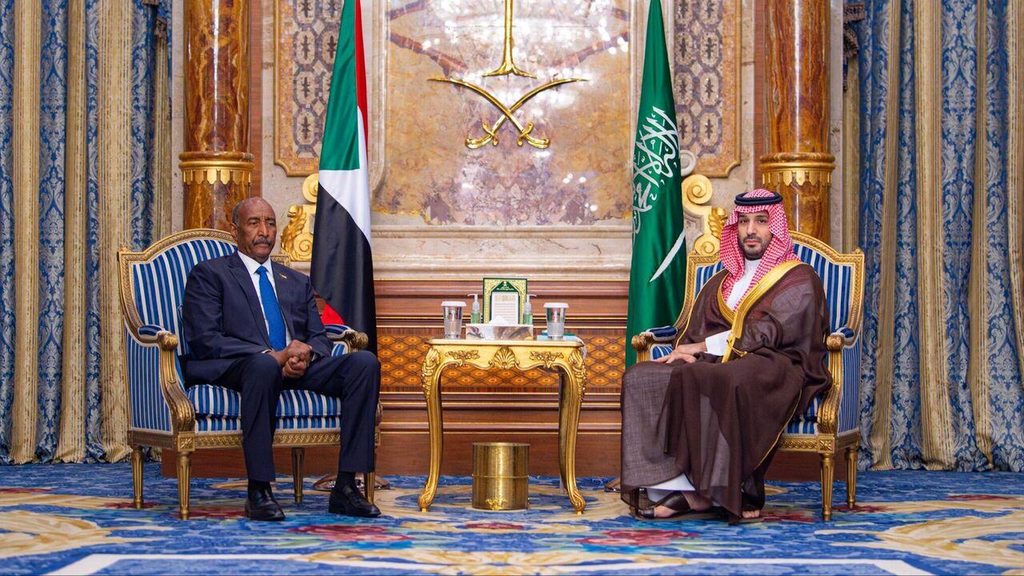
The reported exclusion comes as Saudi Arabia intensifies efforts to bring civilian political groups into negotiations over a possible future power-sharing arrangement with Sudanese Armed Forces (SAF) commander Abdel Fattah al-Burhan.
Africa Intelligence said Riyadh had established a four-member diplomatic and security team tasked with engaging influential Sudanese political figures and exploring arrangements that could preserve the military’s role in a future political settlement. Africa Intelligence+1
Saudi Arabia seeks political deal with Burhan
The Saudi initiative reflects Riyadh’s growing involvement in Sudan’s political crisis, with the kingdom seeking to strengthen its influence over any settlement to the war that erupted in April 2023.
Saudi Arabia has maintained close diplomatic relations with Burhan and the SAF government, viewing the military establishment as an important partner in protecting its strategic interests along the Red Sea.
However, Riyadh’s approach has also raised questions about whether regional diplomatic efforts are intended to establish a genuinely civilian political transition or secure a continued leadership role for Burhan.
The kingdom’s reported preference for certain civilian politicians over others has further exposed differences within Sudan’s fragmented political landscape, particularly over relations with regional powers and the military’s future role in government.
Concerns over Islamist influence
Saudi Arabia’s engagement with the SAF government also comes amid continuing concerns over the influence of Islamist groups associated with former President Omar al-Bashir.
Several Islamist factions have supported the SAF during the war, complicating efforts to establish a political settlement acceptable to Sudanese civilian groups opposed to military rule.
While Riyadh seeks to maintain relations with Burhan, its diplomatic calculations also involve limiting the influence of Islamist organisations within Sudan’s political and security institutions.
Critics of a military-centred settlement argue that preserving Burhan’s position without addressing the underlying causes of Sudan’s political crisis could deepen divisions and prolong instability.
The reported Saudi exclusion of Khalid Omar underscores the increasingly complex regional competition surrounding Sudan, where relations with Saudi Arabia and the UAE are becoming significant factors in determining which civilian politicians participate in negotiations over the country’s future.
Neither Saudi Arabia nor Khalid Omar was quoted responding to the reported blacklist. The accounts reviewed did not establish that Riyadh had imposed formal sanctions or a legal travel ban.