Seven international humanitarian organisations have warned that Sudan’s approaching harvest could determine the severity of the country’s hunger crisis in 2027, as continuing warfare, erratic rainfall and economic deterioration threaten agricultural production across conflict-affected regions.
In a joint statement published on October 5, the organisations warned that the period between October 2026 and January 2027 represents a critical opportunity to prevent further deterioration in food security, with nearly 29 million people already facing acute food insecurity, according to figures cited from Sudan’s Food Security and Livelihoods Cluster.
The warning was issued by Action Against Hunger, CARE International, the Danish Refugee Council, the International Rescue Committee, the Norwegian Refugee Council, Mercy Corps and World Vision International Sudan.
The agencies said continued fighting, displacement, disrupted agricultural activities and growing concerns over drought associated with El Niño could undermine the harvest, potentially worsening food shortages next year.
Fighting threatens Sudan’s agricultural heartlands
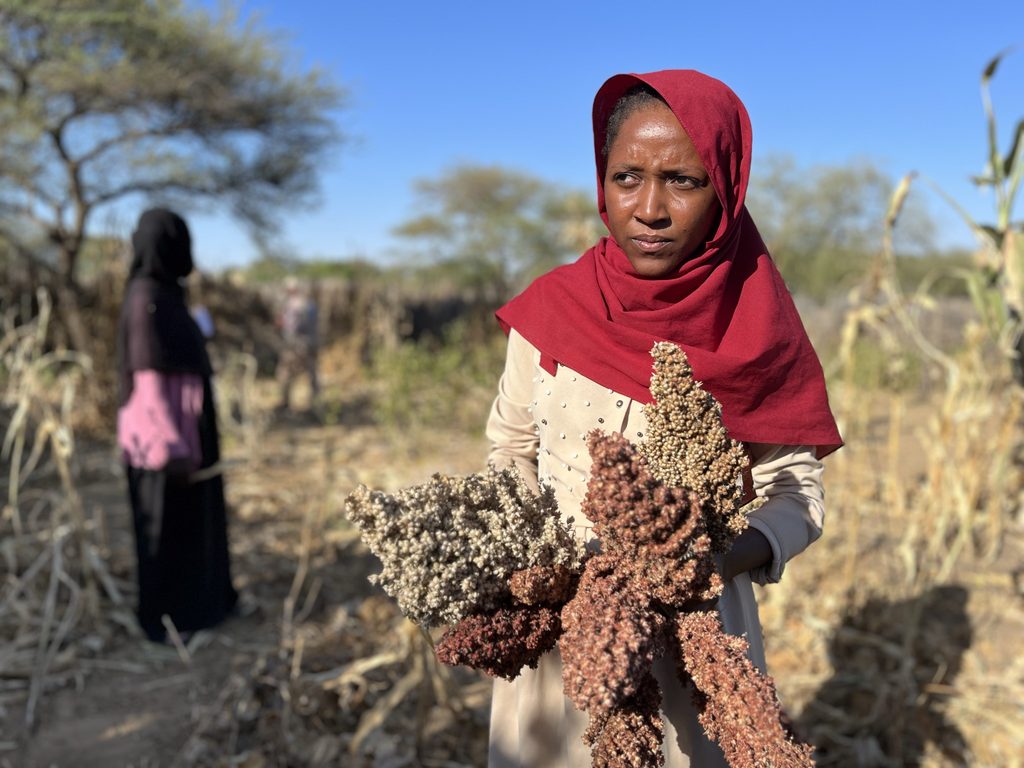
Farmers in Darfur, Kordofan, Blue Nile and other conflict-affected areas have continued cultivating crops despite insecurity, displacement and restrictions on movement.
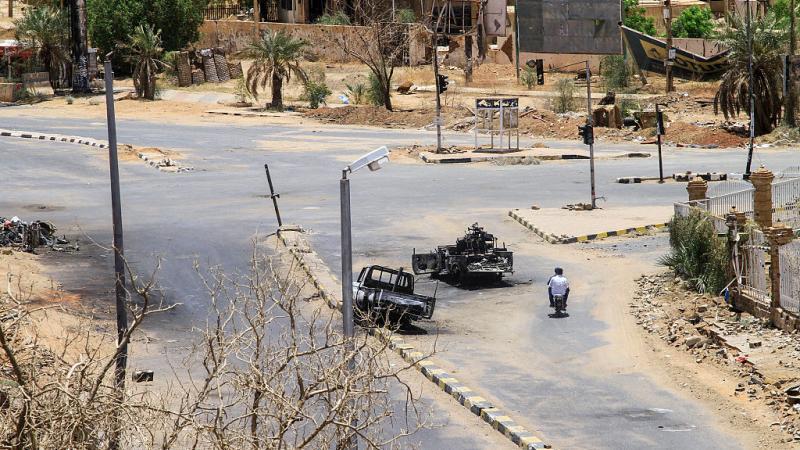
However, the organisations warned that attacks on agricultural land, markets, transport networks and essential infrastructure were threatening the ability of communities to produce and distribute food.
Poor and unpredictable rainfall has added pressure on agricultural production, while inflation and the depreciation of Sudan’s currency have increased the cost of food, fuel, transport and essential farming supplies.
The combination has left many households struggling to maintain livelihoods or purchase sufficient food, even in areas where agricultural activities remain possible.
The agencies highlighted the difficulties faced by farmers who continue working their land despite the possibility of renewed fighting.
A farmer in South Kordofan told humanitarian organisations that cultivating crops had become a choice between risking death during the conflict and facing hunger without a harvest.
In South Darfur’s Kass area, another farmer reported that repeated planting attempts had produced poor results because of insufficient rainfall, leaving her family struggling with rising food prices.
Hunger crisis extends beyond food shortages
Sudan’s food emergency has increasingly become a crisis of access, with the conflict disrupting the entire network connecting agricultural production, commercial markets and household food supplies.
An April 2026 investigation by five international humanitarian organisations documented how farmers, traders and civilians were forced to navigate active conflict zones to produce, transport or obtain essential food.
The research found that households in heavily affected areas, including North Darfur and South Kordofan, were surviving on one meal a day or less, while some families had resorted to consuming leaves or animal feed.
The organisations also documented how attacks, looting, movement restrictions and rising commercial costs had undermined local food systems, increasing dependence on humanitarian assistance.
The latest warning suggests that these vulnerabilities could intensify if the current agricultural season fails to deliver sufficient crops or if farmers are prevented from reaching markets.
Mercy Corps
+1
Humanitarian groups demand protection for farmers
The seven organisations urged Sudan’s warring parties to protect civilians, agricultural land, marketplaces, water systems and transport routes essential to maintaining food supplies.
They also called for safe access to farmland and unrestricted movement of commercial goods and humanitarian assistance.
The agencies warned that continued attacks on civilian infrastructure and disruptions to food distribution could further weaken agricultural livelihoods and expose communities to worsening hunger.
Regional and international actors were urged to make protection of the October-to-January harvest season an immediate diplomatic priority.
The organisations also appealed to international donors to maintain emergency assistance while increasing support for local agricultural production, community organisations and livelihood programmes.
Local farmers’ associations, women’s groups, traders and volunteer networks have continued supporting food production and distribution despite the collapse of services in many conflict-affected communities.
Humanitarian agencies cautioned that these efforts would not be sufficient without sustained international funding and measures to protect civilian economic activities.
Sudan faces a critical four-month period
The warning comes amid growing concern that agricultural disruption could push Sudan’s humanitarian emergency further into 2027.
The country’s prolonged war has displaced millions, devastated farming communities, interrupted trade routes and contributed to the collapse of household purchasing power.
Famine has already been confirmed in parts of Sudan during the conflict, while other areas remain vulnerable to further deterioration.
Humanitarian organisations stressed that even a successful harvest would not resolve the country’s broader food emergency, given the scale of displacement, economic damage and continuing hostilities.
However, the failure of the current season could sharply reduce food availability, destroy remaining livelihoods and increase dependence on already strained humanitarian operations.
With the main harvest period now beginning, the agencies warned that preventing further agricultural losses would be essential to limiting the scale of Sudan’s hunger crisis next year.