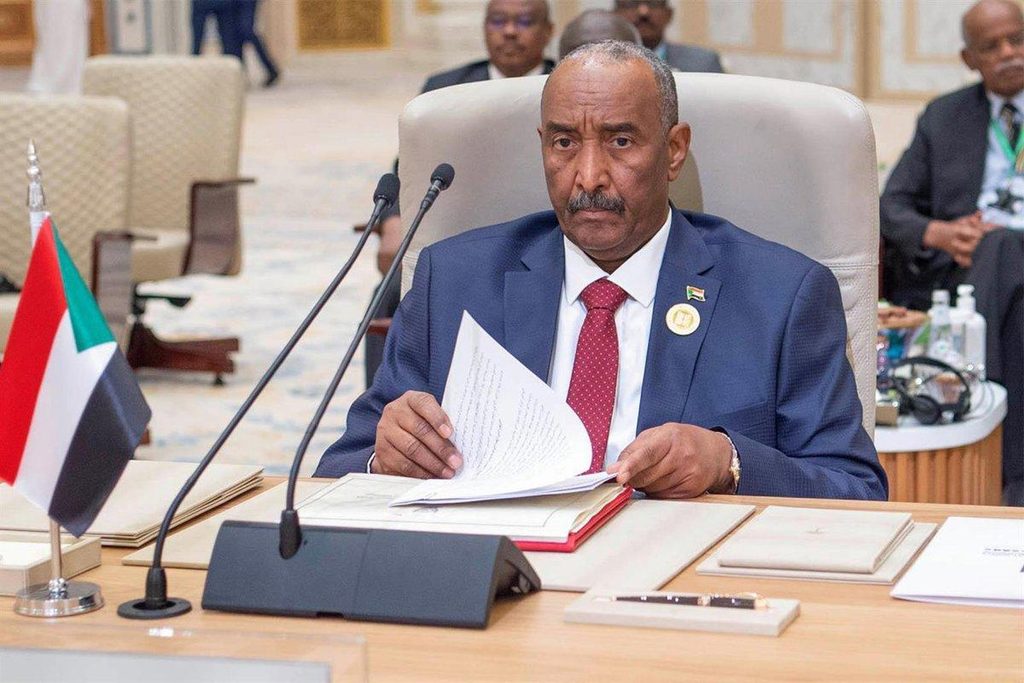
Sudanese army chief Abdel Fattah al-Burhan chaired an emergency economic meeting in Khartoum on Wednesday as the Sudanese pound continued its sharp decline against foreign currencies.
The meeting brought together Prime Minister Kamil Idris and ministers responsible for the economic sector to discuss the worsening exchange-rate crisis, according to Sudanese media reports.
Finance Minister Gibril Ibrahim said the depreciation of the national currency was being driven by growing demand for foreign currency and an import bill that continues to exceed export revenues.
He said the weakening pound was directly affecting living standards, particularly for low-income Sudanese, as the rising cost of foreign currency pushes up the prices of imported goods.
Ibrahim said exchange rates were largely being shaped by supply and demand amid sustained pressure on Sudan’s limited foreign-currency reserves.
He also linked part of the increased demand to regional developments affecting the Gulf, the Strait of Hormuz and Bab al-Mandab, saying higher oil prices as well as rising transport and insurance costs had added further pressure.
Dealers in the parallel market said the US dollar had climbed above 8,000 Sudanese pounds, with rates fluctuating sharply during the day and foreign currency increasingly scarce.
Some traders said they had temporarily suspended transactions because of the rapidly changing rates.
At Nile Bank, meanwhile, the dollar was quoted at 6,900 pounds for buying and 6,951.75 pounds for selling, highlighting the widening gap between official banking rates and prices on the parallel market.
The latest decline follows weeks of mounting pressure on the Sudanese currency. The pound had already fallen to around 7,000 to the dollar on the parallel market in early September, after the authorities created an emergency economic task force in an attempt to stabilise the exchange rate.
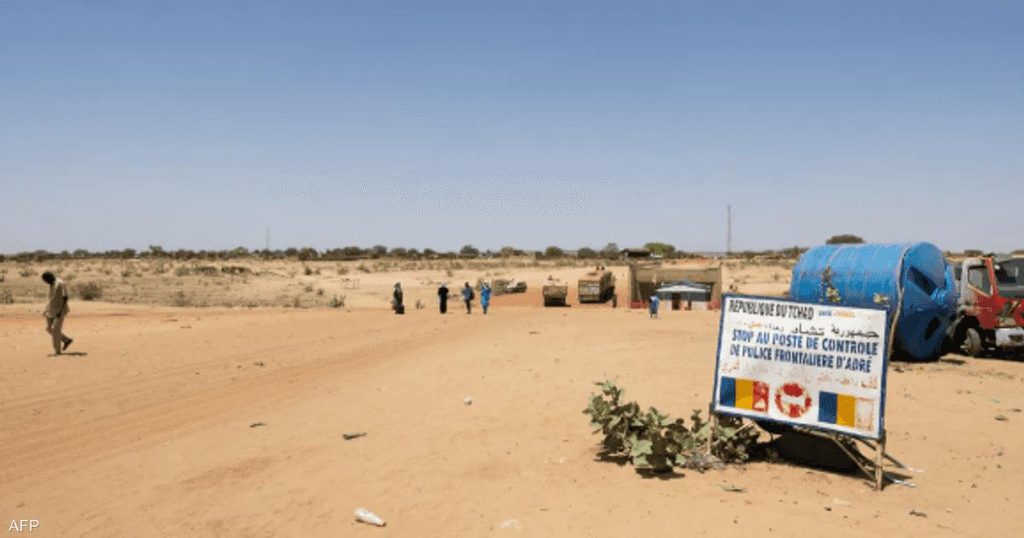
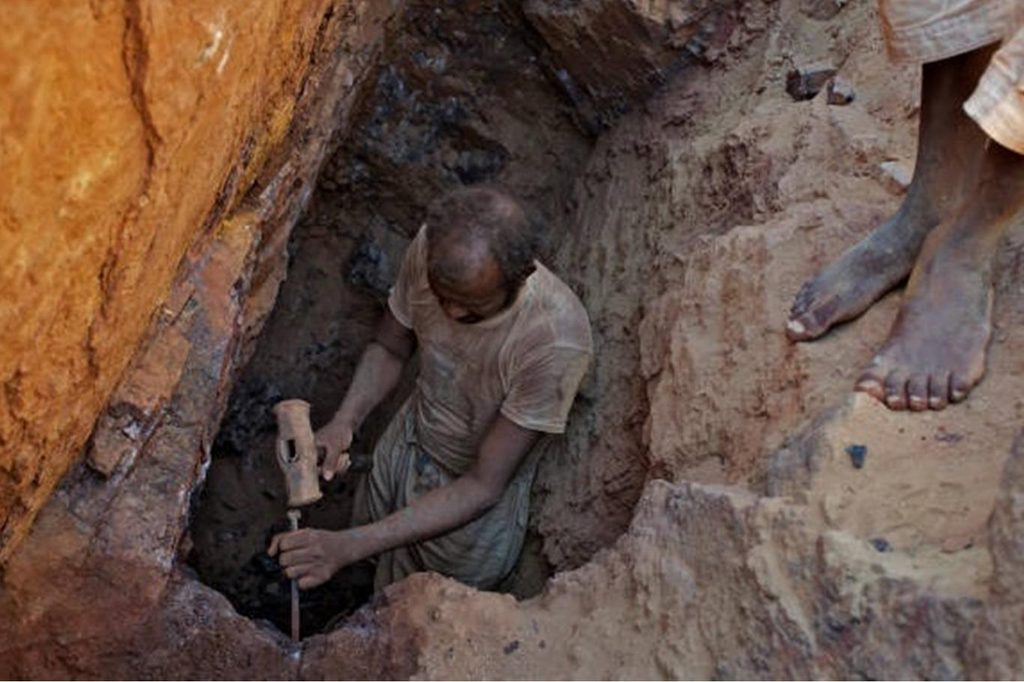
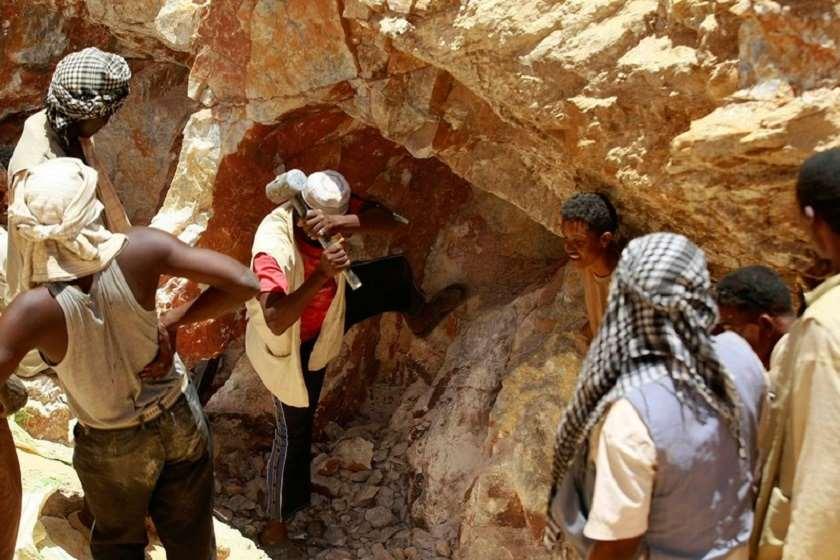
Officials have previously said measures under consideration include tighter oversight of gold exports, foreign-exchange earnings, border trade and imports, alongside efforts to increase domestic production and reduce dependence on imported goods.
The currency collapse comes as Sudan’s economy remains under severe strain from more than three years of war, which has damaged infrastructure, disrupted production and trade, and sharply reduced household purchasing power.