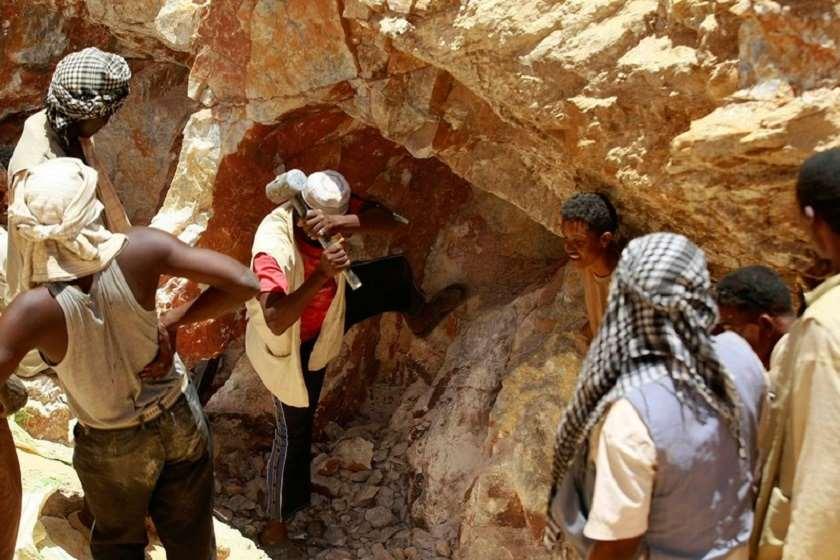
A miner survived for three days beneath the rubble of a collapsed gold mine in Sudan’s West Kordofan state and told rescuers that other workers were still alive underground, according to local Sudanese media, as appeals mounted for specialised rescue teams and heavy machinery.
The account has shifted attention from the mounting death toll at the al-Zara mine near al-Nuhud to the struggle to reach miners trapped in the sprawling network of collapsed shafts.
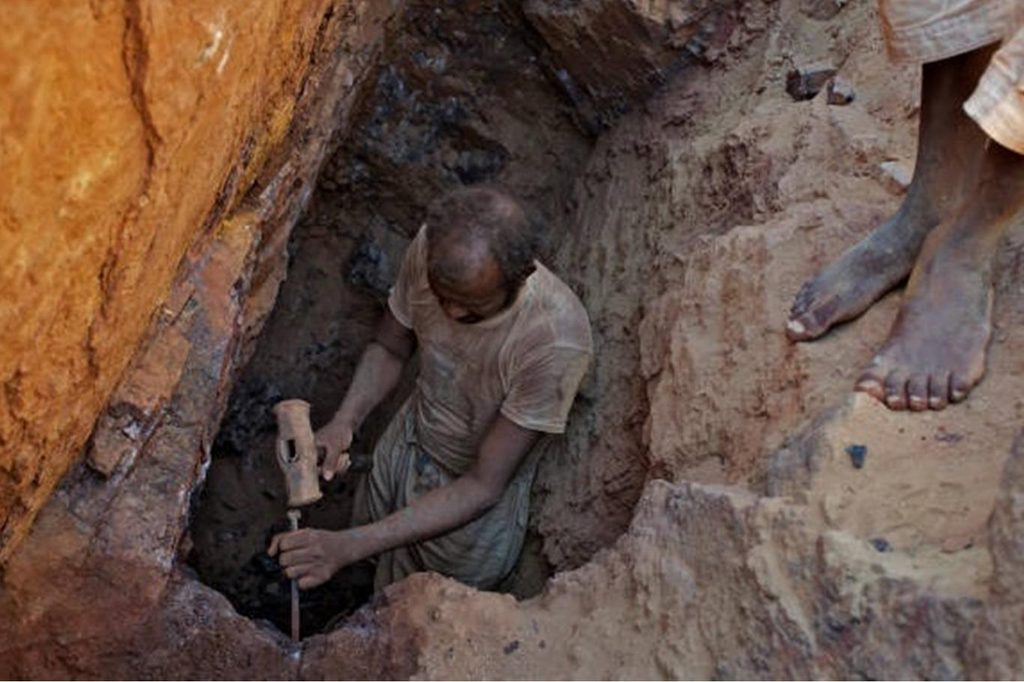
Local Sudanese media outlet Darfur24, citing eyewitnesses, said six adjoining mining shafts collapsed at the site, burying dozens of artisanal miners.
One survivor was eventually pulled from the workings after spending three days underground and told people gathered at the site that other miners remained alive beneath the debris, according to the report. He later lost consciousness and was taken to hospital.
Darfur24 said six miners were known to have survived, some suffering fractures, while the fate of others remained unclear.
Local volunteers have been attempting to reach victims with limited equipment, but the depth and size of the collapsed workings have made recovery operations extremely difficult.
One witness told the outlet that rescuers had been unable to recover most of the bodies because they lacked the machinery required to reach deep sections of the mine.
The Kordofan Observatory gave a similar account on Wednesday, saying more than 70 miners were either dead or missing after a chain of adjoining artisanal mining pits collapsed in the Fouja area of al-Nuhud locality.
The monitoring group said the interconnected mining area extends for more than a kilometre and that no specialised rescue operation had reached the site.
It warned that residents attempting to rescue trapped workers using rudimentary tools were being hampered by unstable sandy soil.
The observatory issued an urgent appeal for technical rescue teams, excavation equipment and humanitarian assistance, while calling on the Rapid Support Forces, which control the area, to facilitate access to the site.
The Sudan Doctors Network separately said at least 67 people had died and warned that the toll could rise as searches continued for miners believed to remain trapped.
The network criticised the absence of basic safety measures and rescue capabilities at artisanal mining sites and urged the authorities controlling the area to take responsibility for protecting workers and preventing unsafe mining operations.
Local sources cited by Sudan Tribune said rescuers were still relying largely on basic tools and suggested that recent rainfall may have further weakened the soil around the mine.
No public statement from the TASIS administration or the RSF specifically addressing the collapse had been located by The Sudan Times at the time of publication.
Sudan’s economic collapse during more than three years of war has pushed growing numbers of people into artisanal gold mining, where workers frequently operate in deep, unsupported shafts with little access to safety equipment or emergency services.