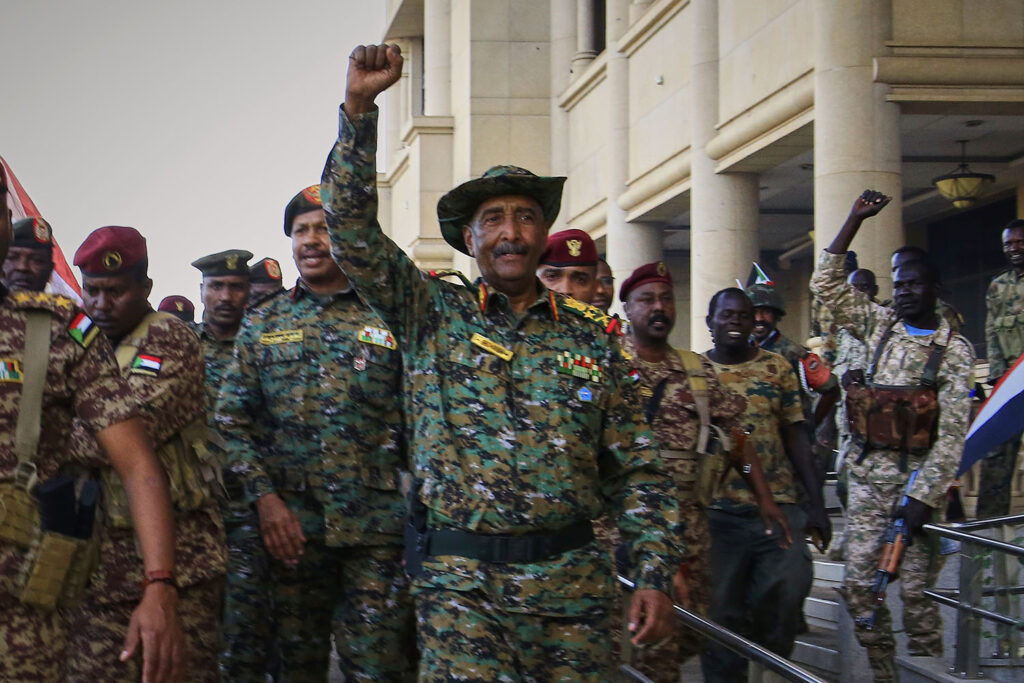
The United States has imposed a new package of sanctions on Sudan’s army-aligned authorities after accusing them of using chemical weapons during the war against the Rapid Support Forces, or RSF.
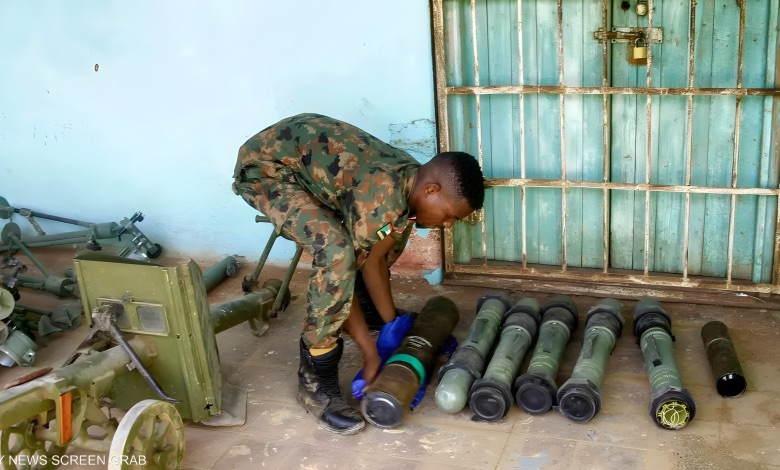
Washington has not publicly disclosed the exact type of chemical agents allegedly used, the locations of the suspected attacks or when they occurred. However, international media investigations have previously reported that explosive barrels containing chlorine gas may have been dropped on RSF-controlled territory in 2024.
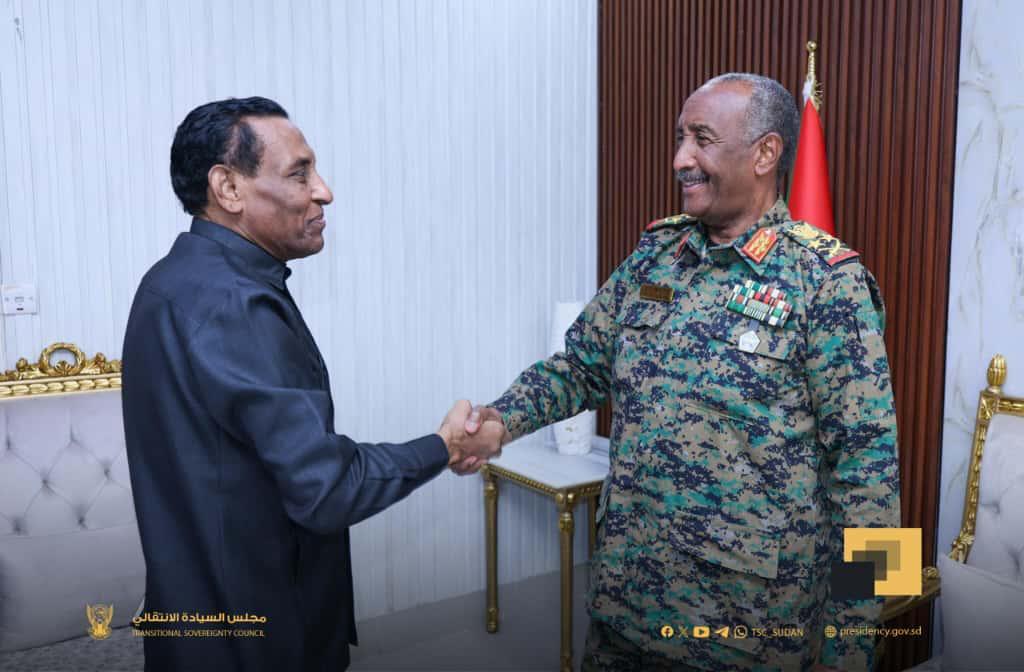
Sudan has been engulfed in war since April 2023, when fighting erupted between the Sudanese Armed Forces, led by Abdel Fattah al-Burhan, and the RSF, commanded by his former deputy Mohamed Hamdan Dagalo, widely known as Hemedti.
The conflict has generated widespread allegations of war crimes and atrocities by both sides.
In January, the United States imposed sanctions on the RSF after determining that its forces and allied militias had committed genocide in the western Darfur region.
New US sanctions
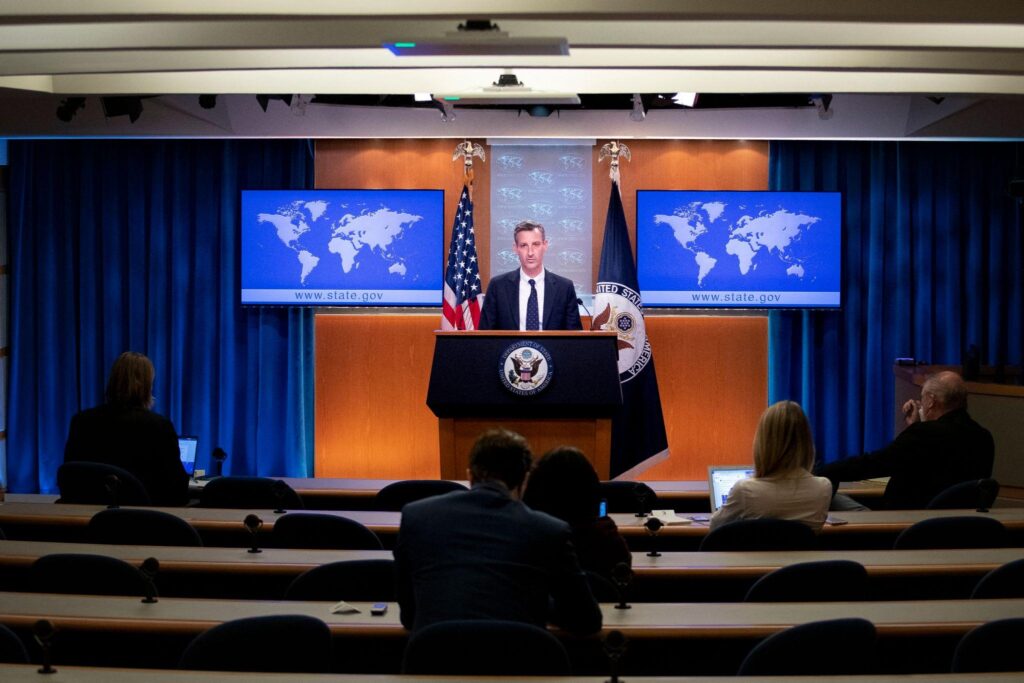
The US State Department announced the latest measures against Sudan’s army-aligned administration after concluding that the Sudanese government had used chemical weapons in 2024, in violation of the Chemical Weapons Convention.
Sudan joined the treaty in 1999.
The United States has not released evidence identifying the locations, dates or circumstances of the alleged chemical attacks.
Authorities aligned with the army rejected the accusation, describing it as baseless and politically motivated.
The sanctions, which took effect on Monday, restrict Sudan’s access to US exports, financing and technical assistance. They also require Washington to oppose certain loans and financial support for Sudan from multilateral development banks.
The measures additionally prohibit Sudanese government-owned or government-controlled airlines from operating foreign air transport services to or from the United States.
Emergency humanitarian assistance remains exempt from the restrictions.
Around 25 million people in Sudan are facing acute food insecurity as the war continues to devastate the country.
Reports of chlorine use
In January, The New York Times reported that the Sudanese army had used chemical weapons on at least two occasions in remote areas during the conflict.
Citing unnamed US officials, the newspaper said the substance appeared to be chlorine gas, which can cause severe respiratory damage and may be fatal at high concentrations.
The report also alleged that the weapons were used with Burhan’s direct approval. Sudanese military authorities have denied the accusations.
A French media investigation published in October separately alleged that Sudanese army aircraft dropped two barrels containing chlorine gas near the Al-Jaili oil refinery, north of Khartoum, in September 2024.
The refinery was under RSF control at the time.
The investigation reportedly relied on open-source material, footage circulated on social media and assessments from five experts.
The allegations have not been independently verified through an investigation by an international monitoring body.
A history of similar accusations
Sudan’s military has faced allegations of chemical weapons use during previous conflicts.
In 2016, Amnesty International accused government forces of using chemical agents during operations in Darfur. At the time, the Sudanese army was fighting alongside the RSF, which had developed from the government-backed Janjaweed militias.
Khartoum denied Amnesty’s findings.
In 1998, the United States accused Sudan’s Al-Shifa pharmaceutical factory of producing chemical components linked to al-Qaeda and destroyed the facility in a missile strike.
Washington did not later provide conclusive public evidence supporting the claim, and no independent investigation was conducted before the factory was bombed.
Decades of sanctions
Relations between Sudan and the United States have remained strained for decades, particularly during the rule of former president Omar al-Bashir, who seized power in a military-backed coup in 1989 and remained in office until he was overthrown in 2019.
The United States imposed sanctions on Sudan during the 1990s and expanded them in 2006 amid allegations that the Janjaweed had committed genocide in Darfur while operating with the support of the central government.
Following Bashir’s removal in a popular uprising, Washington removed Sudan from its list of state sponsors of terrorism and began easing some restrictions.
However, sanctions were reintroduced after the October 2021 military takeover led jointly by Burhan and Hemedti, before the two commanders turned their forces against each other in April 2023.
By January 2025, the United States had sanctioned both Burhan and Hemedti.
Civilian consequences
Sudanese civilians have historically borne much of the economic cost of international sanctions, while the country’s military and armed movement leaders have continued to generate wealth through cross-border commercial and financial networks.
Sudan is now experiencing what the United Nations has described as the world’s largest humanitarian and displacement crisis.
Aid workers estimate that more than 200,000 people may have been killed since the war began, although the absence of reliable nationwide records makes the true death toll difficult to establish.
Both the army and the RSF have been accused of widespread abuses against civilians.
Washington attempted to mediate during the early stages of the conflict and more recently pushed for a three-month humanitarian truce. Those efforts have so far failed to bring the two sides back to direct negotiations.
The United States was Sudan’s largest humanitarian donor in 2024, providing approximately 44.4 percent of the funding received under a United Nations response plan worth about $2 billion.
However, US contributions subsequently fell sharply following the Trump administration’s suspension and reduction of much of Washington’s foreign assistance.