Sudan has denied reports that it refused entry to senior Ethiopian officials, including the country’s intelligence chief, as tensions between the neighbouring countries intensify amid renewed fighting in Ethiopia.
Amjad Farid, political adviser to Sudan’s Sovereignty Council chairman Abdel Fattah al-Burhan, dismissed claims that Sudanese authorities had rejected visa requests from Ethiopian officials.
Farid said holders of Ethiopian diplomatic and official passports were exempt from obtaining visas before entering Sudan, rejecting suggestions that the government had imposed restrictions on Ethiopian delegations.
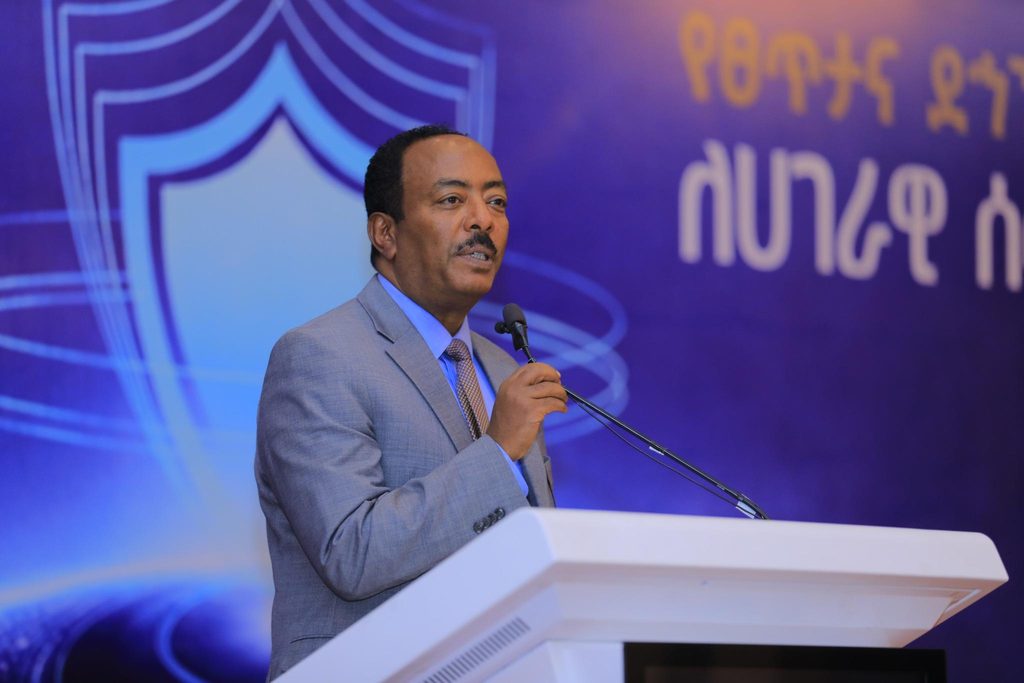
The clarification followed reports that Ethiopia’s intelligence chief, Redwan Hussein, had sought permission to visit Sudan for talks on the deteriorating security situation in Ethiopia.
Sudanese newspaper Al-Karama, citing senior diplomatic sources, reported that the Foreign Ministry had rejected Hussein’s request for an urgent visit.
However, no official confirmation of the alleged request or its rejection has been made public, and Farid’s statement directly challenged the reports.
Farid said Sudan remained open to constructive engagement with Ethiopia and supported diplomatic efforts aimed at strengthening regional stability.
He stressed that the two countries would remain neighbours regardless of their political differences, adding that external influences would eventually fade.
His remarks come amid mounting security concerns across the Horn of Africa, where renewed fighting between Ethiopian federal forces and Tigrayan fighters has raised fears of a wider regional conflict.
Ethiopia has also accused neighbouring Eritrea of financing a newly formed alliance of seven armed and opposition groups seeking to overthrow Prime Minister Abiy Ahmed’s government.
The Ethiopian Peoples’ Forces Alliance for Survival, announced on September 20, brings together organisations that previously fought on opposing sides of Ethiopia’s 2020–2022 civil war, including the Tigray People’s Liberation Front and the Amhara Fano National Movement.
Prime Minister Abiy Ahmed’s spokesperson, Billene Seyoum, said the groups had been coordinating before formally announcing their alliance and accused Eritrea of providing financial support.
Eritrea has previously denied similar allegations.
The latest developments have heightened concerns over the security of Sudan’s eastern frontier, as Ethiopia’s internal conflict increasingly intersects with political and military tensions involving neighbouring countries.