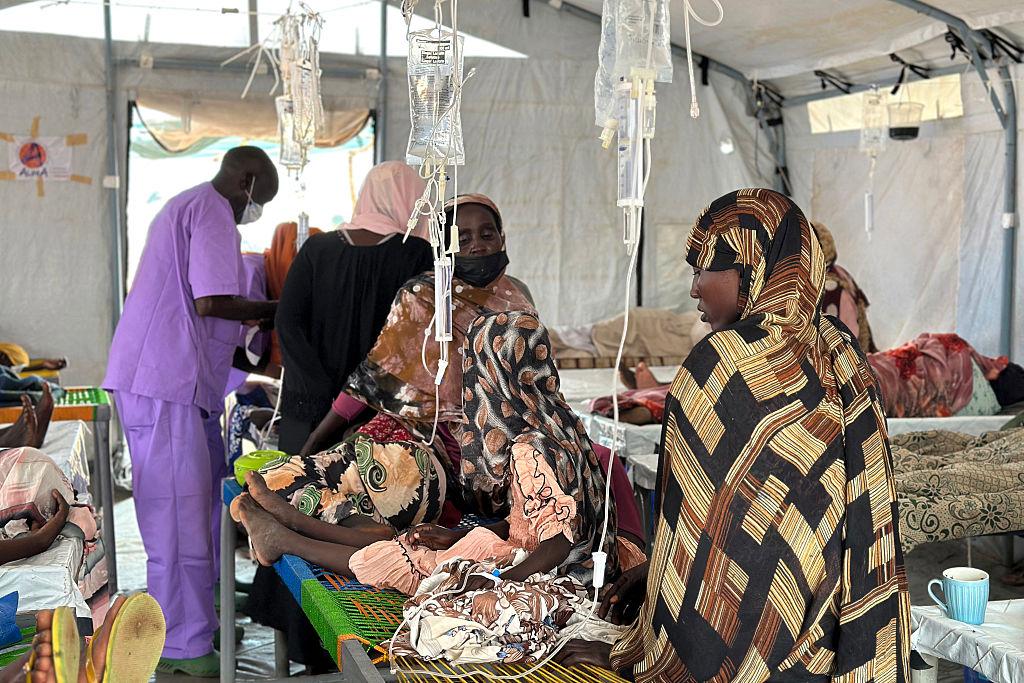
Sudan’s Health Ministry has reported suspected cholera cases in four states as the country’s public health emergency deepens amid the ongoing war.
The suspected infections were detected in North Kordofan, West Kordofan, South Darfur and Khartoum, the ministry said following a meeting of the Federal Emergency Operations Center in the capital.
Officials did not disclose the number of suspected cholera cases recorded in the affected states.
The ministry also reported 25 new suspected measles cases but said no related deaths had been recorded, indicating a decline in infections.
The latest warning comes amid growing concern over the spread of cholera across Sudan’s conflict-affected regions.
On July 10, the World Health Organization said the outbreak was expanding across Darfur and Kordofan after at least 114 deaths and more than 1,330 cases were reported. The agency warned that the true number of infections and deaths was likely to rise.
The WHO has described Sudan as the world’s largest humanitarian crisis, with more than 33 million people requiring assistance. Around 21 million people need health services, while 13.4 million have been displaced by the conflict.
Of those displaced, approximately nine million remain inside Sudan and 4.6 million have fled to neighbouring countries.
Earlier this month, the Sudan Doctors Network warned that more than 200,000 people living west of Bara in North Kordofan, including around 20,000 children, were facing catastrophic humanitarian and health conditions.
The group said cholera and measles were spreading through the area amid severe shortages of medicines, food and other essential supplies.
Fighting has intensified across North, West and South Kordofan since October, while clashes have also continued in Darfur and Blue Nile state.
Sudan has been devastated by war since April 2023, when fighting erupted between the Sudanese army and the Rapid Support Forces following disputes over plans to integrate the group into the military.
The conflict has killed tens of thousands of people, displaced millions and severely damaged hospitals, water systems and other essential infrastructure, creating conditions in which infectious diseases can spread rapidly.