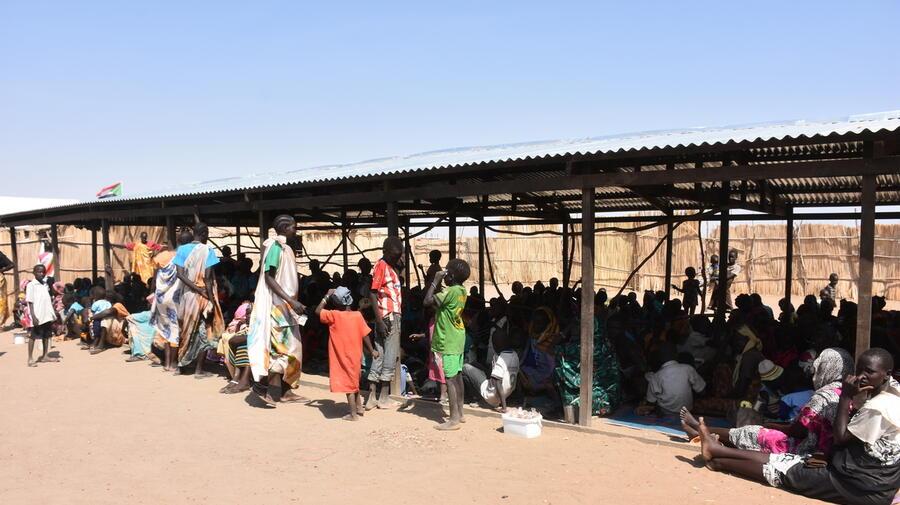
More than 324,000 people have crossed from South Sudan into Sudan over the past 18 months, including thousands of Sudanese returning home amid escalating violence and political instability in the neighbouring country, the United Nations refugee agency (UNHCR) said.
According to UNHCR figures, 324,631 people entered Sudan from South Sudan between April 2025 and October 2026, comprising 101,031 South Sudanese nationals and 223,600 Sudanese returnees.
The movements come as Sudan continues to grapple with its own devastating conflict, placing additional pressure on already overstretched humanitarian services and infrastructure.
Sudan currently hosts approximately 910,000 refugees, including nearly 689,000 South Sudanese nationals.
UNHCR attributed the latest cross-border movements to worsening insecurity and renewed fighting between armed groups in South Sudan, where violence has displaced thousands of civilians.
Clashes that intensified in February 2025 initially triggered widespread displacement in Upper Nile state before spreading into Jonglei, forcing more families to seek safety across the Sudanese border.
White Nile state received the largest proportion of newly arriving South Sudanese refugees, accounting for 52% of arrivals, followed by Blue Nile at 20%, South Kordofan at 11% and West Kordofan at 10%.
The continued influx has intensified humanitarian challenges in reception areas, particularly in White Nile, where inadequate sanitation facilities and limited access to clean water have heightened concerns about the spread of infectious diseases.
UNHCR warned that insufficient hygiene infrastructure has contributed to open defecation, increasing the risk of waterborne illnesses, including cholera.
Conditions in Blue Nile remain similarly difficult, with food shortages, inadequate shelter and limited access to essential household supplies affecting newly arrived families.
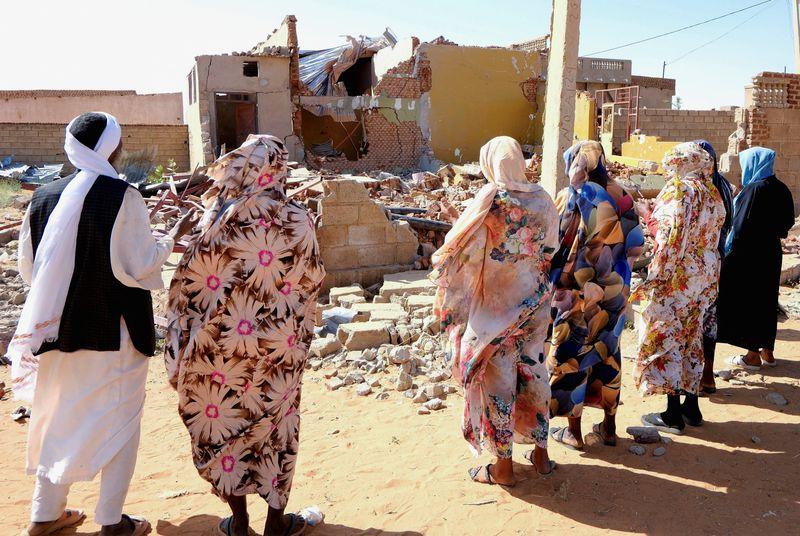
Meanwhile, Sudan is experiencing significant internal population movements as displaced residents return to areas where fighting has subsided.
An estimated 5.1 million Sudanese have returned to their places of origin, according to figures published by the International Organization for Migration (IOM) on September 21.
Many of these returns have followed territorial gains by Sudan’s military in Khartoum, Gezira, Sennar and parts of North Kordofan.
However, extensive infrastructure damage, limited employment opportunities, deteriorating public services and the continued depreciation of the Sudanese pound have complicated recovery efforts.
Humanitarian organisations have warned that returning families could face renewed displacement if essential services are not restored and living conditions fail to improve.
UNHCR said the combined arrival of South Sudanese refugees and Sudanese returnees is placing mounting pressure on host communities, underscoring the urgent need for additional humanitarian assistance, particularly food, shelter, sanitation and healthcare.