The Al Khatim Adlan Centre for Enlightenment and Human Development (KACE) has called for an urgent international investigation into allegations that Sudan’s army developed and used chlorine-based chemical weapons, following reports of new evidence detailing a clandestine military programme.
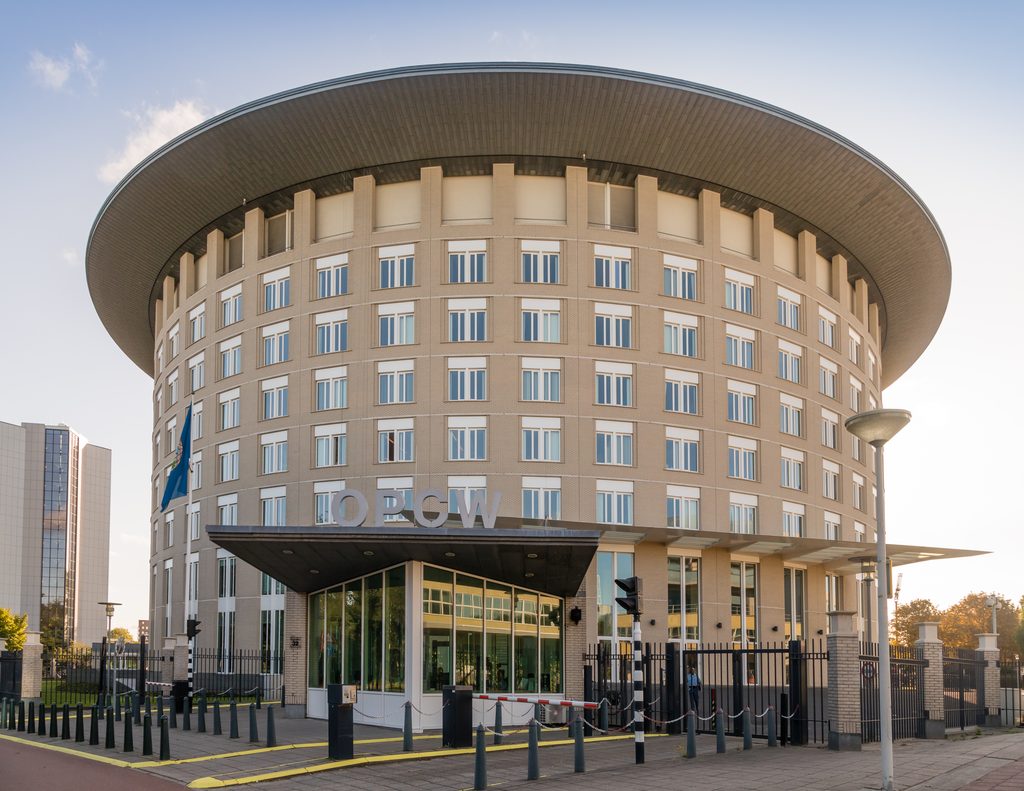
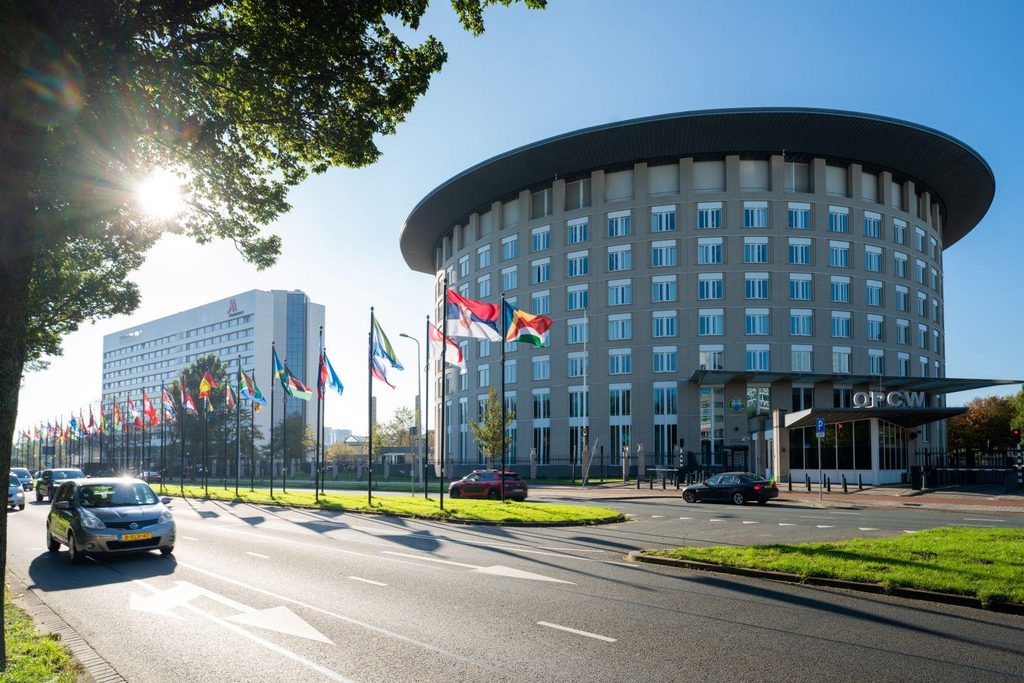
In a statement published on September 6, the rights organisation urged the Organisation for the Prohibition of Chemical Weapons (OPCW) to investigate and demanded that Sudanese authorities provide unrestricted access to suspected facilities, attack sites, witnesses and military records.
KACE cited investigations it said were published by The New York Times and The Washington Post on September 5, describing extensive new material concerning the alleged development, production and use of chemical weapons by the Sudanese Armed Forces.
According to the centre’s account, the Times reviewed photographs, videos, military documents, voice messages and intercepted communications that appeared to describe a secret programme established within the army in 2024 to manufacture chlorine-based munitions for use against the Rapid Support Forces (RSF).
The allegations include the design and testing of chemical munitions, the possible production of hundreds of weapons, their alleged deployment during military operations and subsequent attempts to conceal or remove evidence.
The army has rejected the accusations. KACE said both the allegations and the denial must undergo independent, evidence-based scrutiny.
The centre expressed particular concern over claims that chlorine intended to treat civilian drinking water had been diverted for military purposes. If substantiated, it said, the diversion would demand a thorough investigation and accountability.
KACE stressed that detailed journalism and intelligence assessments must be followed by impartial international investigations capable of establishing the facts conclusively.
The statement recalled the US government’s 2025 determination that Sudan’s government had used chemical weapons in 2024, which prompted sanctions.
It also pointed to earlier allegations in Amnesty International’s 2016 report, Scorched Earth, Poisoned Air, concerning suspected chemical weapons attacks by government forces in Darfur’s Jebel Marra region. Sudan’s government denied those accusations at the time.
The recurrence of such allegations underscored the need for a transparent investigation grounded in scientific and field evidence, the centre said.
KACE urged Sudanese authorities and the army to grant formally authorised international investigators full, safe and unhindered access to suspected production and storage facilities, alleged attack sites and relevant evidence.
It demanded the preservation of suspected weapons, production equipment, documents, medical records and environmental and biological samples, warning against their destruction, concealment, alteration or contamination.
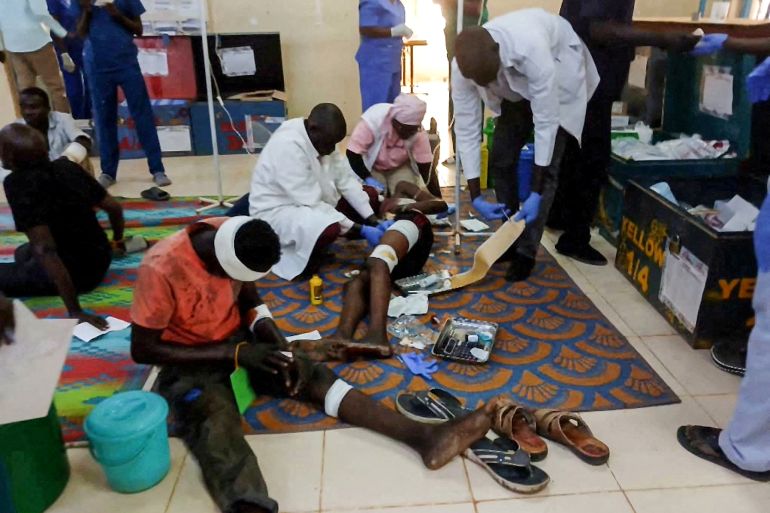
The organisation also called for medical examinations and treatment for civilians potentially exposed to toxic chemicals, independent environmental testing, and protection for survivors, witnesses and healthcare workers.
The centre stressed that the chemical weapons allegations must not eclipse other atrocities committed during Sudan’s war. It cited accusations against the RSF and allied forces, including mass killings, conflict-related sexual violence and forced displacement, and called for accountability across all sides.
Allegations against one faction must never be used to excuse or obscure crimes committed by another, KACE said.
The centre demanded credible, independent legal proceedings against anyone found responsible for developing or using chemical weapons, regardless of rank or affiliation, saying Sudanese people deserved the truth and justice for all victims.