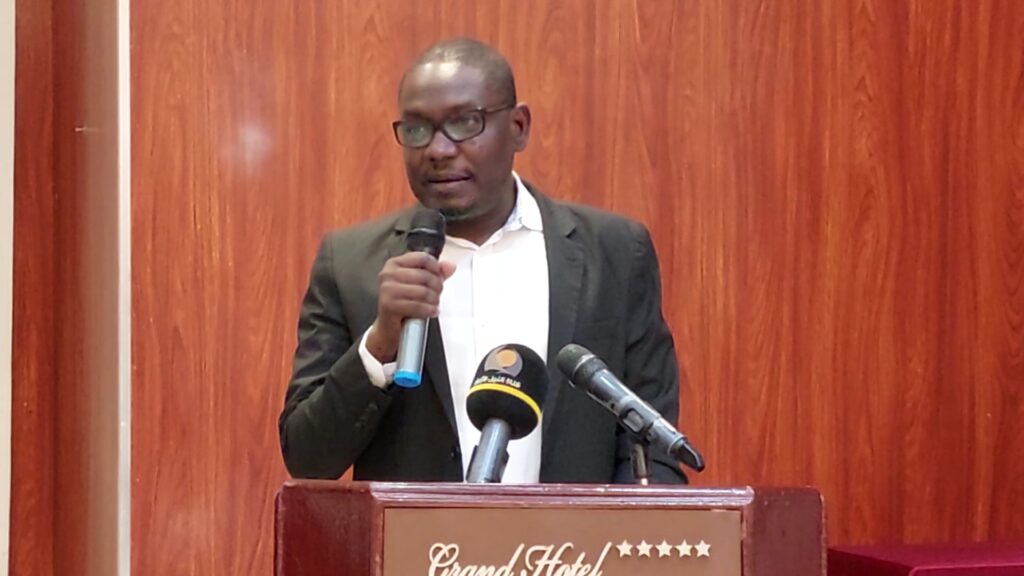
Sudanese writer and analyst Tariq Khater has called for greater attention to abuses and humanitarian suffering in areas controlled by the Sudanese Armed Forces and its allied armed groups, arguing that the country’s crisis extends far beyond cities currently facing major battles.
In a commentary focusing on Al-Dabbah in Northern State, Khater said international and media coverage often concentrates on prominent frontlines, including the anticipated battle for El Obeid, while overlooking violations and deteriorating living conditions in other parts of Sudan.
He argued that Sudan’s war has created several centres of suffering, with civilians facing different forms of military control, repression and deprivation depending on the forces operating in their areas.
According to Khater, parts of North Darfur, South Kordofan and Northern State have witnessed repeated reports of attacks on villages, property seizures, looting and the recruitment of minors.
He said such incidents have received limited international attention compared with developments in major cities, allowing armed groups to operate with reduced scrutiny.
Al-Dabbah under military control
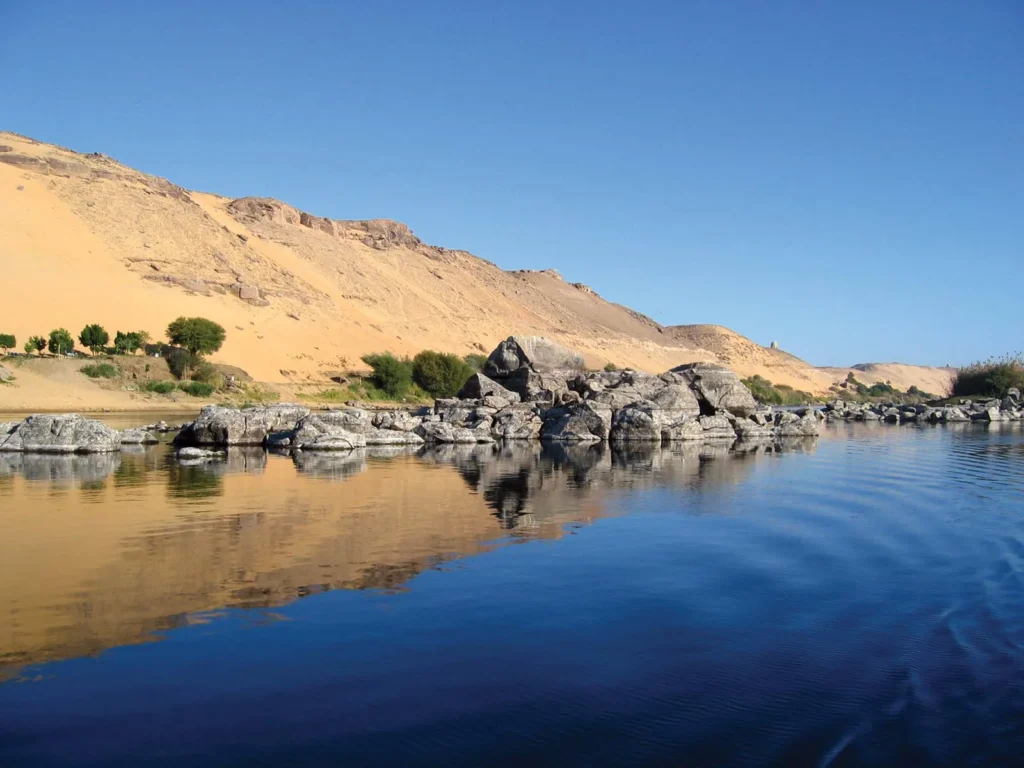
Khater described Al-Dabbah as an example of a town that has not experienced major direct fighting but where civilians continue to face the consequences of militarisation.
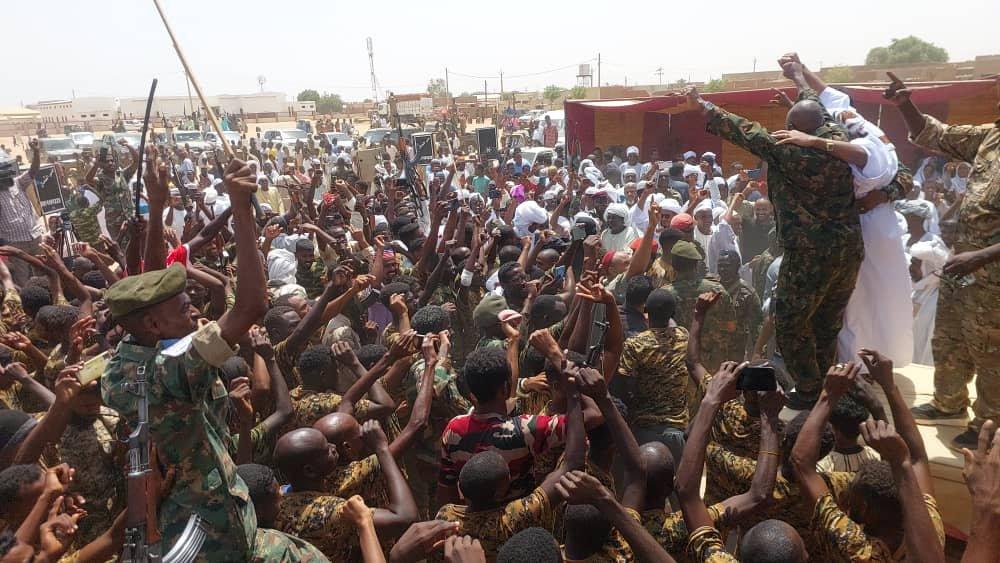
The town is controlled by the army led by Abdel Fattah al-Burhan, alongside allied Joint Forces units and Islamist armed formations.
Khater alleged that residents have faced arbitrary detention, restrictions on movement, property confiscation, interference in local government and the collection of unauthorised fees.
He argued that the absence of an active frontline makes such violations especially significant, because they cannot be justified as emergency measures taken during direct combat.
Instead, he said, military and allied armed groups have extended their control into the daily lives of civilians.
Khater described the situation as one in which official state authority, military power and the influence of ideologically aligned armed groups increasingly overlap.
This environment, he argued, leaves civilians vulnerable to arrest, intimidation and extortion, with few institutions capable of challenging decisions imposed by local commanders.
Collapse of essential services
The commentary also highlighted the deterioration of basic services in army-controlled areas.
Khater said electricity supplies are frequently interrupted, drinking water is scarce, medical services are under severe pressure and fuel is increasingly difficult to obtain.
Schools have also remained closed or are operating under extremely limited conditions in several affected areas.
He argued that civilians are therefore experiencing several simultaneous forms of conflict: the direct consequences of the national war, the collapse of services and the expanding authority of armed groups.
Although Al-Dabbah has not become a major battlefield, residents remain trapped in what Khater described as an undeclared war affecting their security, livelihoods and access to essential services.
Political plans from Port Sudan
Khater also criticised political plans reportedly being developed by the Port Sudan authorities.
He referred to leaked documents and reports suggesting that Burhan is seeking to strengthen centralised rule, establish a technocratic government and introduce a political roadmap that could lead to elections after a five-year transitional period.
The proposed process is reportedly receiving support from regional countries, including Egypt and Saudi Arabia.
Khater argued that such plans are being developed without adequately addressing an immediate ceasefire, humanitarian access or the evacuation of civilians trapped in conflict zones.
He said the authorities appear to be discussing Sudan’s political future while millions of civilians remain displaced, exposed to violence or deprived of basic services.
In his assessment, communities living under army control are facing not only military and economic pressure, but also exclusion from decisions concerning the country’s future.
A broader humanitarian narrative
Khater said international organisations, journalists and policymakers should avoid treating Sudan’s humanitarian crisis as a collection of isolated battles.
He argued that the conflict should instead be understood as a combination of urban warfare, abuses in peripheral regions, repression within military-controlled areas and political projects being pursued without meaningful civilian participation.
Focusing exclusively on cities currently experiencing major clashes, he said, risks creating an incomplete account of the war and marginalising communities whose suffering attracts less attention.
Khater concluded that Sudan’s crisis is present wherever armed actors impose their authority over unprotected civilians, whether those actors belong to the regular army, allied forces or ideologically driven armed groups.
He called for greater media and humanitarian attention to neglected regions, warning that civilians should not be reduced to statistics or footnotes in a war whose political and military decisions are being made without their involvement.