Around 31,000 Sudanese nationals sought asylum in European countries between March 2025 and August 2026, as the continuing war, worsening humanitarian conditions and widespread violence forced more people to flee their homeland, according to new European Union figures.
The European Union Agency for Asylum (EUAA) said on Wednesday that Sudan had become the fifth-largest source of asylum applicants in the EU and associated countries in 2026, with Greece and France accounting for more than three-quarters of Sudanese applications during the reporting period.
euaa.europa.eu
Applications have risen steadily since fighting erupted between Sudan’s military and the Rapid Support Forces (RSF) in April 2023, with a particularly sharp increase recorded in 2025.
During the first eight months of 2026, approximately 15,000 Sudanese nationals applied for asylum, an increase of nearly two-thirds compared with the same period last year.
European asylum authorities issued around 20,000 initial decisions on Sudanese applications between March 2025 and August 2026, granting international protection in approximately 66 percent of cases.
Greece processed about 8,000 applications and France another 7,900, while more than 11,000 Sudanese cases remained awaiting an initial decision by early August.
The figures come as Sudan’s conflict continues to fuel displacement, economic collapse and severe shortages of food, medicine and essential services.
In accompanying assessments of the country’s security and humanitarian situation, the EUAA documented widespread abuses against civilians, including sexual violence, forced displacement and attacks on civilian infrastructure.
The agency reported that the number of people at risk of sexual and gender-based violence increased by 350 percent between 2023 and mid-2025.
The EUAA assessments highlighted the failure of successive international diplomatic initiatives to secure a durable ceasefire, citing disagreements among external powers, competing political interests and the Sudanese military’s resistance to negotiations with the RSF on equal terms.
Sudan’s economic and humanitarian conditions have deteriorated dramatically since the war began.
According to figures cited in the reports, approximately 70 percent of Sudan’s population was living in poverty by April 2026, while an estimated 29 million people required humanitarian food assistance as of February.
Around 19.5 million people faced acute food insecurity during 2025–2026, with famine confirmed or threatening several areas.
An estimated 17 million people also lacked access to safe drinking water, exposing communities to increased risks of disease outbreaks and malnutrition.
Humanitarian organisations continue to face major obstacles to delivering assistance, including insecurity, attacks on aid operations, damaged infrastructure, bureaucratic restrictions and funding shortages.
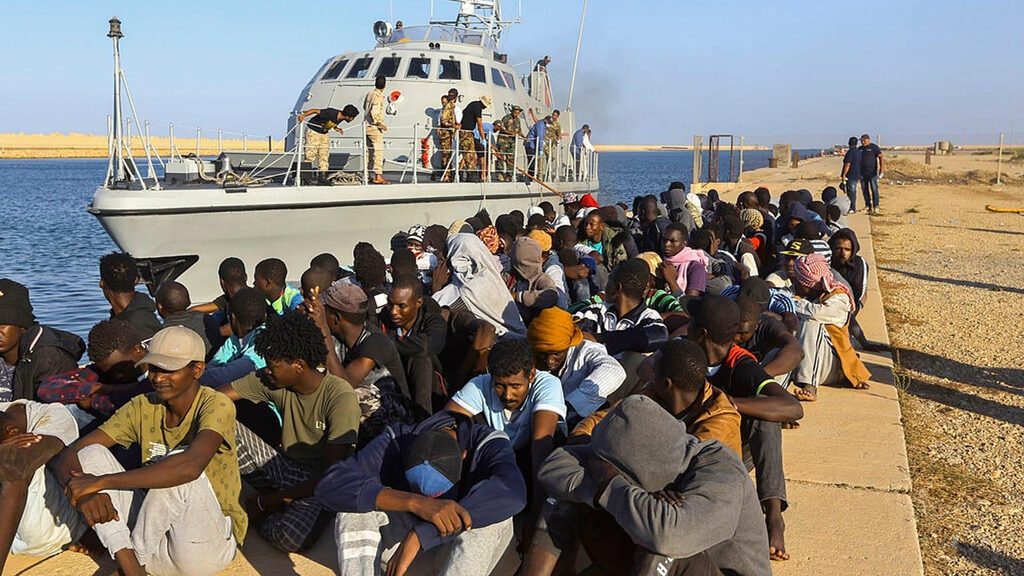
The worsening conditions have pushed Sudanese families to seek safety in neighbouring countries and, in some cases, undertake dangerous journeys through North Africa and across the Mediterranean to reach Europe.
The latest asylum figures underscore the growing international consequences of Sudan’s war, which has continued despite repeated diplomatic efforts to halt the fighting.